“Breathe Easy at Home: Do Houseplants Really Outperform Air Purifiers?”
Indoor plants have long been celebrated for their aesthetic appeal and mood-lifting qualities, but in recent years, many homeowners have also begun to embrace their potential for improving indoor air quality. Meanwhile, air purifiers have become increasingly popular, marketed as high-tech solutions for cleaner air. With both options available, many North American gardeners may wonder: which is more effective for enhancing the air we breathe? Let’s dive into the comparisons of houseplants and air purifiers to determine what really works.
The Case for Houseplants
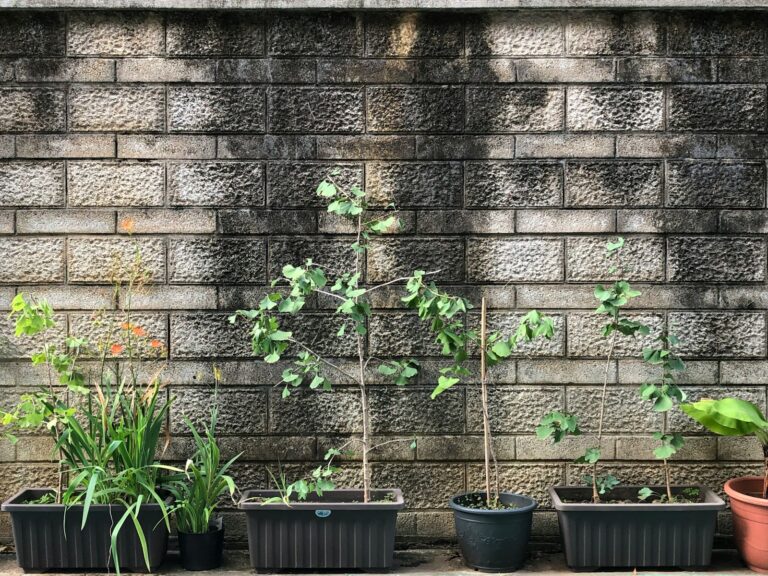
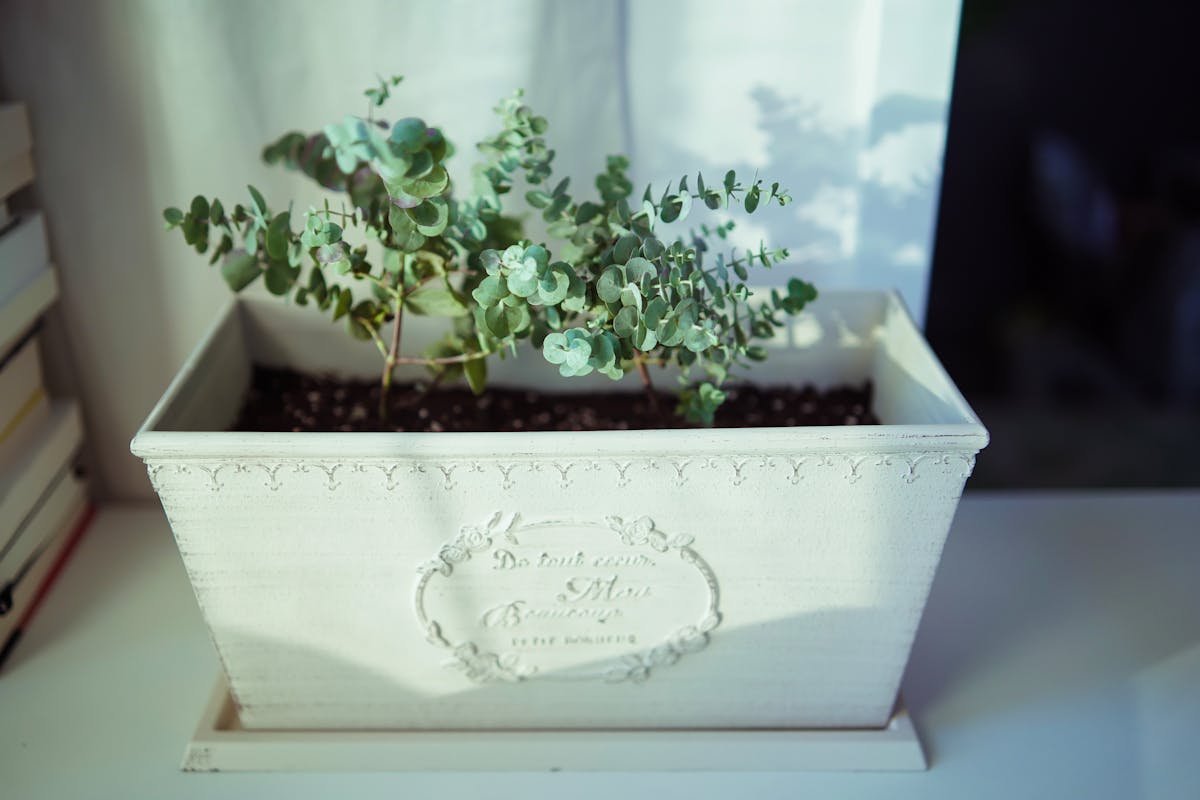
Houseplants have been touted for their ability to filter indoor air. According to studies conducted by NASA and other researchers, certain plants can absorb volatile organic compounds (VOCs) – pollutants commonly found in household products, paints, and furniture. Some popular air-purifying plants include:
Spider Plant (Chlorophytum comosum)
Peace Lily (Spathiphyllum)
Snake Plant (Sansevieria trifasciata)
Boston Fern (Nephrolepis exaltata)
These plants can help reduce indoor air pollution while also providing humidity and creating a more pleasant atmosphere. Additionally, caring for plants can reduce stress and promote a sense of well-being, which is an important element of creating a healthy living space.
However, it’s essential to note that the air-cleaning abilities of houseplants are somewhat limited. While they can remove certain toxins from the air, one or two plants in a room will not drastically change overall air quality. Research indicates that you would need a considerable number of plants per square foot to see significant improvements. Thus, while they contribute positively to air quality, houseplants should not be solely relied upon.
The Power of Air Purifiers
Conversely, air purifiers are engineered to actively remove contaminants from the air. They utilize a variety of technologies, including HEPA filters, activated carbon filters, and UV light, to capture and neutralize particles like dust, pollen, pet dander, and smoke. HEPA filters, in particular, are highly effective at trapping particles as small as 0.3 microns, making them a reliable choice for improving air quality.
Air purifiers come in various sizes and capacities, making it easy to find one that suits your specific space. While they are generally more expensive than a few houseplants, many models come with smart features that allow you to monitor air quality in real-time and adjust settings accordingly.
However, it is crucial to select the right type of air purifier for your needs. Not all models are created equal; some may be better suited for larger spaces, while others may be designed for specific allergens. It’s also essential to keep up with regular maintenance, such as changing filters, to ensure optimal performance.
A Balanced Approach
Given the strengths and limitations of both houseplants and air purifiers, a balanced approach may be the most effective way to improve indoor air quality. By combining the aesthetic and psychological benefits of plants with the technological efficiency of air purifiers, you can create a healthier home environment.
Here are a few practical tips for achieving this balance:
1. Choose a Variety of Plants: If you opt for houseplants, select a variety of species known for their air-purifying qualities. Aim for at least one plant per 100 square feet of space to maximize their impact.
2. Invest in a Quality Air Purifier: Look for an air purifier with a HEPA filter and a clean air delivery rate (CADR) appropriate for your room size. Ensure it is suitable for the specific pollutants you want to manage.
3. Maintain Both: Regularly care for your plants by watering, pruning, and repotting as necessary. For air purifiers, follow the manufacturer’s guidelines for filter changes and maintenance.
4. Monitor Humidity Levels: Houseplants can increase humidity levels, which can be beneficial in dry climates. However, too much humidity can lead to mold growth. Use a hygrometer to monitor indoor humidity and adjust your plant care accordingly.
5. Consider Indoor Air Circulation: Air circulation is essential for both plants and air purifiers to function effectively. Make sure your home is well-ventilated to allow fresh air to circulate and help both your plants and purifier do their jobs.
6. Be Mindful of Allergens: If you have allergies, consider your plant choices carefully. Some plants can trigger allergies or may not be suitable for homes with pets. Research pet-safe plants and consult local resources if you have concerns.
In sum, while houseplants can contribute to a healthier indoor atmosphere and improve your mental well-being, air purifiers offer a more effective solution for actively removing harmful particles from the air. By combining both strategies, you can create a vibrant living space that promotes good air quality and enhances your overall quality of life. Whether you’re a seasoned gardener or just starting, there’s a place for both plants and purifiers in your home. Happy gardening!