Breathe New Life into Your Fiddle Leaf Fig: Essential Tips for Thriving Growth

Reviving a fiddle leaf fig (Ficus lyrata) can feel like a daunting task, especially when you see those once-lush leaves turning brown or dropping off. However, with a little understanding and some care, you can rejuvenate your plant and enjoy its striking beauty for years to come. Here’s a comprehensive guide on how to revive a fiddle leaf fig and keep it thriving.
Understanding the Fiddle Leaf Fig
Before diving into revival techniques, it’s essential to understand your fiddle leaf fig’s basic needs. This tropical plant loves bright, indirect light, consistent moisture, and a warm environment. Native to the rainforests of West Africa, it thrives in USDA hardiness zones 10-12, but it can also be grown indoors in cooler climates.
Common Problems and Symptoms
Recognizing symptoms of distress is the first step in reviving your fiddle leaf fig. Here are a few common issues:
1. Brown Spots: This may indicate overwatering or poor drainage.
2. Leaf Drop: A response to sudden changes in environment or improper watering.
3. Yellowing Leaves: Often a sign of overwatering or insufficient light.
4. Stunted Growth: Could be due to low light levels or nutrient deficiency.
Assessing Your Plant’s Environment
The first step in reviving your fiddle leaf fig is to assess its environment. Here are some factors to consider:
Light: Fiddle leaf figs require bright, indirect sunlight. If your plant is not getting enough light, consider relocating it near a window with filtered light. Avoid direct sunlight, as it can scorch the leaves.
Watering: The key to healthy fiddle leaf figs is establishing a proper watering routine. Allow the top inch of soil to dry out before watering again. Overwatering is one of the most common issues, so ensure your pot has drainage holes and avoid letting it sit in standing water.
Humidity: Fiddle leaf figs thrive in a humid environment, ideally around 30-65% humidity. If your home is dry, especially during winter months, consider using a humidifier or placing a tray of water near the plant to increase humidity levels.
Temperature: These plants prefer temperatures between 60-75°F during the day and slightly cooler at night. Ensure your fiddle leaf fig is not exposed to cold drafts or sudden temperature changes.
Reviving Techniques
Once you’ve assessed the environment, it’s time to take action. Here are practical steps to revive your fiddle leaf fig:
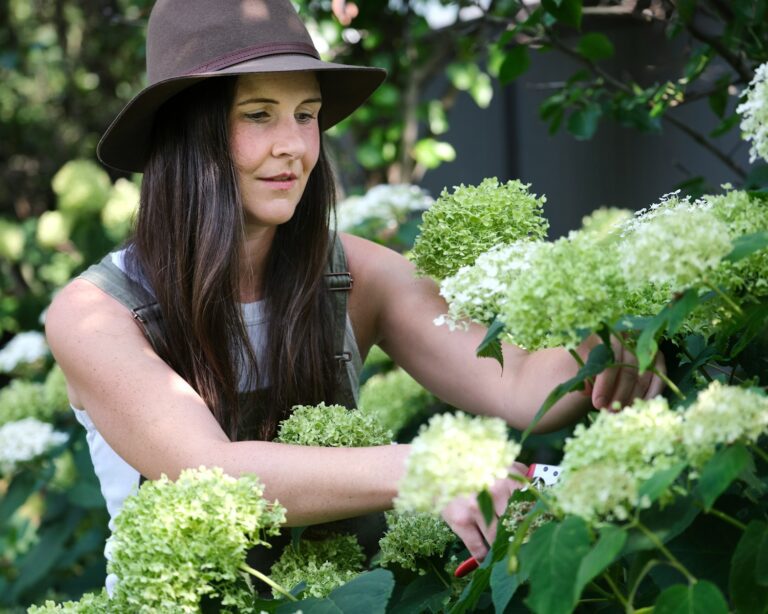
1. Pruning: Start by trimming any dead or damaged leaves. Use clean, sharp scissors to avoid introducing any diseases. This not only improves the plant’s appearance but also encourages new growth.
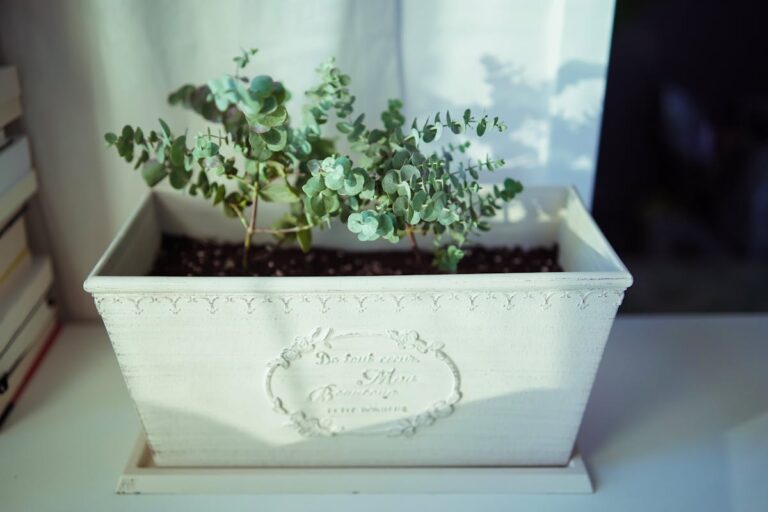
2. Repotting: If your fiddle leaf fig has outgrown its pot or the soil appears compacted, consider repotting it. Choose a pot that is 1-2 inches larger in diameter and use a well-draining potting mix. Repotting in spring is ideal as it coincides with the plant’s active growing season.
3. Fertilizing: During the growing season (spring and summer), feed your fiddle leaf fig with a balanced, water-soluble fertilizer every 4-6 weeks. This will provide essential nutrients and promote healthy growth. Avoid fertilizing in fall and winter when the plant is dormant.
4. Leaf Care: Dust can accumulate on the large leaves, blocking sunlight and affecting photosynthesis. Gently wipe the leaves with a damp cloth or give the plant a lukewarm shower to keep them clean.
5. Monitoring for Pests: Keep an eye out for common pests like spider mites, mealybugs, and scale. If you notice any, treat the plant with insecticidal soap or neem oil, following the instructions on the product label.
Patience is Key
Reviving a fiddle leaf fig won’t happen overnight. It can take weeks or even months for your plant to bounce back. During this time, be patient and continue to monitor its progress. Look for signs of new growth, as this is a positive indicator that your revival efforts are working.
Common Mistakes to Avoid
1. Overwatering: This is the most frequent mistake made by fiddle leaf fig owners. Always check the soil moisture before watering and err on the side of caution.
2. Ignoring Light Needs: Ensure your plant is getting the right amount of light. If it’s not thriving, consider adjusting its position.
3. Neglecting Humidity: Don’t forget that these plants love humidity. If your home is dry, take steps to increase the moisture in the air.
4. Sudden Changes: Avoid making drastic changes to your plant’s environment, like moving it from low to high light suddenly. This can shock the plant and lead to leaf drop.
5. Lack of Routine Care: Regular care is vital. Make a schedule for watering, fertilizing, and cleaning the leaves to keep your fiddle leaf fig healthy.
In Summary
Reviving a fiddle leaf fig may require a bit of effort and patience, but the rewards are worth it. By understanding its needs and making necessary adjustments, you can transform a struggling plant into a thriving centerpiece in your home. Remember to monitor your plant regularly and make adjustments as needed, and you’ll soon enjoy a healthy, vibrant fiddle leaf fig that will bring life to your indoor space for many years to come.