Brighten Your Living Space: 8 Charming Flowering Indoor Plants Perfect for Every Home
If you’re looking to liven up your living room with vibrant colors and delightful scents, flowering indoor plants are an excellent choice. Not only do they enhance your decor, but they also purify the air and create a welcoming atmosphere. Whether you’re a beginner or an intermediate gardener, this guide will introduce you to eight small flowering plants that are easy to care for and perfect for your indoor space.
1. African Violet (Saintpaulia)
African violets are beloved for their stunning blooms and compact size. They produce clusters of purple, pink, or white flowers year-round, adding a splash of color to any corner. These plants thrive in bright, indirect sunlight and prefer to be kept consistently moist but not soggy. Keep in mind that their leaves are sensitive to water, so it’s best to water them from the bottom or use room temperature water. African violets do well in USDA zones 10-11 but are commonly grown indoors across all regions.
2. Peace Lily (Spathiphyllum)
The peace lily is not only beautiful but also one of the easiest flowering plants to care for. Its glossy green leaves and elegant white flowers can brighten even the darkest corners of your living room. Peace lilies prefer low to medium light and thrive in humid environments. Water them when the top inch of soil feels dry, and be cautious not to overwater, as this can lead to root rot. This plant is also known for its air-purifying properties, making it a fantastic addition to any home.
3. Poinsettia (Euphorbia pulcherrima)
Poinsettias are synonymous with the holiday season, but they can also be enjoyed year-round. Available in various colors, including red, pink, and white, these plants are relatively easy to care for. They prefer bright, indirect light and should be watered when the soil feels dry to the touch. While they thrive indoors, they can also be placed outside in USDA zones 9-11 after the last frost. Just be cautious during the summer months, as they can be sensitive to extreme heat.
4. Miniature Rose (Rosa spp.)
For those who love classic blooms, miniature roses are a charming option for indoor gardening. These small plants feature adorable flowers in shades of red, pink, yellow, and white. They require plenty of sunlight, ideally six hours a day, and should be watered when the top inch of soil is dry. Miniature roses thrive in well-draining soil and can be fertilized every few weeks during the growing season. They can be grown indoors year-round but may also be moved outdoors in warmer months.
5. Kalanchoe (Kalanchoe blossfeldiana)
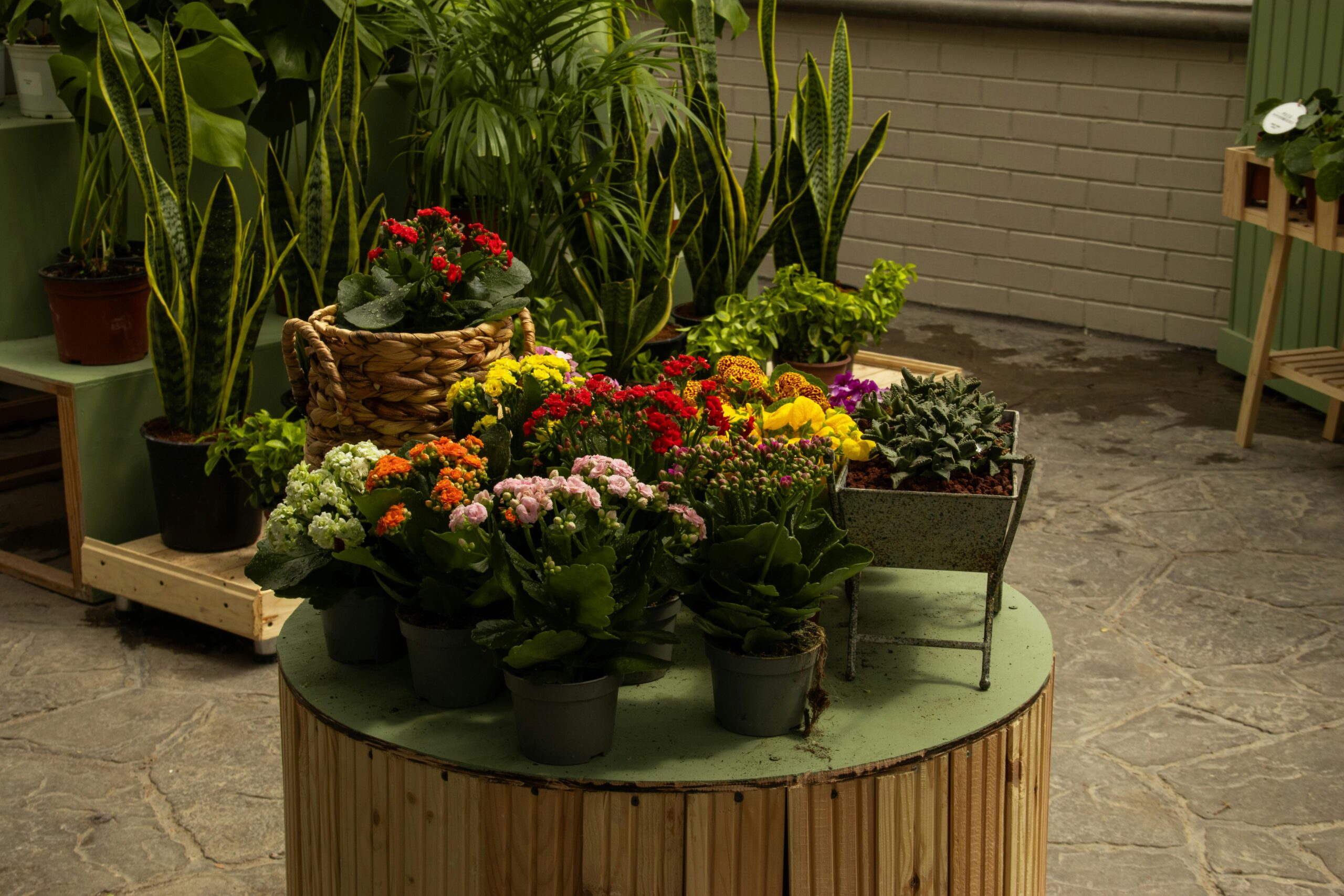
Kalanchoe is a succulent that produces clusters of small, vibrant flowers, making it a great choice for indoor gardeners. These hardy plants prefer bright light and can tolerate periods of drought, making them ideal for beginners. Water only when the soil is completely dry, and avoid letting it sit in water. Kalanchoe can be grown indoors in all USDA zones but is especially popular in warmer areas.
6. Bromeliad (Bromeliaceae)
Bromeliads are exotic-looking plants that can add a tropical flair to your living room. Their unique flower spikes and rosettes come in various colors and shapes. These plants thrive in bright, indirect light and require high humidity, so consider misting them regularly or placing them in a bathroom or kitchen. Water bromeliads by filling the central cup of the plant with water, as they prefer to absorb moisture through their leaves. They do well in USDA zones 9-11.
7. Christmas Cactus (Schlumbergera)
The Christmas cactus is a unique flowering plant that blooms during the holiday season, producing stunning pink, red, or white flowers. Unlike other cacti, it prefers indirect sunlight and thrives in cooler temperatures. Water it when the top inch of soil is dry, and reduce watering during the winter months when it’s not actively growing. This plant is suitable for indoor growth in all USDA zones and can be enjoyed for many years with proper care.
8. Cyclamen (Cyclamen persicum)
Cyclamen are charming little plants that produce beautiful flowers in shades of pink, red, and white. They prefer cooler temperatures and bright, indirect light, making them ideal for indoor growing in the fall and winter months. Water cyclamen when the soil feels dry, but be cautious not to let water sit in the crown of the plant, as this can lead to rot. Cyclamen thrive in USDA zones 9-11 and can be a delightful addition to your indoor garden.
Tips for Success
When introducing flowering indoor plants to your living space, consider the following tips for optimal growth:
Light Requirements: Ensure each plant receives the appropriate amount of light, as this is crucial for flowering and overall health.
Watering Wisely: Overwatering is a common mistake among indoor gardeners. Always check the soil moisture before watering, and use pots with drainage holes to prevent water from accumulating.
Humidity and Temperature: Many flowering plants prefer higher humidity levels. Consider using a humidifier or placing a tray of water near your plants to create a more favorable environment.
Fertilization: During the growing season, regular fertilization can help promote blooming. Use a balanced, water-soluble fertilizer, following the package instructions.
By incorporating these eight flowering indoor plants into your living room, you can create a vibrant, inviting space filled with color and life. Happy gardening!