Bring the Desert Indoors: A Guide to Growing Bold Succulents This Winter

As the chilly winter months settle in across North America, many gardeners find themselves longing for the warmth and vibrancy of summer blooms. While outdoor gardening may come to a halt, you can still cultivate a lush, colorful indoor garden with big, bold succulents. These resilient plants not only add a touch of the desert’s beauty to your home but are also relatively easy to care for, making them perfect for both beginner and intermediate gardeners. Here’s how to bring the warmth of the desert indoors this winter.
Understanding Succulents
Succulents are a diverse group of plants known for their thick, fleshy parts that store water. This adaptation allows them to thrive in arid environments, making them perfect for indoor gardening where they often face dry air and limited humidity. They come in various shapes, colors, and sizes, adding visual interest and personality to your indoor spaces.
Choosing Your Succulents
When selecting succulents, consider varieties that are visually striking and suited for indoor conditions. Some popular choices include:
Echeveria: Known for their rosette shapes and vibrant colors, Echeverias can add a pop of color to your space. They require bright light and well-draining soil.
Aloe Vera: Not only is Aloe easy to care for, but its succulent leaves have a multitude of uses, from skincare to culinary applications. Aloe prefers indirect sunlight.
Jade Plant (Crassula ovata): This classic succulent is known for its tree-like appearance and thick, glossy leaves. Jade plants thrive in bright light and are believed to bring good luck.
Hens and Chicks (Sempervivum): These hardy succulents produce rosettes that can be very decorative, and they are also tolerant of all kinds of indoor conditions.
Sedum: With over 400 varieties, Sedum offers a range of colors and textures. They are low-maintenance and can tolerate lower light levels.
Light Requirements
Most succulents thrive on bright, indirect sunlight. A south-facing window is ideal for many varieties. If natural light is limited, consider using grow lights to supplement their light needs. Position your plants close to the light source, but avoid placing them in direct sunlight for long periods, as this can scorch their leaves.
Watering Wisely
One of the most common mistakes with succulents is overwatering. These plants prefer to dry out between waterings. Here are some tips for watering your indoor succulents effectively:
Check Soil Moisture: Before watering, stick your finger about an inch into the soil. If it feels dry, it’s time to water. If it’s still moist, wait a few more days.
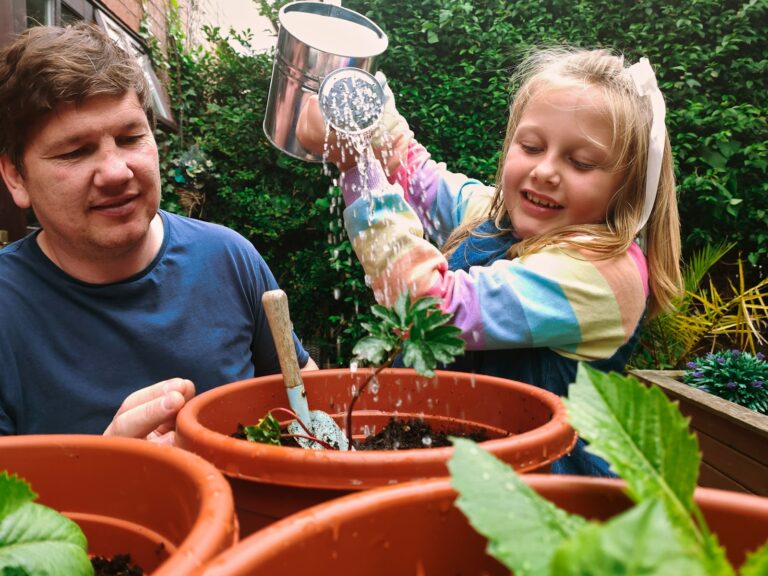
Water Thoroughly: When you do water, soak the soil until water drains out of the bottom of the pot. Ensure that excess water can escape; sitting water can lead to root rot.
Frequency: In winter, succulents typically need less frequent watering due to lower light levels and cooler temperatures. Aim to water every two to three weeks, adjusting as necessary based on your indoor climate.
Soil and Potting
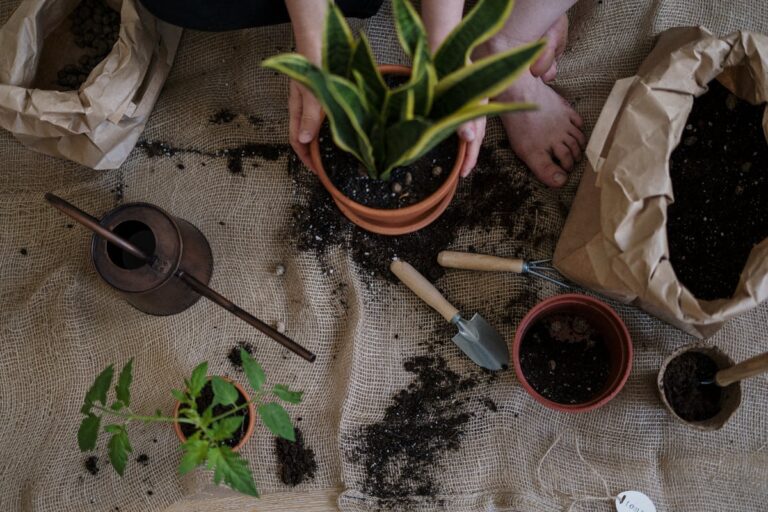
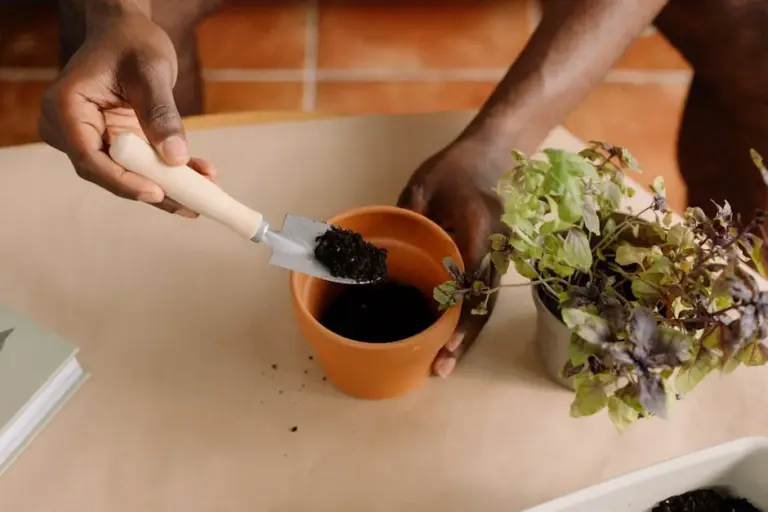
Selecting the right soil and pot is crucial for the health of your succulents. Use a well-draining potting mix specifically designed for cacti and succulents. Avoid regular potting soil, which retains too much moisture.
Pot Selection: Choose pots with drainage holes to prevent water from accumulating at the bottom. Terra cotta pots are a great choice as they allow for airflow and can help wick away excess moisture.
Repotting: If your succulents outgrow their pots, repot them in a slightly larger container with fresh soil. This is typically necessary every couple of years.
Temperature and Humidity
Most succulents prefer temperatures between 60°F and 80°F (15°C to 27°C). They can tolerate slightly cooler temperatures at night but should be kept away from drafts and extreme cold. Indoor humidity levels are generally lower in winter, which is favorable for succulents. However, avoid placing them near heating vents, as this can dry them out too quickly.
Pest Management
While succulents are relatively pest-resistant, they can still fall victim to pests like mealybugs and aphids. Regularly inspect your plants for any signs of infestation.
Treatment: If you notice pests, isolate the affected plant and treat it with a gentle insecticidal soap or neem oil. Ensure the plant is well-ventilated and allow it to dry out completely between treatments.
Creating a Display
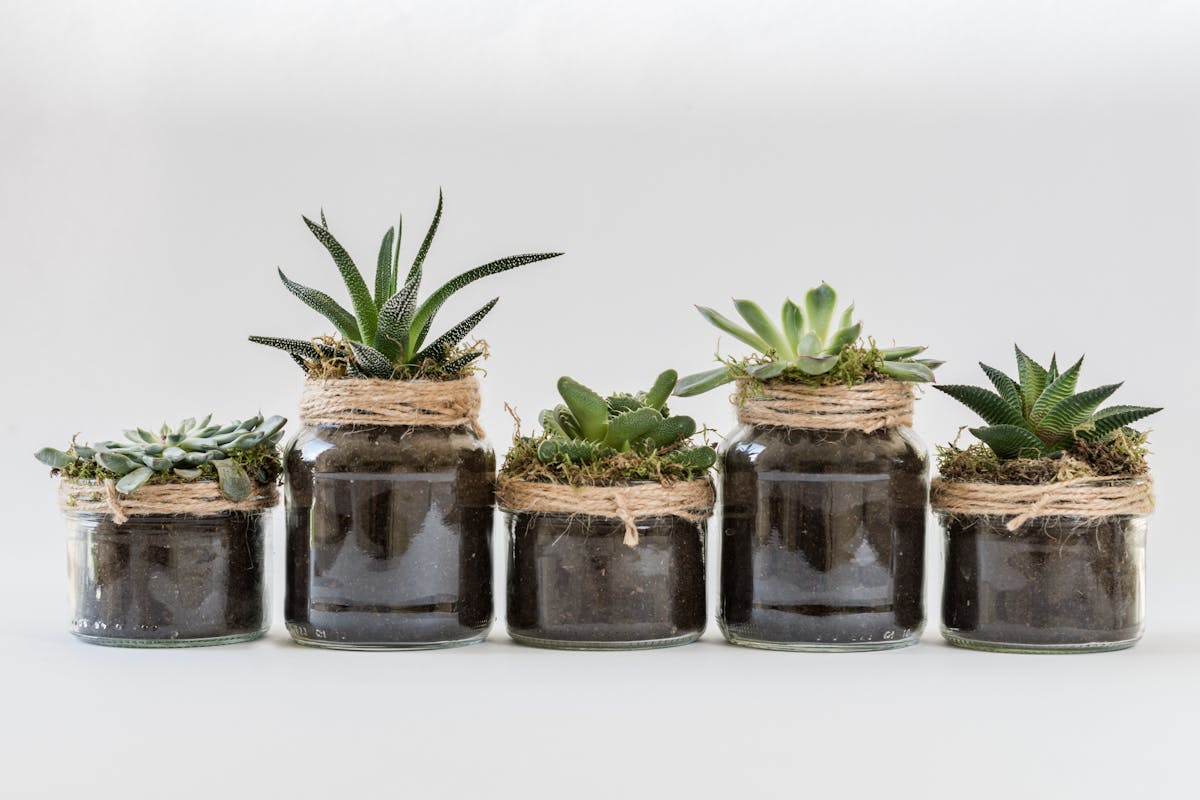
Arranging your succulents in a visually appealing way can enhance your indoor space. Consider grouping different varieties together for a striking display. You might also want to create a terrarium, which can be a fun project and a unique way to showcase your plants.
Terrarium Tips: Use a glass container that allows for good airflow. Layer the bottom with pebbles for drainage, followed by a layer of activated charcoal to keep the environment fresh, and finish with your potting mix. Add your succulents and decorate with stones or figurines for a personalized touch.
Conclusion
Bringing bold succulents indoors this winter can transform your home into a vibrant oasis reminiscent of the warm desert. With minimal care and attention, these hardy plants can thrive even in the coldest months, brightening your space and lifting your spirits. So gather your supplies, choose your favorites, and let your indoor garden flourish!