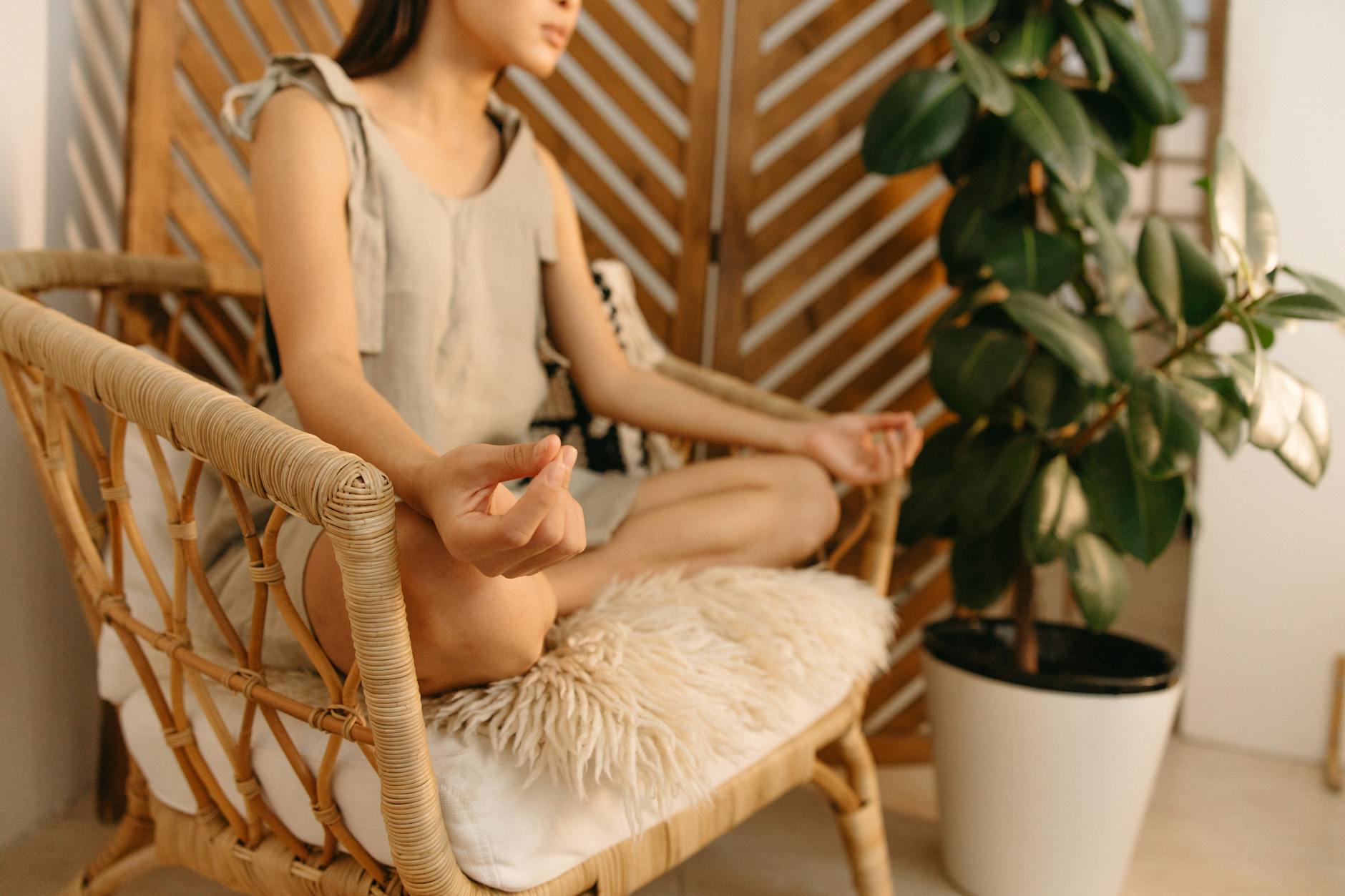
Bring the Outdoors In: How Houseplants Can Boost Your Mental Health

Houseplants have grown from mere decorative items to essential companions in our homes, especially for those seeking a little extra comfort and peace in their lives. As more people find themselves working from home or spending extended periods indoors, the role of these green friends in enhancing mental well-being has garnered attention. Let’s explore how houseplants can uplift your mood, reduce stress, and contribute to a healthier living environment.
The Power of Greenery
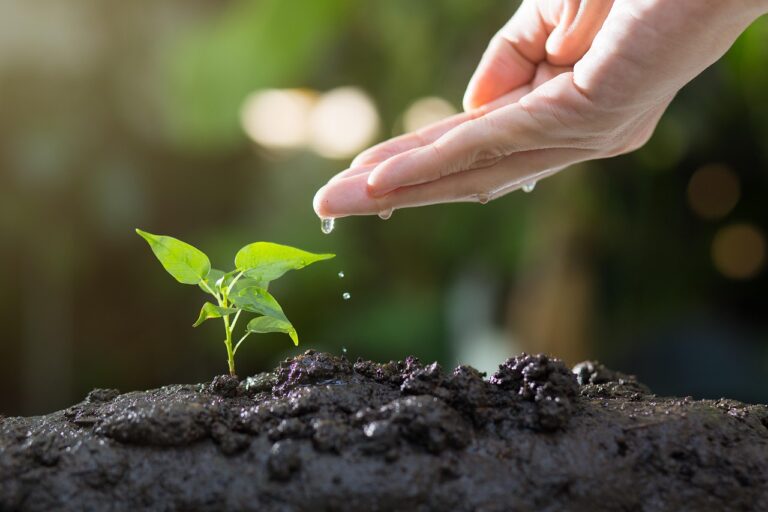
Studies suggest that simply being around plants can positively affect our mental health. The presence of greenery has been linked to decreased anxiety and stress levels. For many, caring for houseplants becomes a meditative practice—offering a sense of purpose and routine. The act of watering, pruning, and nurturing can ground you, especially in times of uncertainty.
Moreover, plants can improve air quality, creating a more pleasant indoor atmosphere. Cleaner air may help alleviate feelings of lethargy and enhance overall well-being, making your living space feel more inviting and refreshing.
Creating Your Indoor Oasis
Transforming your home into a green sanctuary is easier than you might think. Here are some tips to get started:
1. Choose the Right Plants: Not all houseplants are created equal when it comes to benefits. Some popular options known for their air-purifying qualities include:
Spider Plant: Hardy and resilient, it thrives in indirect light and can tolerate a range of conditions.
Snake Plant: A low-maintenance option, it releases oxygen at night, making it ideal for bedrooms.
Peace Lily: Known for its beautiful blooms and air-cleaning abilities, it prefers low light and needs minimal care.
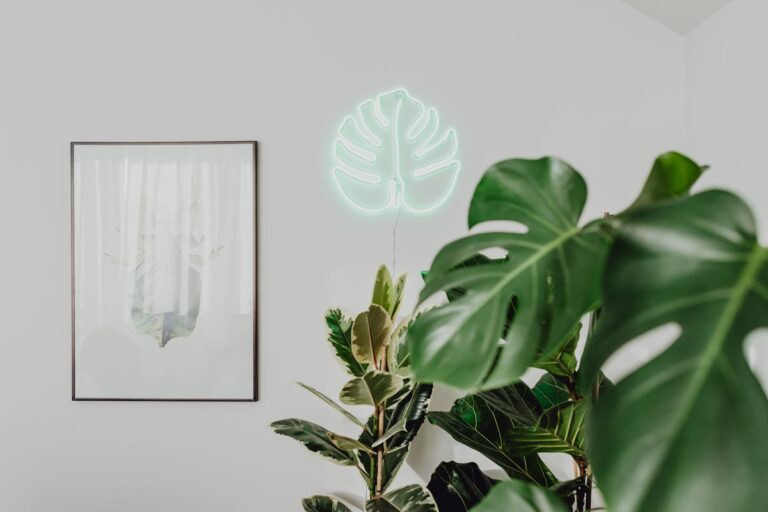
2. Placement Matters: Where you place your plants can affect both their growth and your mood. Positioning plants in areas where you spend the most time—like your home office or living room—can create a calming atmosphere. Consider arranging smaller plants on windowsills or shelves, while larger plants can fill empty corners and bring life to your space.
3. Create a Care Routine: Caring for your plants can be therapeutic. Set aside time each week to check in on your greenery. This can be a moment of mindfulness—observing growth, checking for pests, and providing necessary care. Incorporating this routine into your life can foster a sense of accomplishment and connection to nature.
4. Mix and Match: Incorporate a variety of plants with different shapes, sizes, and colors to create visual interest. Grouping plants together can also enhance their aesthetic appeal and promote a mini-ecosystem, where humidity levels can benefit all plants involved.
5. Engage Your Senses: Houseplants can engage your senses beyond just sight. Consider adding plants with fragrant leaves, such as mint or basil, which can invigorate your space and enhance your mood. Aromatherapy from certain plants can also contribute to a sense of well-being.
The Therapeutic Benefits of Gardening
If you’re ready to deepen your connection with plants, consider starting a small herb or vegetable garden indoors. Gardening can be immensely rewarding and has been shown to reduce stress and improve mood. Even small spaces can accommodate pots of basil, cilantro, or peppers.
Here are some tips for indoor gardening:
Choose Containers Wisely: Ensure that your pots have drainage holes to prevent root rot. Consider using self-watering pots for herbs that require consistent moisture.
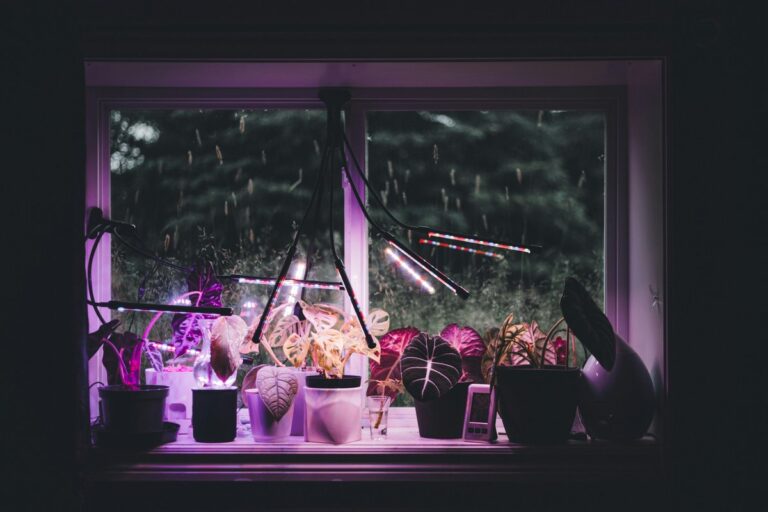
Utilize Grow Lights: If natural light is limited in your home, grow lights can provide the necessary illumination for your plants to thrive. This can be particularly useful in winter months when days are shorter.
Start Small: Begin with a few easy-to-grow herbs and expand as you become more comfortable with the process. Remember that gardening is a journey, and not every plant will thrive initially!
The Connection to Nature
In our fast-paced, technology-driven lives, reconnecting with nature can be vital for our mental health. Houseplants offer a tangible way to bring the outdoors inside, creating a sense of harmony and tranquility in our homes. The simple act of nurturing these living beings can help us step back from the stresses of daily life.
In addition to their mental health benefits, houseplants can spark creativity. Many people find inspiration from caring for their plants and experimenting with different arrangements and decorations. This creative outlet can be particularly beneficial for those who may feel stuck in their routines.
Common Mistakes to Avoid
While houseplants can be incredibly rewarding, they come with their own set of challenges. Here are some common pitfalls to avoid:
Overwatering: This is one of the most prevalent issues among new plant owners. Always check the soil’s dryness before watering. The top inch of soil should be dry before you add more water.
Ignoring Light Requirements: Different plants have varying light needs. Make sure to research your plant’s requirements and position them accordingly. A plant that prefers bright, indirect light will struggle in a dim corner.
Neglecting Pests: Indoor plants can attract pests, so regular inspections are crucial. If you notice any pests, act quickly to remove them before they spread.
By bringing houseplants into your life, you’re not just adding greenery to your home; you’re also welcoming a source of joy, comfort, and improved mental health. Whether you’re a seasoned gardener or just starting out, the benefits of nurturing plants can enhance your overall well-being and create a more vibrant living space. So, roll up your sleeves, pick your favorites, and let the healing power of houseplants flourish in your home!