Tropical Plants, Ferns and Basil Should Come Indoors Before Temperatures Drop, and Clemson’s Samantha Brown Says to Check Leaf Undersides, Stems and Soil for Pests First
Pests often arrive on plants that spent the summer outdoors, according to Clemson’s houseplant insect factsheet, and the end of the growing season is when those plants get carried back inside. Samantha Brown, who writes the Upstate section of Clemson Extension’s November 2026 garden calendar, published Nov. 6, said to bring sensitive plants indoors before the temperature drops. Tropical plants, ferns and herbs such as basil can be damaged when left outside, she said.
Brown’s rule for the move is to inspect first. The calendar says to check the underside of leaves, the stems and the soil, and to treat any problem outdoors so it does not follow the plant into the house.
Ferns Have a 50-Degree Line
Clemson’s porch fern guide, written by agent Ginger Elizabeth Long, puts a number on the timing: move ferns inside before nighttime temperatures fall below 50 degrees Fahrenheit. It suggests shaking each fern to remove loose fronds and leaflets, and watering thoroughly a few days ahead so the pot can drain before it is carried in.
Ferns that will not stay in the house have another option. The guide says a garage, basement, greenhouse or shed works if the temperature stays at or above 40 degrees. Boston and Kimberly Queen ferns can be cut down to 3 inches before storage, and the soil should be checked through winter and watered when it feels dry.
North Carolina State Extension’s entry on the Boston fern adds that the plant is native to tropical and subtropical America and is listed for USDA zones 10a through 13b, so in places like North Carolina it is usually a houseplant. It does best in bright, indirect light and around 60 to 70 degrees indoors, and it needs high humidity, which the entry suggests meeting with a spot near a kitchen or bathroom or a tray of wet pebbles.
Where Pests Hide on a Summer Porch Plant
The reason for Brown’s inspection step is spelled out in Clemson’s houseplant insect factsheet. It says pests often arrive on new plants or on plants that spent the summer outdoors, and it recommends removing the root ball from the pot of an outdoor plant to inspect the soil, since pests often hide along the outside of it. Pill bugs, millipedes, slugs and ants are common in root balls of outdoor plants, the factsheet says, and pots should drain and dry before coming inside.
For the leaves, the factsheet suggests weekly inspection focused on the undersides, with a 10X magnifying lens for tiny pests and immature stages. It describes what to look for: aphids cause yellowed, misshapen leaves and sticky honeydew, mealybugs are cottony, waxy insects in leaf axils and under leaves, and spider mites leave speckled, faded leaves and fine webbing. Scales sit still on stems and leaves, and whiteflies flutter up when a plant is disturbed.
The Boston fern entry from North Carolina State names scales and spider mites as the main fern problems, especially when the air is too dry. It also offers one reassurance: the dark brown or black dots on the undersides of the fronds are spores, not pests or disease.
Treating the Problem Outside First
Brown’s instruction to treat pests outdoors lines up with the factsheet’s chemical-control advice. Few pesticides are labeled for indoor use, it says, so plants should be treated outdoors in mild, shaded conditions and brought in once dry. It also recommends identifying the pest before choosing a product, and testing insecticidal soap on a small area first because some plants are sensitive to it.
Non-chemical steps come first in that factsheet. Infested leaves or parts can be removed, pests can be handpicked or wiped off with a cotton swab dipped in rubbing alcohol, and sturdy plants can be sprayed with water, repeatedly for spider mites. Mealybugs on a heavily infested plant may mean discarding it.
Clemson’s less toxic insecticides guide covers the soaps and oils. It says insecticidal soap works on soft-bodied pests such as aphids, mealybugs, scales, mites, thrips and whiteflies, but only where it touches them, so spray has to coat upper and lower leaf surfaces and stems. The same guide says to expect to reapply, to avoid spraying plants that are water-stressed or in direct sun, and to follow label directions.
Basil Is a Frost Casualty Outdoors
Basil is on Brown’s list because it does not tolerate the cold. North Carolina State’s basil entry advises transplanting after the last frost, lists the plant for USDA zones 10a and 10b, and calls it suited to containers, naming ‘Spicy Globe’ and ‘Queen of Sheba’ as compact options. It prefers full sun of six or more hours a day, which is worth remembering when a potted plant moves from a bright patio to a windowsill.
Stem cuttings are among the propagation methods listed for basil. The entry does not cover indoor care, so the light and spacing decisions come down to Brown’s general instruction to give plants appropriate sunlight.
Light, Drafts and Less Water Once They Are In
Brown’s last three points cover the weeks after the move. Plants should go in areas with appropriate sunlight and away from heating vents and cold drafts, and watering should be reduced as growth slows down for these plants.
The porch fern guide fits the watering advice: in spring and fall, water when the soil is dry, and yellowing fronds are the sign of too much water. Clemson’s separate indoor fern guidance says most ferns like moderate, indirect light, with a north-facing window ideal, and warns against direct sun in south- or west-facing windows. North Carolina State likewise says the Boston fern goes dormant in winter, so it should be watered less, because overwatering can cause root rot.
This article was produced with AI assistance and edited for accuracy against the sources linked above.
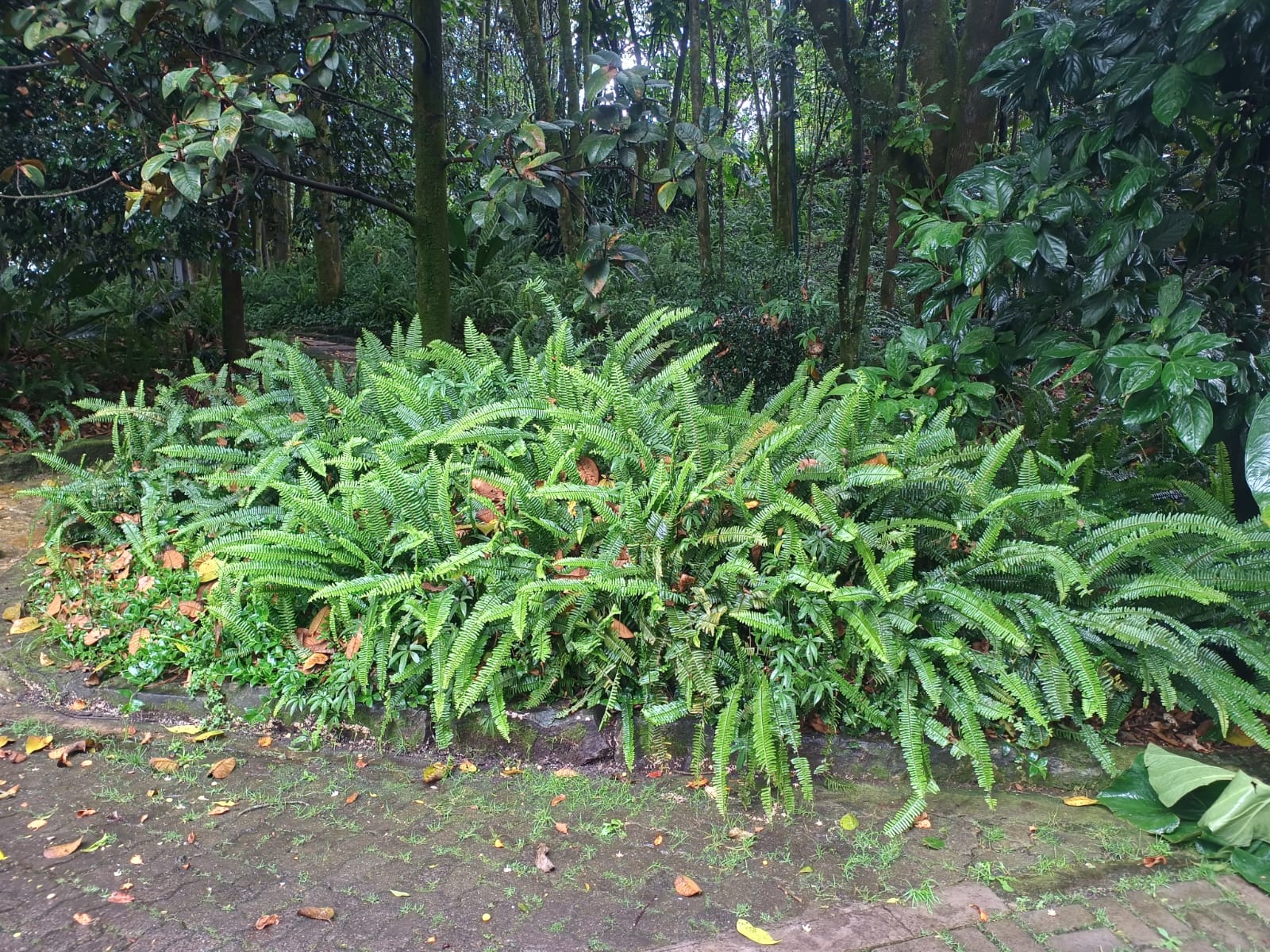
Image: Nathaly 1106 – CC0/Wikimedia Commons