Cereal Rye Sown After Its Four-Week Window Gave 57% Less Ground Cover in a UVM Study, a Warning for Gardeners Seeding Cover Crops in November
Timing made the biggest difference in a Northeast study of cereal rye, and the finding is a caution for gardeners who are still thinking about seeding a cover crop in November. A University of Vermont Extension summary of the research reports that sowing after the optimal window decreased ground cover by 57 percent and biomass by 44 percent, results the Agronomy Journal paper behind it also reports.
The optimal window is four weeks wide, running from two weeks before to two weeks after each location’s historic first frost. Seeding more heavily did not close the gap.
What the Northeast Rye Trials Measured
The research appeared in the Agronomy Journal in 2026 under the title Sowing date and seeding rate influence cereal rye productivity across the Northeastern United States. The author list is led by Laurel Wellman and includes Heather Darby, Steven Mirsky and J. M. Wallace, among others. Across 13 site-years, the researchers tested sowing dates relative to each location’s historic first frost, combined with six seeding rates for cereal rye.
The result was clear on timing. Delaying sowing from two weeks before to two weeks after first frost reduced ground cover by 57 percent and biomass by 44 percent, according to the abstract. Ground cover matters to home gardeners because it is the living blanket that holds soil in place and shades out weeds over winter.
Frost dates differ widely, so the window moves from place to place. A gardener in a mild climate may sit inside the window in November, while a gardener in northern Vermont is already well past it. Finding the historic first frost date for the area is the first step in judging whether rye seed still has time.
The study also found that early spring ground cover predicted biomass at anthesis, the flowering stage, regardless of sowing date. The authors suggest this could help growers make management decisions.
A Heavier Seeding Rate Does Not Fully Make Up for Late Sowing
The natural fix for a late start is to scatter more seed, and the trials tested it. Higher seeding rates did not fully offset the lost growing degree days from later sowing, the abstract says. Growing degree days are the heat accumulation that drives plant growth, and a late sowing misses a share of them no matter how much seed goes down.
Seeding rates up to about 60 kilograms per hectare maximized ground cover, biomass and weed suppression at most sites, according to the abstract. That is below existing regional recommendations.
Penn State Extension reaches a similar view in its guidance on cover crop seeding rates, by John Wallace, Daniela Carrijo and Heidi Reed. The page recommends 45 to 90 pounds per acre of rye for weed suppression and erosion control, and says fall sowing dates, spring termination timing and fertility affect cover crop results more than seeding rate does. It adds that October is cover crop seeding season in Pennsylvania, and that mid-October sowing produced over 70 percent horseweed suppression with no difference between 45 and 120 pounds per acre.
For forage rye, the same page says about 2 bushels per acre is typical and about 2.5 bushels is recommended for later fall seeding. That is a modest bump rather than a rescue.
What the Findings Mean for a November Garden Bed
The trials were run at field scale, and home-garden guidance is a little more forgiving. Mary Jo Gibson, a Master Gardener in Columbia County writing for Penn State Extension, says winter rye can be planted as late as early November in home gardens and will germinate in soil as cool as 35 degrees. She gives a rate of 4 pounds per 1,000 square feet.
Others are more cautious about the calendar. The UMass Extension Vegetable Program advises planting cover crops as quickly as possible after harvest, says rye should go in before September 15 in most of Massachusetts, and describes November-planted rye as better thought of as a very early spring cover crop. The same page lists seeding ranges of 90 to 120 pounds per acre broadcast, 60 to 100 drilled, and 50 to 60 when mixed with a legume.
The Northeast trials add the numbers behind that advice. A rye crop that goes in after its window should be expected to cover less ground and produce less biomass, even if seeded heavily.
Spring management matters as well. Gibson says winter rye should be turned under when it is 10 to 12 inches tall, as soon as the ground dries enough in spring and at least two to three weeks before planting. Plants should be cut down when or just before they flower, she adds, and cover crops should never be allowed to go to seed. UMass likewise says rye should be killed before flowers emerge, and it reports that rye biomass can reach up to 7,000 pounds per acre.
For gardeners holding a bag of rye seed on Nov. 2, the useful step is to find the historic first frost date for the area, count two weeks either side of it, and compare that window with the calendar. Seed that goes in after the window is not wasted, but the trials show it should not be counted on for the ground cover of a timely planting.
Get stories like this by email. Sign up for The Parent Diaries Letter.
This article was produced with AI assistance and edited for accuracy against the sources linked above.
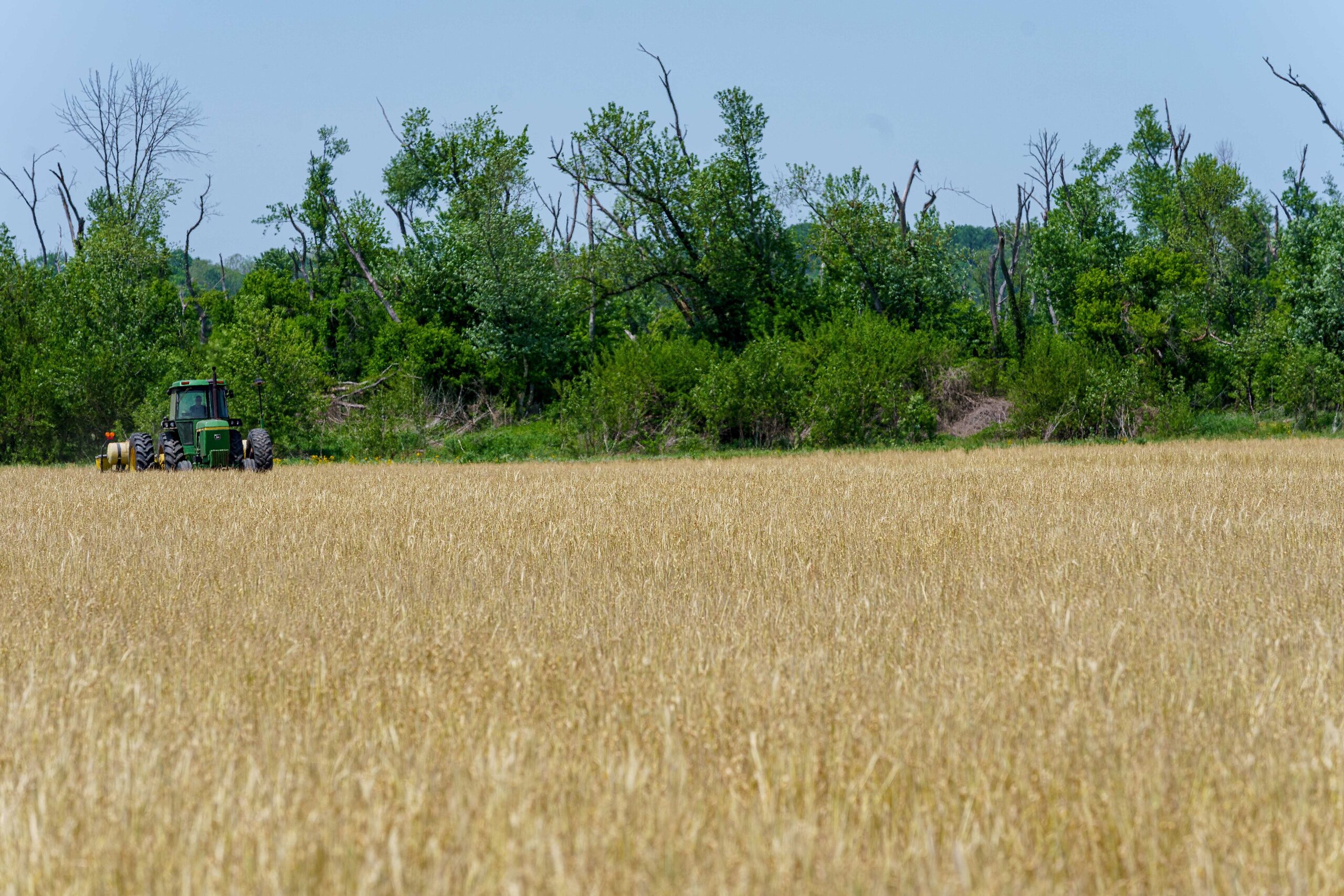
Image: USDAgov – Public domain/Wikimedia Commons