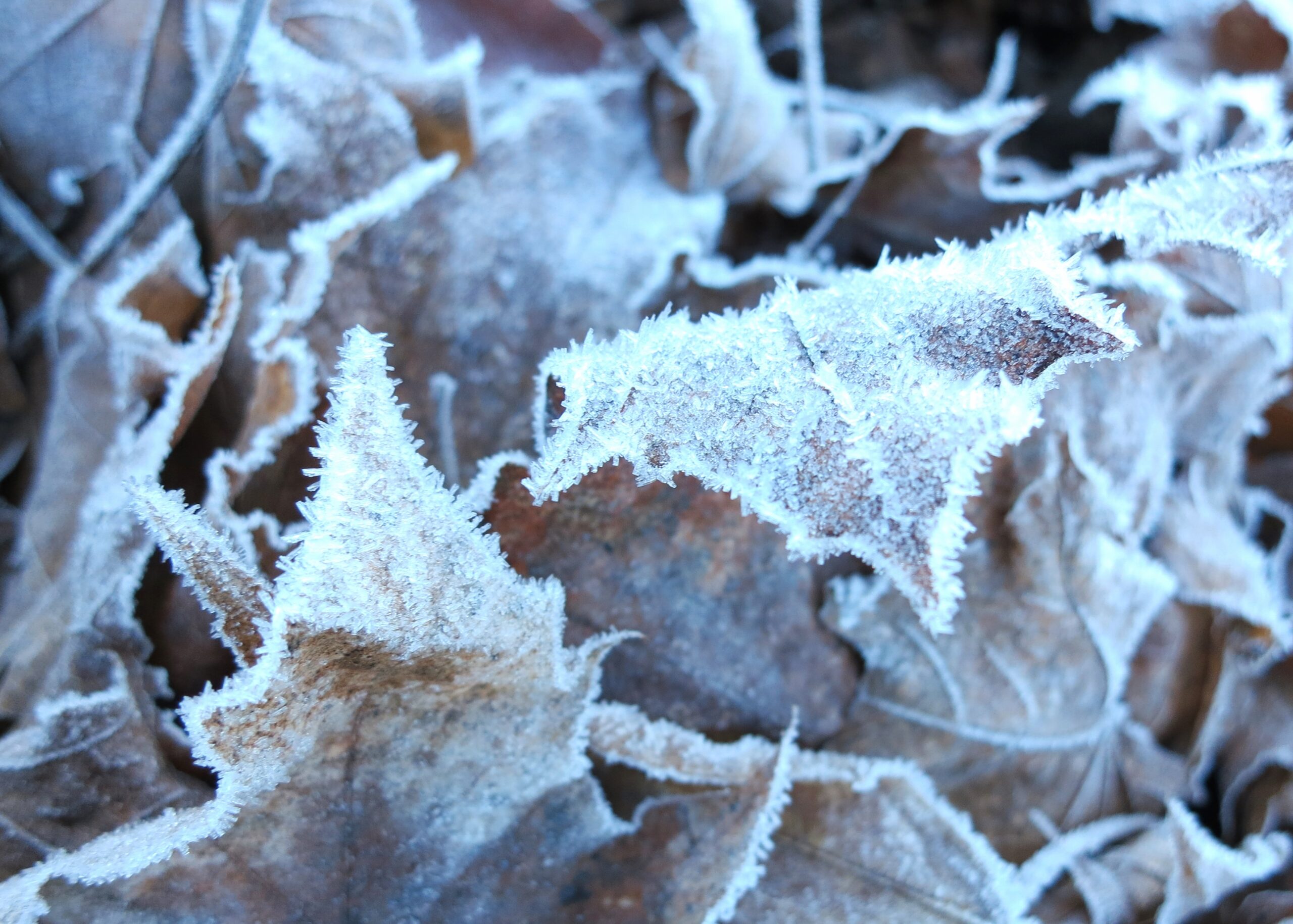
The Seattle Weather Service Says Lows of 26 to 30 Degrees Could Kill Tender Plants in Chehalis, Elma and Montesano Late Friday Night
Gardens along the Chehalis River valley in southwest Washington, from Montesano and Elma to Chehalis and Grand Mound, could see a hard frost late Friday night. The National Weather Service in Seattle says lows as cold as 26 to 30 degrees are possible, cold enough to kill tender plants and crops left uncovered.
Where the freeze watch covers and when
The Seattle office’s latest non-precipitation weather message, issued at 6:55 p.m. Thursday, Oct. 29, puts two forecast zones under a freeze watch from late Friday night through Saturday morning, Oct. 31.
One zone is the middle Chehalis River valley, which includes Montesano, McCleary and Elma in Grays Harbor County. The other is the lowlands of Lewis and southern Thurston counties, including Chehalis, Rochester, Fords Prairie and Grand Mound. The watch for the Lewis and Thurston lowlands was already in place and remains in effect, and Thursday evening’s message added the middle Chehalis valley.
The watch runs from about midnight to 9 a.m. Saturday. In the message, forecasters warn that “frost and freeze conditions could kill crops and other sensitive vegetation” and could damage unprotected outdoor plumbing. They advise people to “take steps now to protect tender plants from the cold.”
The weather service’s point forecast for Chehalis, updated late Thursday night, calls for a partly cloudy Friday night with a low around 31 and a slight chance of rain early in the evening, followed by a partly sunny Saturday with a high near 53.
What a freeze watch means for gardens
A freeze watch signals that a freeze is possible, not certain. The National Weather Service’s guide to cold weather alerts says a watch is issued when significant, widespread freezing temperatures are possible within the next 24 to 36 hours, and that in autumn it is used through the end of the growing season. A freeze warning, by contrast, means temperatures below 32 degrees are expected for an extended stretch. The agency notes that temperatures that low can kill some crops and home garden plants, and that readings below 28 can kill most of them.
The low end of Friday night’s range, 26 to 28 degrees, sits right at the line the weather service associates with killing most crops and home garden plants. Iowa State University Extension explains that a freeze happens when both the air and the inside of a plant drop below 32 degrees, killing cells and leaving leaves brown, wilted or collapsed. Frost advisories, by comparison, are typically issued for lows of 33 to 36 degrees, when damage is usually minor.
How to protect tender plants before Friday night
Washington State University Extension’s HortSense fact sheet on frost injury recommends covering vulnerable plants before a frost with lightweight floating row cover, blankets, cardboard boxes or newspaper, and taking the covers off once temperatures rise. The extension warns that covers left on for long periods can trap moisture and invite disease. It also notes that low-lying spots act as frost pockets and are at greater risk, which matters in river-valley yards.
Iowa State University Extension’s guide to frost and freeze protection adds a few details. Covers such as sheets, tarps or frost fabric work by trapping heat rising from the ground, so they should be propped on stakes, buckets or patio furniture rather than resting on the leaves. The easiest protection, the guide says, is moving potted tropicals and annuals into a heated room, porch or garage overnight. Iowa State also cautions that covering usually stops working once temperatures fall below about 28 degrees, and that damage can happen above 28 if freezing temperatures last five hours or more. The Seattle watch window runs about nine hours, from midnight to 9 a.m.
Gardeners with cold frames or hoop tunnels should close them before temperatures drop below freezing Friday evening and open them again during the day, the Iowa State guide says.
A WSU and Skagit County Master Gardener guide to extending the growing season suggests mulching around roots with grass clippings or fall leaves and using row covers held up on hoops with the edges weighted down with soil. For short plants, a plastic milk jug with the bottom cut off can be set over the top as a simple cloche.
After the cold lifts Saturday morning
WSU says frost damage often shows up as wilting and dieback some time after the cold night, so plants that look fine at dawn may still show injury days later. Covers should come off Saturday once the air warms above freezing, the Iowa State guide says, and WSU notes that leaving covers on for long periods can trap moisture.
Because a watch signals a possibility rather than a forecast certainty, the Seattle office may update it as Friday night approaches. Current alerts for each town appear at the top of the weather service’s local forecast pages.
Get stories like this by email. Sign up for The Parent Diaries Letter.
This article was produced with AI assistance and edited for accuracy against the sources linked above.
Image: Ruth Hartnup from Vancouver, Canada – CC BY 2.0/Wikimedia Commons