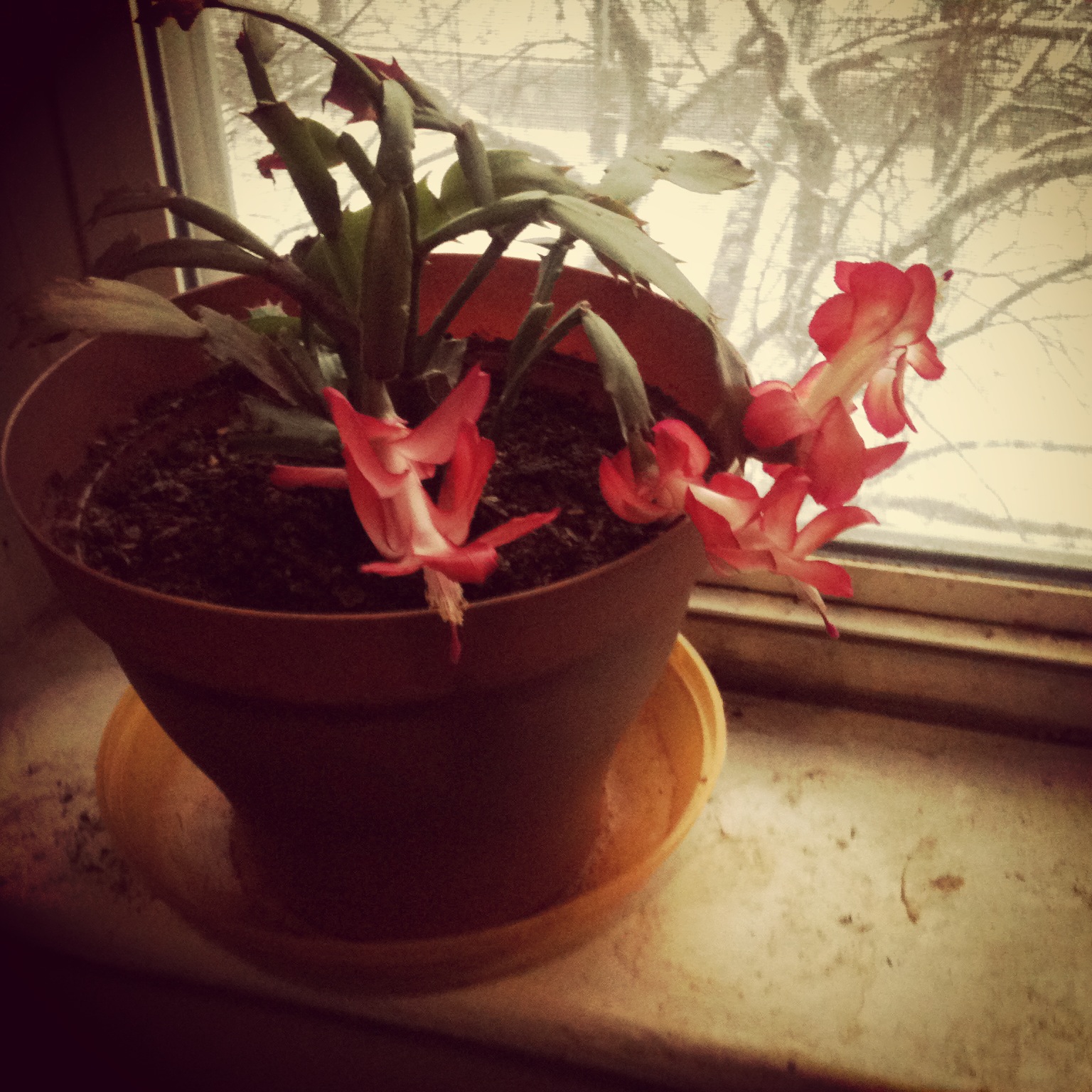
Christmas Cactus Needs 14 Hours of Unbroken Darkness for Six Weeks to Set Buds, and Just 2 Hours of Light Can Stop It
Darkness, more than cold, is what Clemson Extension’s fact sheet on Thanksgiving and Christmas cacti measures in hours: 14 or more of continuous darkness each day before flower buds will set. The fact sheet, revised by horticulture agent Joey Williamson, says as little as 2 hours of interrupted lighting will inhibit bud set. University of Georgia Extension’s Jacob Williams gives the same numbers.
How Much Darkness Does a Christmas Cactus Need?
Clemson says the long nights should begin around mid-September and continue for at least six continuous weeks for complete bud set. Williams writes that Christmas cacti need at least 14 hours of continuous darkness in the fall, starting in September and continuing for six weeks.
Not every extension service sets the bar at 14. The University of Minnesota Extension page on holiday cacti, by Julie Weisenhorn and Mary Meyer, says plants held at nights of 60 to 65 degrees need at least 12 hours of complete darkness every night for about six weeks to bloom. Penn State Master Gardener Tenette Bogart, in a Penn State holiday cactus care guide, also gives 12 hours of uninterrupted darkness as the minimum to flower.
So the figure runs from 12 to 14 hours depending on the source, with Clemson and Georgia setting the higher mark.
What Counts as an Interruption?
The trouble is rarely the daily schedule itself. It is light that arrives in the middle of the dark period. Clemson’s fact sheet says street lights and indoor lamps can interrupt the dark period enough to inhibit bud set. Williams puts the rule plainly: if the darkness is broken for 2 hours, bud set will be inhibited.
Minnesota’s page describes the other half of the cycle. After the dark period, the plant should get bright light for the rest of each 24-hour day. Penn State’s guide warns that too much light can prevent blooming, and that temperature extremes and lack of light may cause buds to drop.
Do Cool Nights Matter Too?
They do, and the numbers differ by source. Clemson says fall growing temperatures should stay between 60 and 68 degrees. Night temperatures of 50 to 59 degrees still trigger buds but slow growth, and bud drop may occur at 50. Once buds form, temperatures should stay below 90.
Minnesota says nights of 55 degrees can trigger blooms in five to six weeks, and that plants are unlikely to bloom if nights are above 65 degrees. Penn State gives 68 degrees in the daytime and 60 at night as the best winter growing range. Williams adds that plants kept outdoors in summer should come inside if temperatures go below 50.
Rosie Lerner of Purdue Extension, in a Purdue Yard and Garden article on getting a Christmas cactus to rebloom, writes that cool nighttime temperatures of about 50 to 55 degrees also trigger blooming. She does not specify the hours of darkness, but she says the dark periods need to be long and uninterrupted.
Is It Too Late to Start in November?
The schedules are built around early fall. Clemson starts the long nights in mid-September, and Lerner suggests starting dark treatments in mid-October for holiday bloom, with cool treatments by early November. Six weeks counted from Nov. 2 ends on Dec. 14, later than either schedule.
Thanksgiving and Christmas cacti also differ in timing. Clemson notes that a Thanksgiving cactus blooms about a month before a Christmas cactus, and the two can be told apart by their stems: Thanksgiving cactus segments have two to four saw-toothed projections, while Christmas cactus stem margins are rounder. Easter cactus is a separate species that mainly blooms in spring, and Minnesota says it needs 8 to 12 weeks of short days to set buds.
Watering advice changes once buds form, and the sources do not fully agree. Clemson says to water when the growing medium is dry to the touch, then keep it evenly moist after buds set to prevent bud drop, and never to let water sit in the saucer. Williams likewise says to keep the soil evenly moist to keep the buds from falling off. Minnesota warns that excess water may cause buds to drop, along with wilting and root rot, and says to let the soil dry between waterings and avoid disturbing the plant once buds form.
Get stories like this by email. Sign up for The Parent Diaries Letter.
This article was produced with AI assistance and edited for accuracy against the sources linked above.
Image: Monika Wahi – CC BY-SA 3.0/Wikimedia Commons