Cultivate Your Own Backyard Oasis: A Beginner’s Guide to Growing a Thriving Vegetable Garden

Growing your own vegetables is not only a rewarding experience but also a step towards a healthier lifestyle and a more sustainable planet. Whether you have a sprawling yard or a small balcony, starting a backyard vegetable garden can be both enjoyable and beneficial. In this guide, we’ll walk you through the essentials of starting your own garden, providing tips and insights to help you cultivate a thriving green space right at home.
Understanding the Benefits
Before you dig in, let’s discuss why growing your own vegetables is a smart choice. Home gardens contribute to environmental sustainability by reducing the carbon footprint associated with transporting food. They also provide fresh produce that’s free from harmful pesticides and chemicals, making them a healthier option for your family. Additionally, tending to a garden can promote mental well-being, offering a calming retreat and a sense of accomplishment as you watch your plants grow.
Choosing the Right Location
The first step to a successful vegetable garden is choosing the right spot. Look for a location that:
1. Receives Plenty of Sunlight: Most vegetables require at least 6-8 hours of sunlight a day. Observe your yard throughout the day to find the sunniest area.
2. Has Good Drainage: Avoid areas where water tends to pool. Raised beds or containers can help improve drainage if your soil is heavy.
3. Is Easily Accessible: Make sure your garden is close to your house for easy maintenance, watering, and harvesting.
Preparing Your Soil
Soil quality is crucial for healthy plants. Start by testing your soil to determine its pH and nutrient content. Most vegetables prefer a slightly acidic to neutral pH (around 6.0-7.0). You can purchase a soil testing kit from a garden center or contact your local extension office for assistance.
Once you know your soil’s condition, you can improve it by:
Adding Organic Matter: Incorporate compost, aged manure, or peat moss to enrich the soil with nutrients and improve its texture.
Tilling the Soil: Turn the soil to a depth of at least 12 inches to aerate it and mix in organic materials.
Leveling the Area: Remove rocks and debris to create a smooth planting surface.
Choosing What to Grow
When it comes to selecting vegetables, consider your personal preferences, climate, and the space available. Beginners may want to start with easy-to-grow crops, such as:
Lettuce and Salad Greens: Fast-growing and can be sown in early spring or fall.
Radishes: Quick to germinate and can be harvested in about a month.
Tomatoes: A favorite for many gardeners, they thrive in sunny spots and can be grown in containers.
Zucchini: Produces abundant yields and is relatively low-maintenance.
Additionally, consider planting companion crops—plants that grow well together and can help deter pests. For example, planting basil near tomatoes can enhance growth while repelling insects.
Planning Your Garden Layout
Once you’ve decided on your crops, plan your garden layout. Consider the following:
1. Spacing: Follow the recommended spacing for each vegetable to ensure proper air circulation and access to sunlight. Overcrowding can lead to disease and poor yields.
2. Height and Growth Patterns: Taller plants like tomatoes should be planted on the north side of the garden to prevent them from shading shorter plants.
3. Rows vs. Raised Beds: Decide whether you want to plant in traditional rows or use raised beds. Raised beds can improve drainage and soil quality while making it easier to manage weeds.
Planting and Watering
Timing is everything when it comes to planting. Most vegetables can be started in the spring after the last frost date in your area. For many regions, this is typically between late March and early June, but it’s important to check local guidelines.
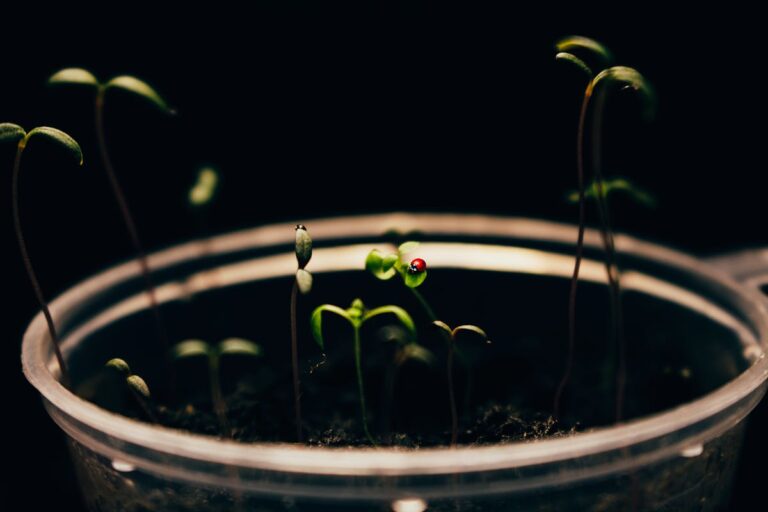
Direct Sowing vs. Transplanting: Some vegetables do best when sown directly into the ground, while others benefit from being started indoors and transplanted later.
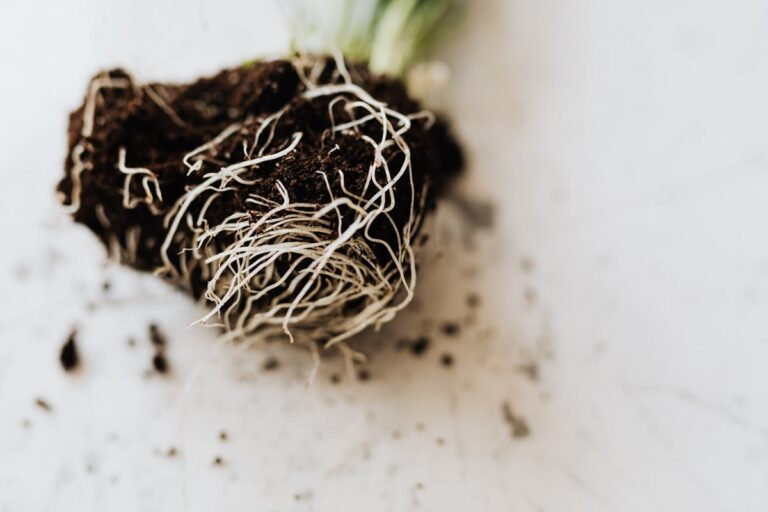
Watering Techniques: Aim to water deeply and less frequently to encourage root growth. Early morning is the best time to water, as it reduces evaporation and allows foliage to dry before evening.
Maintaining Your Garden
Regular maintenance is key to a thriving vegetable garden. Here are some essential tips:
Weeding: Keep your garden free of weeds that compete for nutrients and water. Regularly check for and remove them by hand or with a hoe.
Fertilizing: Depending on your soil quality, you may need to fertilize periodically. Use organic fertilizers like compost or fish emulsion to provide nutrients without harming beneficial microorganisms.
Pest Control: Keep an eye out for pests and diseases. Use natural methods, such as introducing beneficial insects or using insecticidal soap, to manage issues without harsh chemicals.
Harvesting
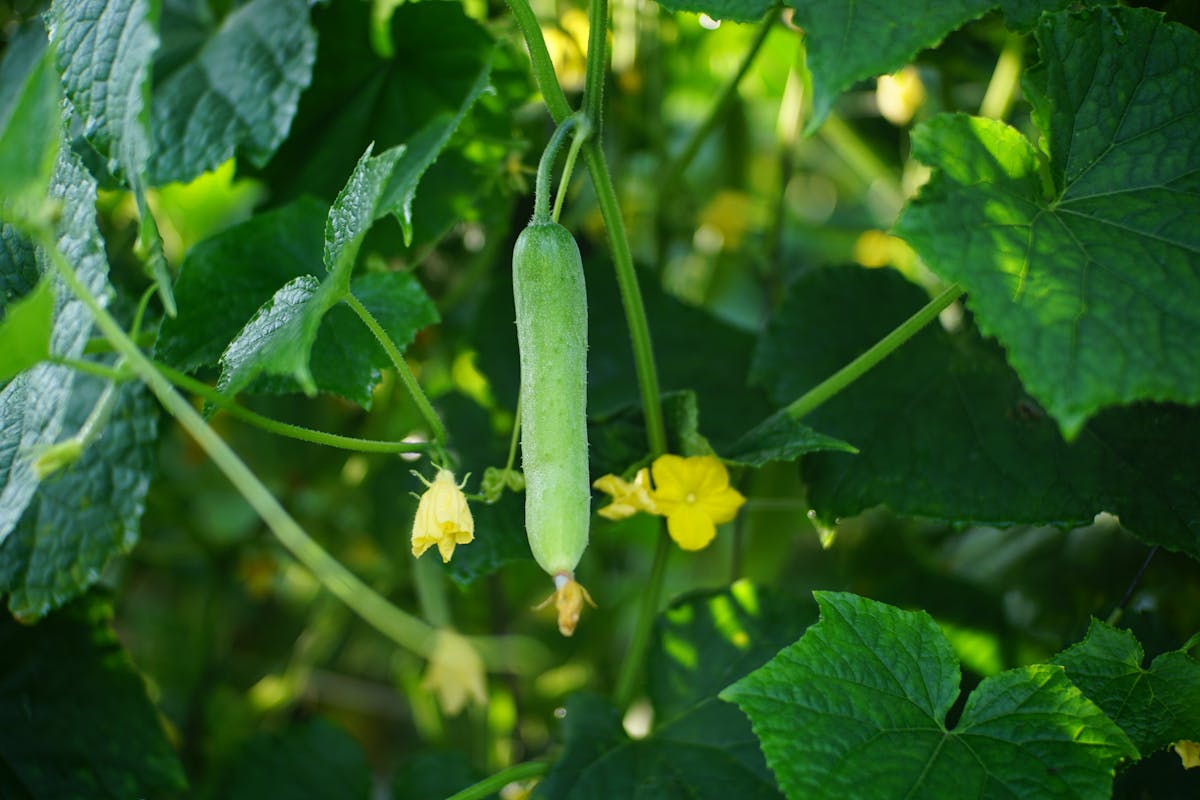
One of the most rewarding aspects of gardening is the harvest. Timing is important—harvest vegetables at their peak ripeness for the best flavor and nutritional value. Regular harvesting can also encourage plants to produce more, especially with crops like beans and zucchini.
Enjoying Your Bounty
After all your hard work, enjoy the fruits of your labor! Freshly harvested vegetables are perfect for salads, stir-fries, and other delicious meals. Consider sharing your harvest with friends and family or preserving excess produce through canning or freezing.
Starting a backyard vegetable garden is a fulfilling journey that can enhance your home, health, and the environment. With a little planning, patience, and care, you can create a flourishing oasis right in your backyard. Happy gardening!