Debunking the Top 10 Gardening Myths: What Every Gardener Needs to Know

Gardening is a rewarding hobby, but it can also be rife with misconceptions that lead to confusion and frustration. With countless tips and tricks circulating through books, blogs, and even well-meaning friends, it’s easy to fall for myths that can steer your gardening efforts off course. We’ve consulted experts to help debunk ten of the most persistent gardening myths that simply refuse to go away.
Myth 1: You Should Water Your Plants Every Day
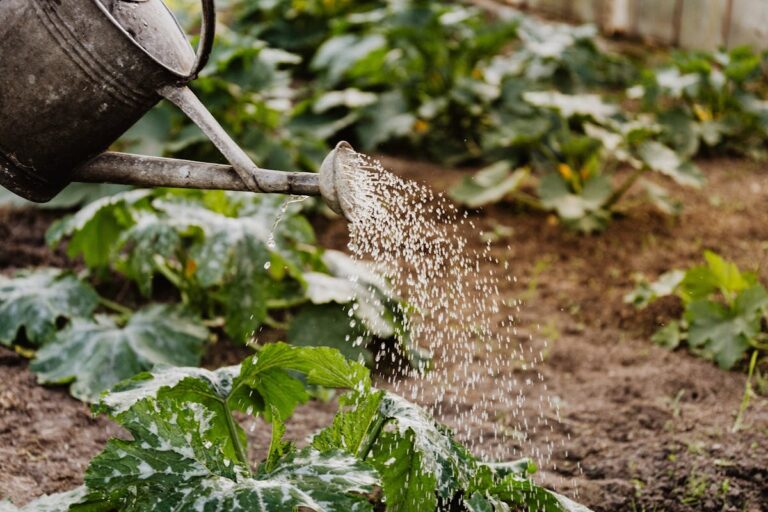
Many new gardeners believe that daily watering is essential for healthy plants. However, most plants thrive on deep, infrequent watering rather than shallow, daily sips. Overwatering can lead to root rot and other issues. Instead, check the soil moisture a few inches down; if it feels dry, give it a good soak. Depending on your climate and the type of plants, this could mean watering a couple of times a week or even less frequently.
Myth 2: Coffee Grounds are Always Good for Plants
While coffee grounds can be beneficial for some acid-loving plants like blueberries and azaleas, they are not a universal remedy. They can increase soil acidity, which may not be suitable for all plants. Additionally, too much coffee can lead to nutrient imbalances. Use coffee grounds sparingly, and always mix them into the compost pile or soil rather than applying them directly to plants.
Myth 3: Mulch is Just for Aesthetics
Many gardeners think of mulch as merely a decorative touch, but it serves multiple vital functions. Mulch helps retain moisture, suppress weeds, and regulate soil temperature. Organic mulches, such as wood chips or straw, also break down over time, enriching the soil. A layer of 2-4 inches around your plants can make a significant difference.
Myth 4: You Can’t Grow Vegetables in Containers
Container gardening is a fantastic option for those with limited space or poor soil. Many vegetables, including tomatoes, peppers, and herbs, can thrive in pots or raised beds. Make sure to select suitable container sizes and use high-quality potting soil. Adequate drainage is key, so choose pots with holes at the bottom and consider adding stones or broken pottery to the base.
Myth 5: You Should Prune Plants in Spring
While spring is a popular time for pruning, it’s not universally the best time for all plants. Some trees and shrubs, especially those that bloom in spring, should be pruned immediately after flowering to avoid cutting off next year’s buds. Conversely, late winter or early spring can be suitable for dormant pruning of many deciduous trees and shrubs. Always research specific plants to determine the optimal timing for pruning.
Myth 6: All Weeds Are Bad
Weeds often have a bad reputation, but not all weeds are harmful to your garden. Some, like clover, can improve soil quality by fixing nitrogen. Others can act as ground cover, helping to prevent erosion. Instead of a scorched-earth policy, consider learning to identify beneficial weeds and managing them appropriately while controlling invasive species.
Myth 7: You Don’t Need to Fertilize Your Garden if You Have Good Soil
While good soil provides a solid foundation for plant growth, it doesn’t mean you can skip fertilization entirely. Nutrient levels can deplete over time, especially in vegetable gardens. Regular soil testing can help determine what nutrients may be lacking. Organic fertilizers, compost, and mulch can all contribute to maintaining healthy soil fertility.
Myth 8: Pesticides are the Only Way to Control Pests
Many gardeners turn to pesticides as a first line of defense against pests, but there are numerous alternatives. Integrated pest management (IPM) strategies focus on prevention and natural controls, such as introducing beneficial insects (like ladybugs) or using companion planting to deter pests. Regular monitoring and early intervention can also help mitigate pest problems without chemical solutions.
Myth 9: You Should Remove All Insects from Your Garden
While it’s tempting to eliminate every insect in sight, doing so can disrupt the ecosystem in your garden. Many insects are beneficial, playing crucial roles in pollination and pest control. Instead of a zero-tolerance approach, focus on identifying harmful pests and managing their populations while allowing beneficial insects to thrive.
Myth 10: Gardening is Only for the Experienced
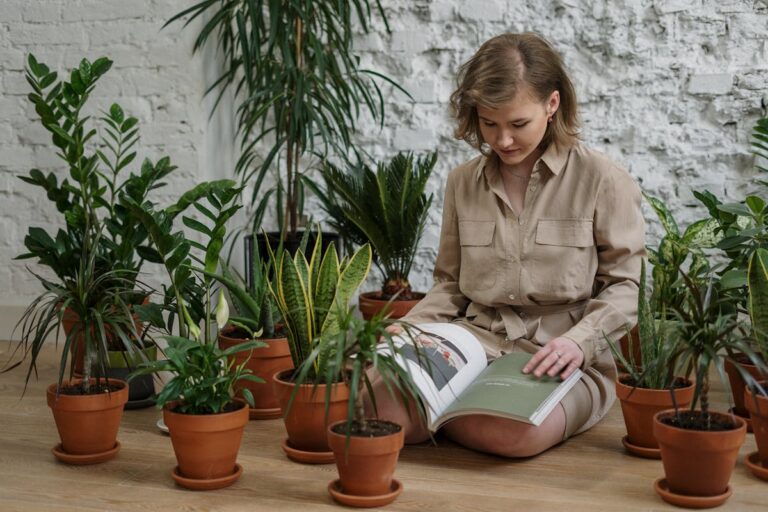
Many people believe that gardening is an activity reserved for those with prior experience, but anyone can learn to grow plants successfully. With the wealth of resources available, including books, online tutorials, and local gardening clubs, beginners can easily find the information they need. Start small, choose easy-to-grow plants, and don’t be afraid to ask for help or advice. Gardening is a journey, and every gardener has to start somewhere.
By debunking these common gardening myths, you can approach your gardening endeavors with greater confidence and knowledge. Whether you’re a beginner or looking to refine your skills, remember that gardening is about experimentation and learning from both successes and failures. Embrace the process, and you might just find that your garden flourishes beyond your expectations. Happy gardening!