Discover the Allure of Senorita Rosalita: The Landscape Annual of the Year

Senorita Rosalita is making waves in the gardening world as it has been named the Landscape Annual of the Year, a title that celebrates its remarkable beauty and versatility. This radiant plant, known for its vibrant colors and robust growth, is quickly becoming a favorite among home gardeners across North America. If you’re looking to add a splash of color to your garden or landscape, this article will guide you through everything you need to know about cultivating and caring for Senorita Rosalita.
What is Senorita Rosalita?
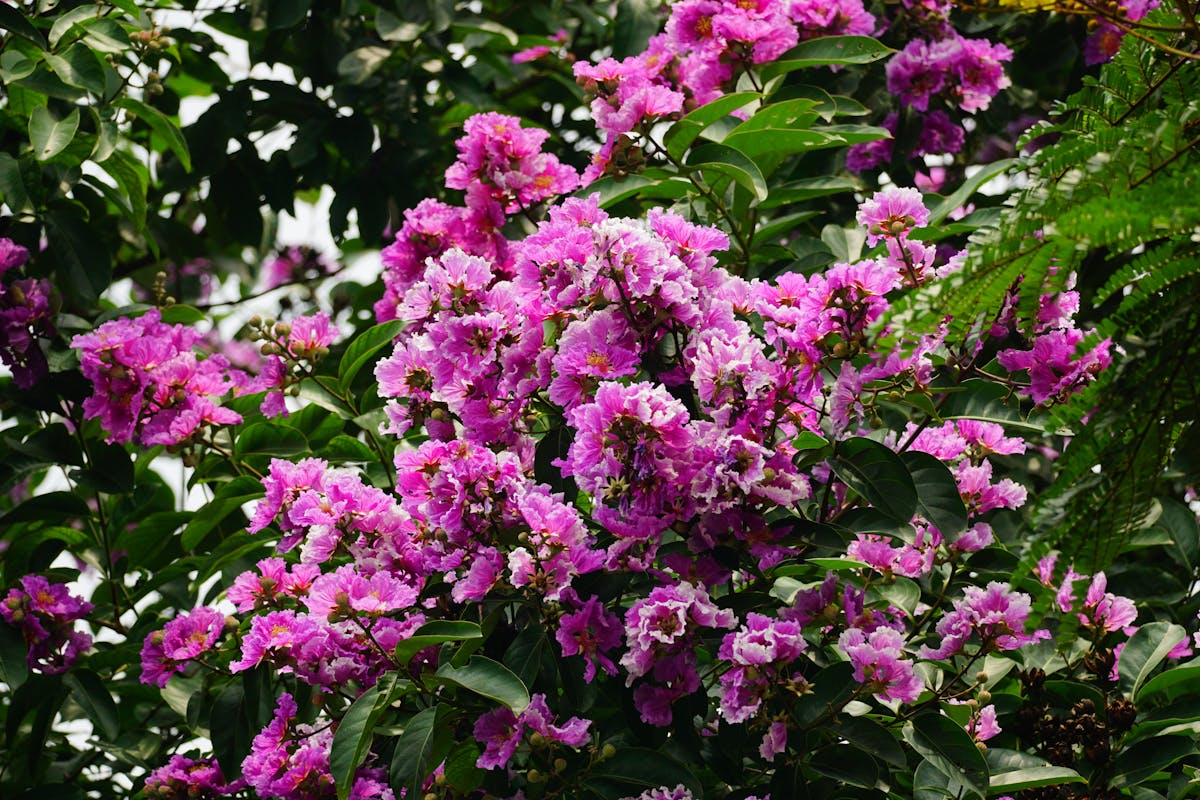
Senorita Rosalita is a stunning variety of the popular Angelonia plant, also known as summer snapdragon. This tender perennial, often treated as an annual in cooler regions, is cherished for its upright growth habit and prolific flowering. The plant showcases clusters of petite, trumpet-shaped flowers in shades of soft lavender and purple, which attract butterflies and hummingbirds, adding movement and life to your garden.
With its compact size, typically reaching 18 to 24 inches tall, Senorita Rosalita is perfect for borders, containers, or as a colorful filler in mixed plantings. Its long-lasting blooms can thrive throughout the summer and into the fall, making it a valuable addition to any garden.
Growing Conditions
To cultivate Senorita Rosalita successfully, it’s essential to provide the right growing conditions. Here are some key considerations:
1. Sunlight: Senorita Rosalita thrives in full sun, requiring at least six hours of direct sunlight daily. Choosing a sunny location will help promote healthy growth and abundant flowering.
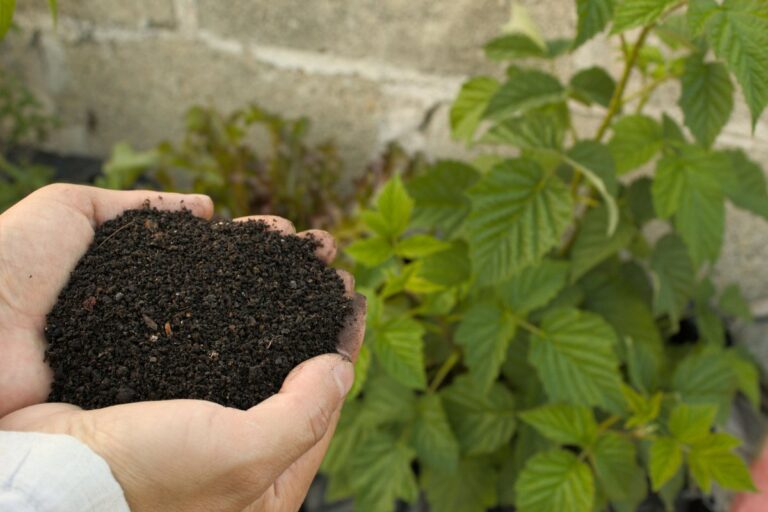
2. Soil: This plant prefers well-draining, nutrient-rich soil. Incorporating compost or a balanced fertilizer into your planting area will enhance soil fertility and drainage.
3. Watering: While Senorita Rosalita is somewhat drought-tolerant once established, regular watering is crucial during dry spells. Aim to keep the soil consistently moist but not soggy. Water at the base of the plant early in the morning to avoid leaf diseases.
4. Temperature and Hardiness: This plant thrives in USDA zones 9 to 11. In cooler areas, such as zones 7 and 8, it can be grown as an annual or in containers that can be brought indoors during the winter months. The ideal temperature range for optimal growth is between 70°F and 85°F.
Planting Tips
When planting Senorita Rosalita, timing is key. For most North American gardeners, the best time to plant is after the danger of frost has passed, typically in late spring. Here’s a step-by-step guide to ensure your planting success:
1. Select the Right Location: Choose a sunny spot in your garden or patio that receives full sun.
2. Prepare the Soil: Loosen the soil to a depth of 12 inches and mix in organic matter, such as compost or well-rotted manure. This will improve drainage and provide essential nutrients.
3. Spacing: Space your plants about 12 to 18 inches apart to allow for good air circulation and to accommodate their growth.
4. Planting: Dig a hole slightly larger than the root ball of your Senorita Rosalita plant. Place the plant in the hole and backfill with soil, gently firming it around the base.
5. Watering: After planting, water the plants thoroughly to help settle the soil and eliminate air pockets.
Care and Maintenance
Once established, Senorita Rosalita requires minimal maintenance but will benefit from a few care tips:
1. Fertilization: Apply a balanced fertilizer every four to six weeks during the growing season. This will encourage vigorous growth and flowering.
2. Deadheading: To promote continuous blooming, regularly deadhead spent flowers by pinching them off. This encourages the plant to produce more blooms.
3. Pest and Disease Management: Keep an eye out for common pests such as aphids or spider mites. Insecticidal soap or neem oil can help manage infestations. Additionally, ensure good air circulation to prevent fungal diseases.
4. Winter Care: If you live in a cooler climate and are growing Senorita Rosalita as a perennial, consider bringing potted plants indoors for the winter or covering garden beds with mulch to protect the roots from frost.
Design Ideas for Your Garden
Senorita Rosalita is incredibly versatile and can be used in various landscape designs. Here are a few ideas to inspire your gardening creativity:
1. Container Gardens: Create a vibrant container garden by combining Senorita Rosalita with other heat-loving plants such as petunias, lantanas, or ornamental grasses. This adds height and interest to your patio or balcony.
2. Flower Borders: Use Senorita Rosalita to create a colorful border along walkways or garden beds. Pair it with complementary plants like marigolds or zinnias for a striking visual effect.
3. Mixed Plantings: Integrate Senorita Rosalita into larger garden beds. Its upright growth habit pairs well with trailing plants like sweet potato vines or creeping thyme for a dynamic arrangement.
4. Pollinator Gardens: Plant Senorita Rosalita alongside other nectar-rich flowers to create a pollinator-friendly space that attracts butterflies and bees.
In Summary
Senorita Rosalita has earned its title as the Landscape Annual of the Year for good reason. With its vibrant color, ease of care, and versatility in garden design, it is no wonder that this stunning plant is captivating gardeners across North America. Whether you’re a beginner or an experienced gardener, adding Senorita Rosalita to your garden will surely bring joy and beauty to your outdoor space. Happy planting!