Discover the Benefits of Gijang County’s New Companion Plant Clinic for Your Garden

In the world of gardening, many enthusiasts know that plants thrive best in the company of others. This principle of companion planting has been embraced by Gijang County in South Korea, where local officials have recently launched a unique initiative called the “Companion Plant Clinic.” Aimed at educating gardeners on the benefits of planting compatible species together, this clinic could inspire similar programs in North America, enhancing both our gardens and our understanding of plant relationships.
What Is Companion Planting?
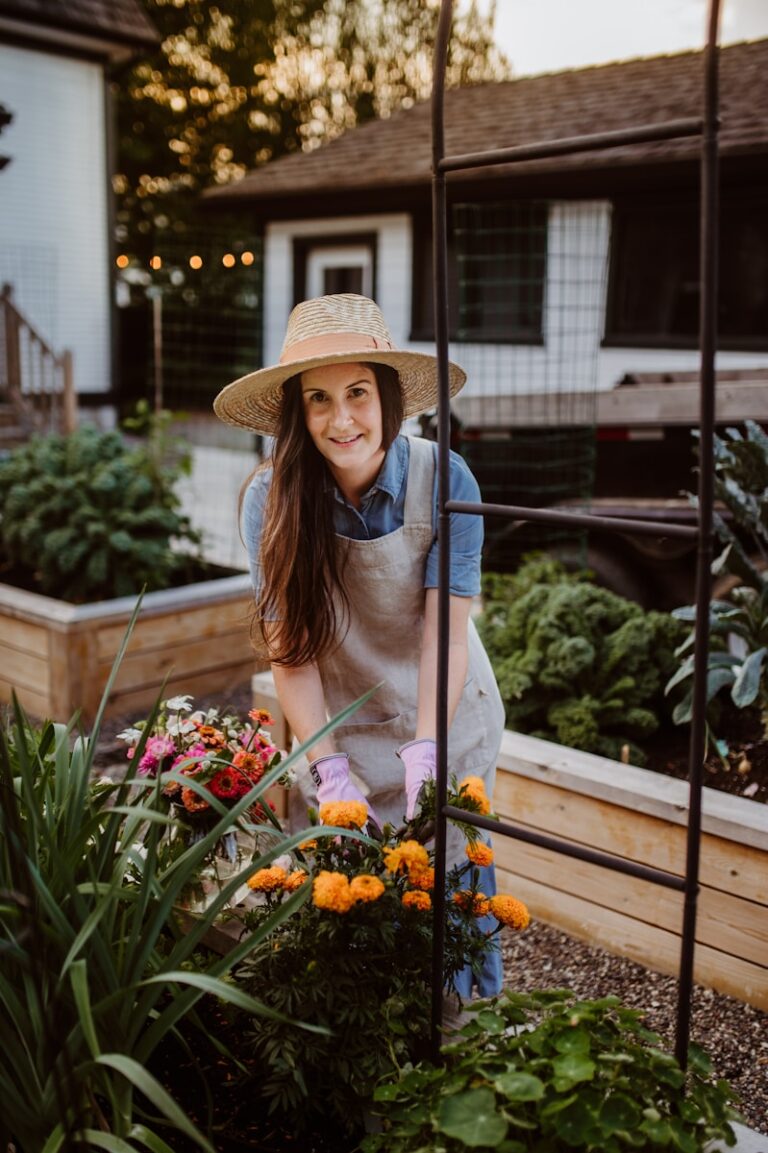
Companion planting is the practice of growing different plants in close proximity for mutual benefit. This can include pest control, pollination enhancement, improved nutrient uptake, and even maximizing space in small gardens. For instance, planting marigolds alongside tomatoes can help deter nematodes, while growing basil near peppers can enhance their flavor. The idea is simple: when plants help each other, everyone wins.
The Gijang County Companion Plant Clinic
Gijang County’s Companion Plant Clinic aims to educate both novice and experienced gardeners on the various benefits of companion planting. By providing resources such as workshops, informational sessions, and one-on-one consultations, the clinic is set to become a valuable asset for the community. Gardeners can learn about which plants work best together, how to set up their gardens effectively, and common mistakes to avoid.
In North America, we’re no strangers to the idea of companion planting, but structured support like the clinic in Gijang County can enhance our gardening practices. Imagine a local initiative where community members gather to share their experiences and knowledge on plant pairings—this could lead to healthier gardens and a stronger community bond.
Getting Started with Companion Planting
If you’re intrigued by the idea of companion planting and want to implement it in your garden, here are some practical tips to help you get started:
1. Research Suitable Plant Combinations
Take the time to research which plants thrive together. Some classic combinations include:
Tomatoes and Basil: Basil can improve the flavor of tomatoes and help repel pests.
Carrots and Onions: These two can help deter each other’s pests, making them ideal neighbors.
Cucumbers and Beans: Beans can provide nitrogen to the soil, benefiting cucumbers.
Use online resources, gardening books, or local extension services to find plant pairings that work well in your USDA zone.
2. Plan Your Garden Layout
When planning your garden, consider the layout carefully. Taller plants should be placed where they won’t shade shorter plants. For instance, if you’re growing sunflowers, place them at the back of the garden bed, allowing shorter plants like lettuce or radishes to thrive in the front.
3. Pay Attention to Soil and Water Needs
Different plants have varying soil and water requirements. When choosing companions, ensure they have similar needs. For example, both lavender and rosemary thrive in well-drained soil and prefer dry conditions, making them perfect companions.
4. Timing Is Key
Planting at the right time is crucial. Be mindful of your local frost dates and growing seasons. For instance, consider planting cool-season crops like peas and lettuce in early spring, while waiting until after the last frost to plant warm-season crops like tomatoes and peppers.
Common Mistakes to Avoid
While companion planting can significantly enhance your gardening experience, there are common pitfalls to watch out for:
Ignoring Plant Compatibility: Not all plants are good companions. Some may compete for nutrients or attract pests. Always research before pairing plants together.
Overcrowding: It might be tempting to plant as many varieties as possible, but overcrowding can lead to poor air circulation and increased pest problems.
Neglecting Maintenance: Companion planting does not eliminate the need for regular garden maintenance. Keep an eye on your plants for signs of pests or disease, and make sure to prune and water them as needed.
Beyond the Garden
The Companion Plant Clinic in Gijang County is more than just a gardening initiative; it fosters a sense of community. As gardeners share their successes and challenges, they create a network of support that can lead to improved gardening practices and camaraderie.
In North America, we can benefit from similar programs by organizing local workshops or community gardening events where gardeners can exchange tips and experiences. Whether you’re a beginner or have been gardening for years, there’s always something new to learn about the best ways to nurture plants and enhance the garden ecosystem.
Final Thoughts
The introduction of Gijang County’s Companion Plant Clinic highlights the importance of community support in gardening. As we embrace the concept of companion planting, we can cultivate not just our gardens but also our connections with fellow gardeners. Whether you’re experimenting with new plant combinations or sharing your gardening journey, remember that plants need care too—and sometimes that care extends beyond soil and water to include the company they keep.