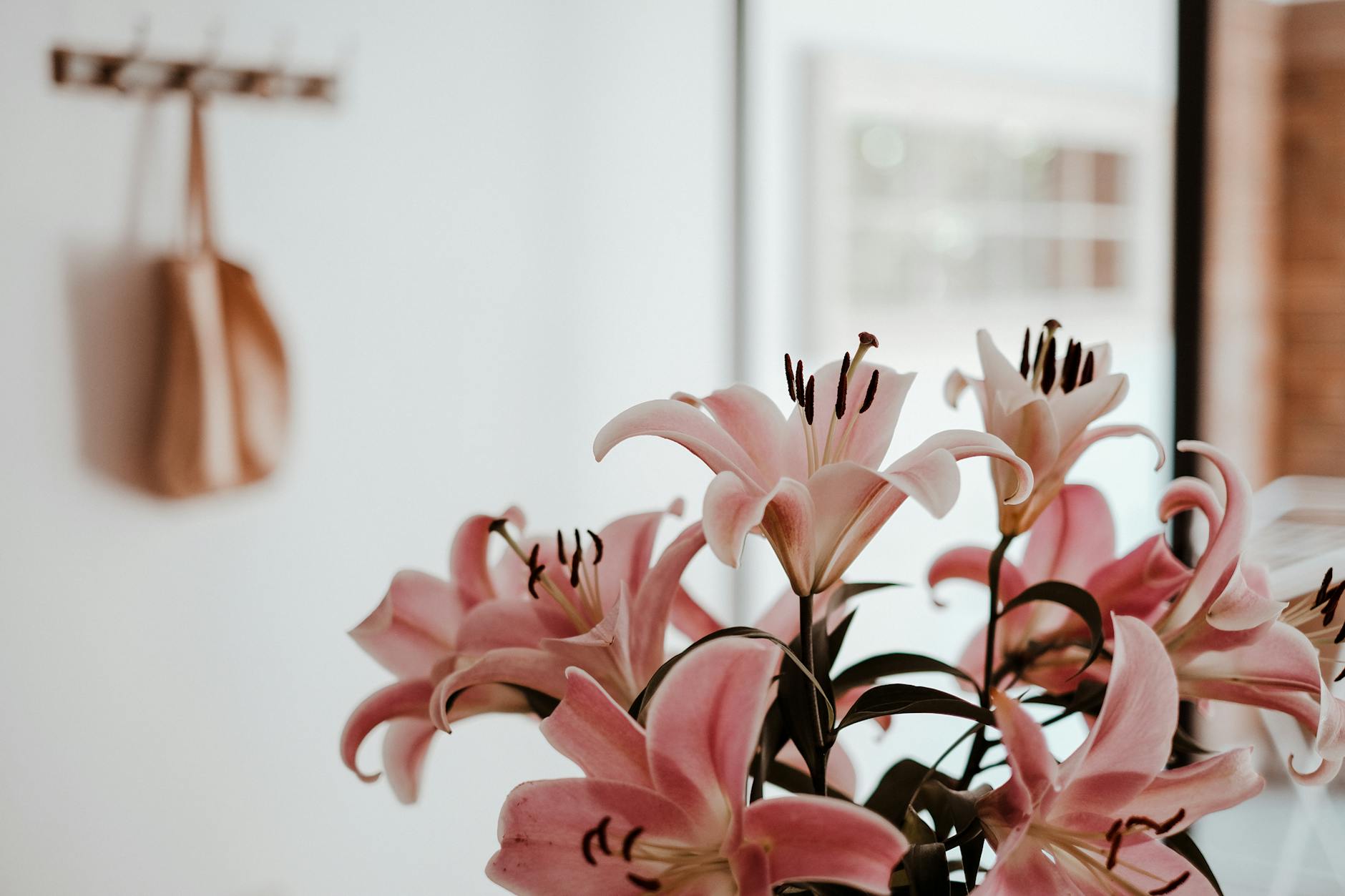
Discover the Benefits of Peace Lilies: Your New Favorite Houseplant for a Fresher Home

A breath of fresh air inside your home can be as simple as adding a peace lily to your plant collection. Known for their elegant white blooms and glossy green leaves, peace lilies (Spathiphyllum spp.) are not just beautiful—they also contribute to a healthier indoor environment. Recent research highlights their ability to improve air quality, making them an ideal choice for home gardeners looking to create a fresher, more inviting living space.
Why Choose a Peace Lily?
Peace lilies are renowned for their low-maintenance nature, making them perfect for both beginner and intermediate gardeners. They thrive in various lighting conditions, from low light to bright indirect sunlight, which means you can place them in different areas of your home without worrying about specific light requirements. Additionally, peace lilies are relatively forgiving plants, requiring less frequent watering compared to other houseplants.
One of the standout features of peace lilies is their air-purifying abilities. Studies have shown that they can help filter common indoor air pollutants such as formaldehyde, benzene, and carbon monoxide. By incorporating a peace lily into your home, you’re not only adding a touch of elegance but also working towards a healthier indoor atmosphere.
Caring for Your Peace Lily
To ensure your peace lily thrives, follow these care tips:
1. Lighting: Place your peace lily in a location that receives bright, indirect sunlight. Avoid direct sunlight, as it can scorch the leaves. If you notice your plant leaning toward the light, it’s a sign it may need to be rotated or moved to a brighter spot.
2. Watering: Peace lilies prefer to be on the drier side. Water your plant when the top inch of soil feels dry to the touch. Overwatering can lead to yellowing leaves and root rot. If your peace lily droops slightly, that’s a sign it’s thirsty—give it a good drink, and it will perk back up.
3. Humidity: Peace lilies enjoy humidity, so consider placing them in a bathroom or kitchen where moisture levels are higher. If you live in a particularly dry climate, misting the leaves occasionally or placing a humidifier nearby can help your plant thrive.
4. Temperature: Maintain a temperature range between 65°F and 85°F (18°C to 29°C), and avoid exposing your peace lily to cold drafts or sudden temperature changes.
5. Fertilizing: Feed your peace lily with a balanced, water-soluble fertilizer every 6-8 weeks during the growing season (spring and summer). Be cautious not to over-fertilize, as this can lead to leaf burn.
6. Repotting: Every couple of years, consider repotting your peace lily into a slightly larger pot to provide fresh soil and room for growth. This is usually best done in the spring.
Common Mistakes to Avoid
While peace lilies are forgiving, there are some common pitfalls to watch out for:
Overwatering: This is the most common mistake made by peace lily owners. Always check the moisture level in the soil before watering.
Neglecting Dust: Dust can accumulate on the leaves, blocking sunlight and reducing the plant’s ability to photosynthesize. Wipe the leaves gently with a damp cloth every few weeks to keep them clean.
Ignoring Pests: Although peace lilies are relatively pest-resistant, they can occasionally attract mealybugs and spider mites. If you spot any pests, treat them promptly with insecticidal soap or neem oil.
Inadequate Drainage: Make sure your pot has drainage holes to prevent standing water, which can lead to root rot.
Creating a Peaceful Atmosphere
Incorporating peace lilies into your home is not just about aesthetics; it’s about creating a serene environment. Their lush foliage and striking flowers can enhance your living space, providing a sense of peace and tranquility. Placing them in shared spaces like living rooms, bedrooms, or home offices can elevate your mood and foster a calming atmosphere.
Consider grouping your peace lily with other houseplants for a lovely indoor garden display. Pairing them with ferns or snake plants can create a diverse and visually appealing arrangement, while also improving the overall air quality of your home.
When to Bring Home a Peace Lily
While peace lilies can be enjoyed year-round, spring is an excellent time to bring one home. Not only is this when they are typically in bloom, but your new plant will also have the entire growing season to establish itself in its new environment. Look for healthy plants with vibrant leaves and well-formed blooms when shopping at your local nursery or garden center.
Final Thoughts
Peace lilies are more than just attractive houseplants; they are a simple solution for improving indoor air quality and creating a refreshing atmosphere in your home. With their easy-care nature and elegant appearance, they are a fantastic choice for both beginner and experienced gardeners. By adding a peace lily to your indoor plant collection, you can enjoy a more vibrant and inviting home environment—one leaf at a time.
So why wait? Head to your local nursery today and find a peace lily that speaks to you. Your home—and your air quality—will thank you!