Discover the Best Spots for Your Snake Plant: Feng Shui Tips for a Harmonious Home

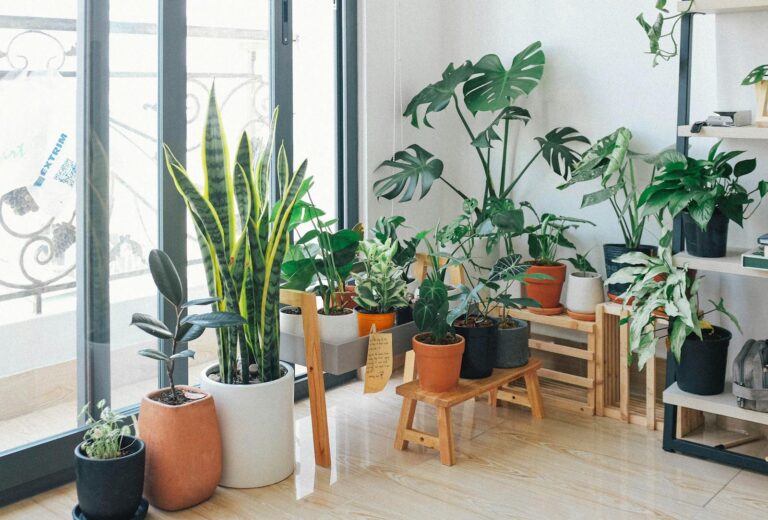
The snake plant, also known as Sansevieria or mother-in-law’s tongue, has become a beloved houseplant for many gardening enthusiasts. Not only is it visually striking with its tall, sword-like leaves, but it is also renowned for its low maintenance needs and air-purifying qualities. But did you know that the placement of your snake plant can significantly impact the energy of your home? Feng Shui experts have delved into the ideal locations for this resilient plant, helping you create a harmonious environment.
Understanding Feng Shui Basics
Feng Shui is an ancient Chinese practice that focuses on creating balance and harmony within a space by arranging elements to promote positive energy, or “chi.” The belief is that the placement of objects, including plants, can influence the flow of energy in your home, affecting everything from your mood to your overall well-being. When it comes to houseplants like the snake plant, proper placement can enhance the plant’s natural benefits while aligning with the principles of Feng Shui.
Where to Place Your Snake Plant
1. Living Room: The living room is often the heart of the home, making it an excellent place for a snake plant. According to Feng Shui principles, placing it in the corner of the room can help absorb negative energy, creating a more inviting atmosphere. If you’re looking to enhance social interactions, consider placing the snake plant in the social corner of your living space, which is typically the far right corner when standing at the entrance.
2. Bedroom: While some plants are discouraged in the bedroom due to their energy levels, the snake plant is an exception. Its air-purifying qualities can improve air quality and promote better sleep. To harness its energy effectively, place it on a bedside table or in a corner opposite your bed. Just be mindful not to place it too close to your head while sleeping, as its sharp leaves can be intimidating.
3. Home Office: If you’re working from home or need a dedicated workspace, consider placing a snake plant on your desk or in the office corner. This positioning encourages creativity and productivity while reducing stress. The plant’s ability to filter toxins from the air can also create a healthier work environment.
4. Entryway: The entryway is where energy enters your home, making it a crucial area in Feng Shui. Placing a snake plant near the entrance can help absorb negative energy from outside while welcoming positive energy into your home. Additionally, it adds a touch of greenery that can uplift the space.
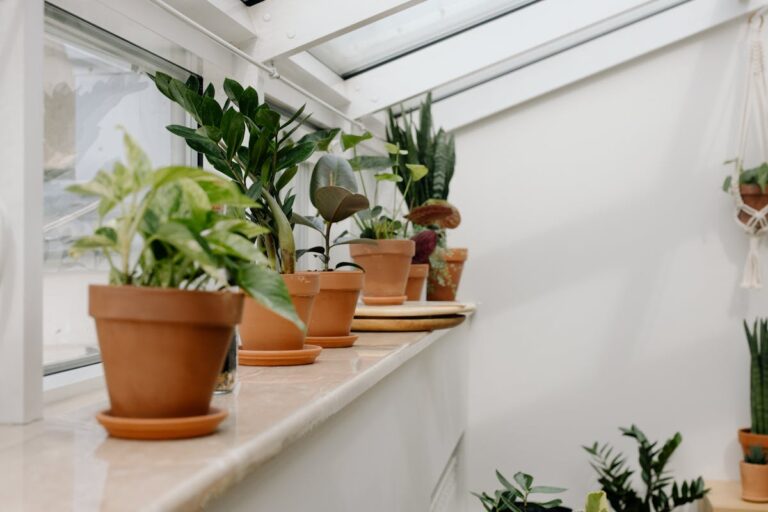
5. Bathroom: Surprisingly, the bathroom can be a great spot for a snake plant. Its ability to thrive in low-light conditions makes it ideal for spaces with limited natural light. Placing it on a shelf or near a window can enhance the energy of the bathroom while improving air quality.
Tips for Optimal Placement
Avoid Direct Sunlight: Snake plants prefer indirect sunlight, so avoid placing them in direct sunlight, which can scorch their leaves. A bright, well-lit room with filtered light is ideal.
Mind the Clutter: Feng Shui emphasizes the importance of decluttering. Ensure that the area around your snake plant is tidy, as clutter can impede the flow of positive energy.
Choose the Right Size Pot: The size of the pot can also influence energy flow. A pot that is too small may restrict the plant’s growth, while one that is too large can overwhelm the space. Choose a pot that is proportionate to the size of the plant and the area where it will reside.
Rotate Regularly: To promote even growth and maintain a balanced energy flow, rotate your snake plant every few weeks. This practice ensures that all sides of the plant receive equal light exposure.
Consider Color and Material: According to Feng Shui, colors and materials can affect the energy of a space. Choose pots that align with your desired energy. For instance, earthy tones and natural materials like clay or ceramic promote stability and grounding.
Common Mistakes to Avoid
Overwatering: One of the most common mistakes with snake plants is overwatering. These plants are drought-tolerant and prefer to dry out between waterings. Check the soil moisture before watering and ensure the pot has proper drainage.
Ignoring Signs of Stress: If your snake plant’s leaves start to yellow or droop, it may be a sign of stress. This could be due to overwatering, insufficient light, or a drafty location. Pay attention to these signs and adjust the plant’s care accordingly.
Neglecting Fertilization: While snake plants are low-maintenance, they still benefit from occasional fertilization. Use a balanced, diluted fertilizer during the growing season (spring and summer) to promote healthy growth.
Bringing It All Together
Incorporating a snake plant into your home not only beautifies your space but also aligns with the principles of Feng Shui to promote positive energy and well-being. By following the tips above and carefully selecting the best spots for your plant, you can create a harmonious environment that enhances both your home and your gardening experience. So, whether you’re a seasoned gardener or a beginner, let your snake plant thrive in its perfect spot and enjoy the benefits it brings to your home!