Discover the Jade Plant: 5 Reasons to Bring This Lucky Gem into Your Home
The jade plant, also known as Crassula ovata, is a popular choice among home gardeners, and for good reason. Not only is it a stunning succulent with its glossy green leaves and tree-like structure, but it also carries a rich history of symbolism and practical benefits. If you’re considering adding a jade plant to your home, here are five compelling reasons to do so.
1. Symbol of Good Luck and Prosperity
Originating from South Africa, the jade plant has long been associated with good fortune and prosperity in many cultures. In Feng Shui, it is often referred to as the “money tree” and is believed to attract wealth and abundance. Placing a jade plant in your home, especially in the southeast corner (the wealth corner), is said to enhance financial success. Even if you don’t subscribe to these beliefs, the jade plant can add a touch of positivity and charm to your living space.
2. Easy to Care For
For those new to gardening or those who may not have a green thumb, the jade plant is an excellent choice. It’s a low-maintenance succulent that thrives in a variety of conditions. Here are some basic care tips:
Light: Jade plants prefer bright, indirect sunlight. They can tolerate some direct sunlight, but too much can scorch their leaves. A south-facing window is often ideal.
Watering: Allow the soil to dry out completely between waterings. Overwatering is one of the most common mistakes with jade plants. In general, watering every two to three weeks should suffice, but adjust based on your home’s humidity and temperature.
Soil: Use a well-draining potting mix, ideally designed for succulents or cacti. This helps prevent root rot, a common issue with jade plants.
Temperature: Jade plants thrive in temperatures between 65°F and 75°F (18°C to 24°C) and should be protected from frost. In USDA zones 10-11, they can be grown outdoors year-round, while in cooler areas, they should be kept indoors during winter.
3. Air Purification Qualities
Another benefit of having a jade plant in your home is its ability to improve indoor air quality. Like many houseplants, jade plants can help filter out toxins from the air, making your living environment healthier. While they may not replace your air purifier, every little bit helps in creating a fresher atmosphere. This can be particularly beneficial in homes with limited ventilation or during the winter months when windows are often closed.
4. Aesthetic Appeal
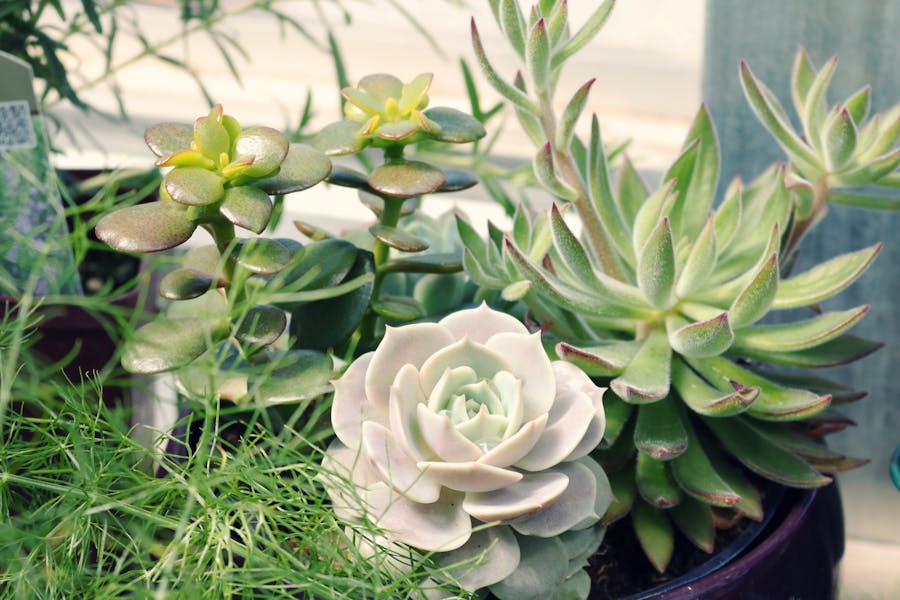
The jade plant’s unique, sculptural appearance makes it a delightful addition to any décor. With its thick, oval leaves and sturdy branches, it can serve as an eye-catching focal point on a windowsill, desk, or tabletop. The plant can also be pruned to maintain a desired shape or size, allowing you to customize its look. As it grows, the jade plant can even develop a lovely, tree-like form, making it a dynamic piece of living art in your home.
5. Educational Opportunities for Kids
If you have children, introducing a jade plant into your home can provide an excellent opportunity for them to learn about plant care and responsibility. Teaching kids how to water, prune, and care for a living thing can instill a sense of pride and accomplishment. Plus, jade plants grow relatively slowly, so they can observe the changes over time without the pressure of fast-growing plants.
Common Mistakes to Avoid
While caring for a jade plant is generally straightforward, there are some common pitfalls to avoid:
Overwatering: This is the most frequent issue for jade plant owners. Make sure to check that the soil is dry before watering and always use pots with drainage holes.
Insufficient light: If your jade plant starts dropping leaves or stretching towards the light, it may not be getting enough sunlight. Consider moving it to a brighter location.
Ignoring pests: While jade plants are relatively pest-resistant, they can occasionally attract mealybugs or spider mites. Regularly check your plant and treat any infestations promptly with insecticidal soap or neem oil.
Final Thoughts
The jade plant is more than just a beautiful addition to your home; it’s a symbol of luck, a low-maintenance companion, and an educational tool for young gardeners. Whether you’re a seasoned plant enthusiast or just starting, the jade plant offers a wealth of benefits that make it a worthwhile investment. Bring a little luck into your life and enjoy the beauty and practicality of this remarkable succulent.
So, why not find a cozy spot for a jade plant in your home today? You might just find that it brings more than just beauty to your space—it could also bring a bit of prosperity and joy!