Discover the “Lazy” Planting Trick That Makes Gardening Easier and More Enjoyable
Gardening is a labor of love, but it doesn’t have to be backbreaking work. Many gardeners are discovering the benefits of a “lazy” planting technique that not only reduces labor but also promotes healthier plants. This method is all about working smarter, not harder, and it can transform your gardening experience, especially for beginners and intermediate gardeners. Let’s explore this clever trick and how you can implement it in your own garden.
What is the “Lazy” Planting Trick?
The “lazy” planting trick is essentially a method known as “no-dig” or “lasagna gardening.” This approach minimizes soil disturbance and builds healthy soil layers, allowing beneficial microorganisms to thrive. Instead of turning over the soil and uprooting everything, you layer organic materials right on top of the ground, creating a rich, nutrient-dense environment for your plants.
By skipping the digging, you not only save time and effort but also protect the delicate soil structure, which is vital for sustaining healthy plant life. This technique is particularly appealing to those gardening in USDA zones 3-9, as it can be adapted to various climates and conditions.
How to Get Started with No-Dig Gardening
1. Choose Your Location: Look for a sunny spot in your garden. Most vegetables and flowering plants thrive in full sun, so aim for at least 6-8 hours of sunlight each day.
2. Prepare Your Base: Clear away any weeds or grass from the area where you want to plant. There’s no need to dig deep; just cut the tops off the weeds or lay down cardboard or newspaper to suppress them. This will smother the unwanted growth while enriching the soil over time.
3. Layer Your Materials: Start with a layer of coarse materials like straw or small branches, followed by a layer of green materials such as kitchen scraps, grass clippings, or manure. Next, add a layer of carbon-rich materials like dried leaves or shredded paper. Repeat these layers, alternating between green and brown materials, until you reach a height of about 12-18 inches.
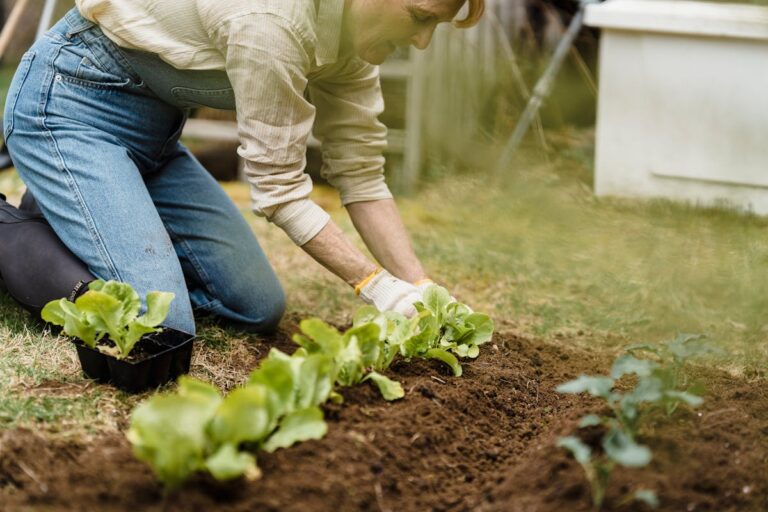
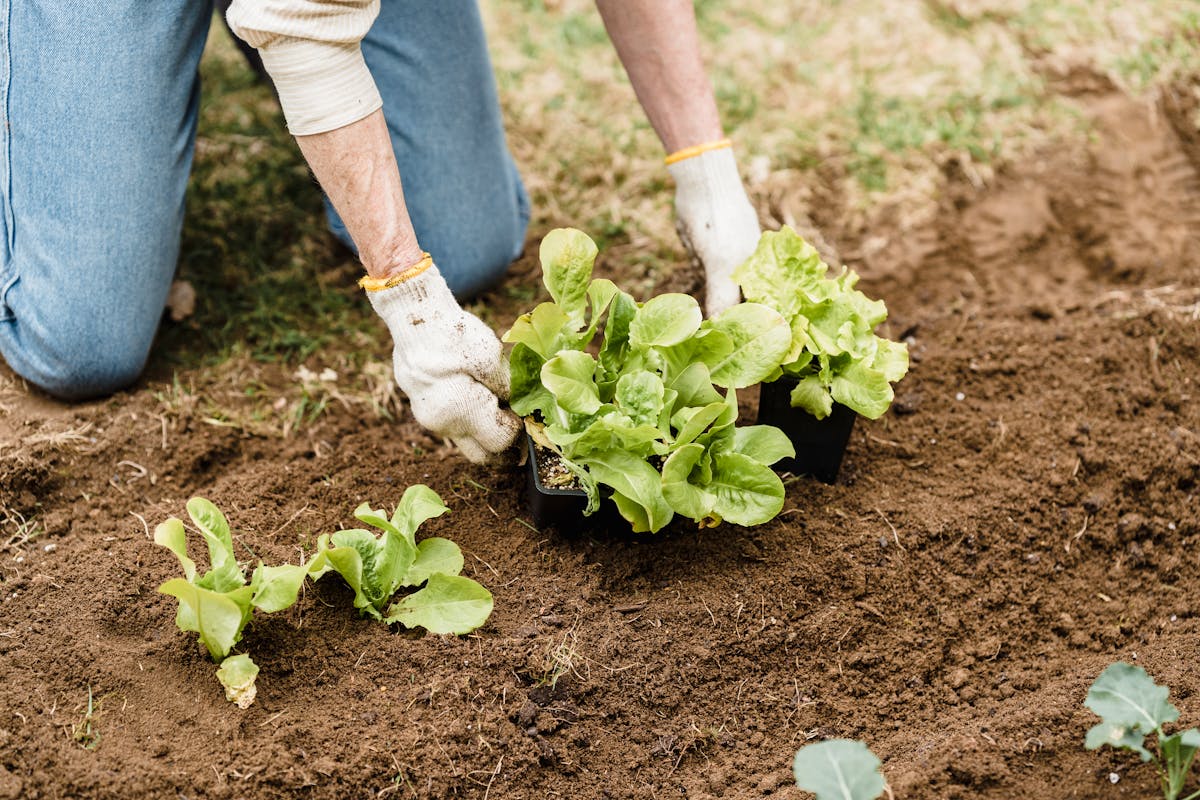
4. Top It Off: Finish with a layer of compost or well-rotted manure to provide a nutrient-rich surface for your plants. If you’re planting seeds, you can directly sow them into this rich layer. For transplants, make holes in the compost and place your plants directly into the layers.
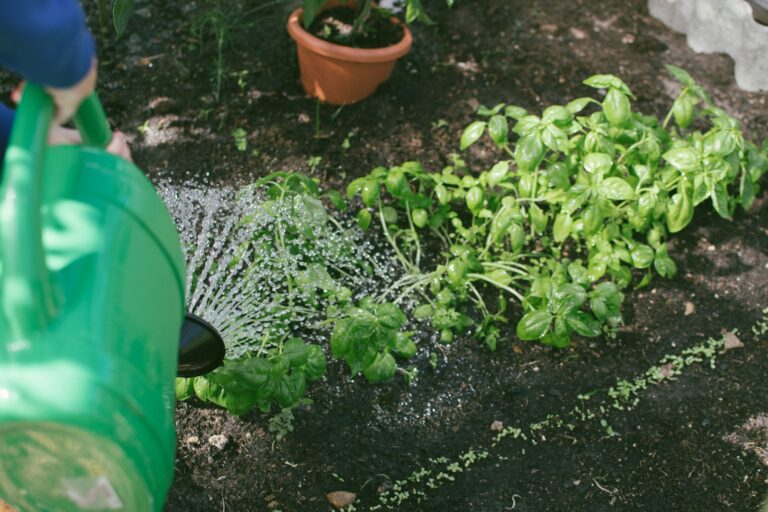
5. Water Wisely: After planting, give your garden a good soak to help settle the layers. Keep the area moist but not soggy, especially during the early stages of growth.
The Benefits of No-Dig Gardening
1. Less Labor: The most obvious advantage is the reduction in physical labor. No digging means fewer aches and pains, making it more enjoyable to spend time in your garden.
2. Improved Soil Health: By allowing the soil to remain undisturbed, you are helping to maintain the natural ecosystem within it. Earthworms and beneficial microbes thrive, leading to richer soil over time.
3. Better Water Retention: Layering organic materials helps retain moisture, reducing the need for frequent watering during hot spells. This is especially beneficial in warmer USDA zones where water conservation is crucial.
4. Reduced Weeds: The initial layers of cardboard or newspaper act as a barrier to weeds. As your garden matures, the thick layers of organic material will continue to suppress weed growth.
5. Sustainable Practices: This method encourages recycling kitchen scraps and yard waste, promoting a sustainable gardening approach that benefits both your plants and the environment.
Common Mistakes to Avoid
While the no-dig technique is relatively straightforward, there are still common pitfalls that can hinder your success:
Using Fresh Manure: Always use well-rotted manure, as fresh manure can burn plants due to its high nitrogen content.
Insufficient Layers: Make sure to build your layers adequately. If they’re too thin, they may not suppress weeds effectively or provide enough nutrients for your plants.
Neglecting Moisture: Newly established no-dig gardens need consistent moisture. Monitor the soil closely, especially during dry spells, to ensure your plants thrive.
Choosing the Wrong Plants: Some plants thrive better in no-dig conditions than others. Vegetables like tomatoes, peppers, and leafy greens are excellent choices. Avoid deep-rooted plants that may struggle to establish in a layered environment.
When to Start Your No-Dig Garden
The beauty of the no-dig method is that it can be implemented at various times throughout the year. For spring planting, prepare your layers a few weeks before your last frost date. This will give the materials time to settle and begin breaking down. In fall, you can create your no-dig garden in anticipation of the following spring, allowing the layers to compost over winter.
In Conclusion
Embracing the “lazy” planting trick not only simplifies gardening but also nurtures a thriving ecosystem in your backyard. This technique allows you to enjoy your gardening endeavors without the exhaustive labor often associated with traditional methods. So grab those kitchen scraps and start layering – your plants will thank you!