Discover the Perfect Perennial: Indoor Plants That Flourish in the Chilly Corners of Your Home

Indoor gardening can be a rewarding pastime, especially when you find plants that thrive in less-than-ideal conditions. For many home gardeners, cold corners and dim areas of the home can pose a challenge, but fear not! There are perennial indoor plants that not only survive but thrive in these spaces. In this article, we’ll explore some of the best options for those chilly nooks, ensuring your indoor garden remains vibrant and lush year-round.
Understanding Cold Corners in Your Home
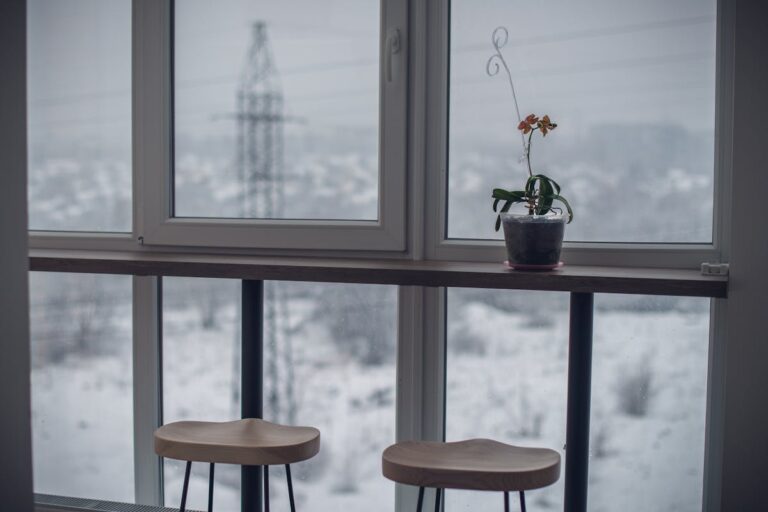
Before diving into the plant selections, it’s important to understand what we mean by “cold corners.” These are typically areas that receive little natural light, may have drafts, or are cooler than other parts of the house. Think of spaces near windows that are not well-insulated or rooms that are unheated during winter months. While many houseplants prefer warm, bright environments, certain perennials are perfectly suited for these less hospitable conditions.
The Best Perennial Plants for Cold Corners
1. ZZ Plant (Zamioculcas zamiifolia)
The ZZ plant is a true champion of low-light conditions. With its glossy, dark green leaves, it can tolerate neglect and thrives on minimal care. It prefers well-drained soil and should be watered only when the top inch feels dry. This makes it ideal for busy gardeners or those new to indoor plants. Just keep it away from overly wet conditions, as it’s prone to root rot.
2. Snake Plant (Sansevieria trifasciata)
Known for its striking upright leaves, the snake plant is another resilient choice for cold corners. It can survive in low light and requires infrequent watering. These plants are also excellent air purifiers, making them a great addition to any room. They do best in well-draining potting mix and should be watered when the soil is completely dry.
3. Pothos (Epipremnum aureum)
Pothos is a versatile perennial that can adapt to various light conditions, including low light. Its trailing vines can create beautiful displays in hanging pots or on shelves. Pothos thrives in a wide range of temperatures and humidity levels, making it a forgiving option for beginners. Water when the top of the soil is dry, and avoid overwatering to prevent root issues.
4. Cast Iron Plant (Aspidistra elatior)
Aptly named for its durability, the cast iron plant is perfect for those cold and dark corners. It can withstand neglect, low light, and varying temperatures. This plant has long, arching leaves and adds a touch of greenery without demanding much care. Water sparingly, allowing the soil to dry out between waterings, and it will reward you with years of low-maintenance beauty.
5. Chinese Evergreen (Aglaonema)
Chinese evergreens are known for their stunning foliage, which can vary in color and patterns. They thrive in low-light conditions and are very forgiving when it comes to watering. These plants prefer humid environments, so if your home is particularly dry, consider placing a pebble tray filled with water beneath the pot to increase humidity. Water when the soil feels dry to the touch, and avoid letting it sit in water to prevent root rot.
Tips for Caring for Indoor Plants in Cold Corners
1. Monitor Temperature
While many of the plants mentioned can tolerate cooler temperatures, it’s wise to keep them out of direct drafts from windows or doors. A constant temperature of 60-75°F is ideal for most indoor plants.
2. Adjust Watering Habits
Plants in colder areas tend to use less water due to lower light levels and slower growth. Always check the moisture level in the soil before watering, and err on the side of underwatering rather than overwatering.
3. Consider Lighting Options
If your cold corners are particularly dark, you might want to consider supplemental lighting. Grow lights can provide the necessary light spectrum for healthy growth without generating too much heat.
4. Fertilization Needs
Perennial plants in low-light conditions generally require less fertilization. During the growing season (spring and summer), use a diluted, balanced fertilizer once a month. Reduce or eliminate fertilization in winter when growth typically slows.
5. Repotting
While many of these plants grow slowly, it’s important to repot them every couple of years or when they outgrow their containers. Choose a slightly larger pot with fresh potting mix to provide nutrients and allow for root expansion.
Common Mistakes to Avoid
Overwatering: This is perhaps the most common issue with indoor plants. Always ensure pots have drainage holes, and be cautious about the frequency of watering.
Ignoring Pests: Even resilient plants can fall victim to pests. Regularly inspect your plants for signs of pests like spider mites or aphids, especially during the growing season.
Neglecting Dust: Dust can accumulate on leaves, reducing their ability to photosynthesize. Gently wipe leaves with a damp cloth to keep them clean and healthy.
By selecting the right perennial plants and following these care tips, you can create a thriving indoor garden even in the coldest corners of your home. Remember to observe your plants and adjust your care routine as needed. With a little patience and love, those once neglected areas can become vibrant showcases of greenery. Happy gardening!