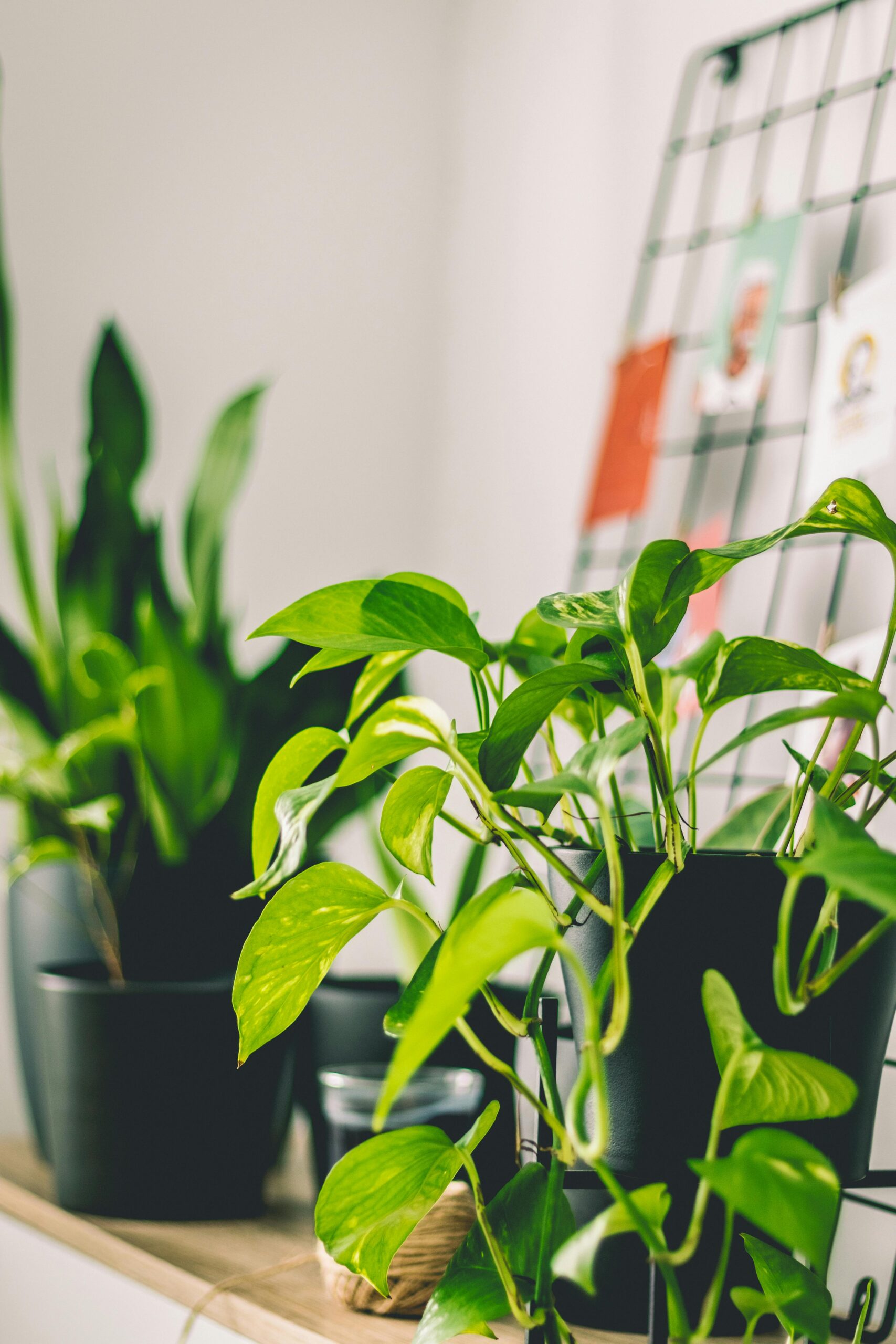
Discover the Resilient Pothos: Your Go-To Indoor Plant for Cold Corners

If you’ve ever struggled to find an indoor plant that can thrive in the cooler, less sunny spots of your home, look no further than the pothos. This versatile and hardy plant, scientifically known as Epipremnum aureum, has become a favorite among home gardeners and indoor plant enthusiasts alike. Not only does it boast stunning heart-shaped leaves and a trailing growth habit, but it also adapts well to various light conditions, making it perfect for those tricky corners of your home.
Understanding Pothos
Pothos is known for its resilience and forgiving nature, which is ideal for both beginner and intermediate gardeners. It can survive in low light and tolerate periods of neglect, making it a staple for busy households or those who are just starting their gardening journey. Originating from the Solomon Islands, this tropical plant is a member of the Araceae family and can grow both indoors and outdoors in suitable climates.
Selecting the Right Spot
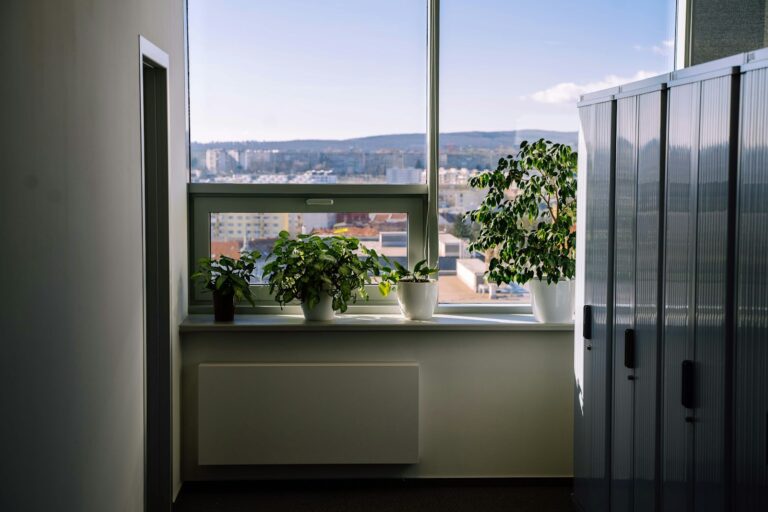
To ensure your pothos thrives, it’s essential to choose the right location in your home. While they prefer bright, indirect light, they can also adapt to lower light conditions, which is why they’re perfect for cold corners. However, keep in mind that very low light can stunt growth, so it’s a balancing act.
If you notice your pothos becoming leggy or losing its vibrancy, it may need a little more light. Conversely, if your plant starts to scorch, it might be getting too much direct sunlight. Aim for a spot near a window that filters light, or use sheer curtains to diffuse bright sunlight.
Watering Your Pothos
One of the most common mistakes with pothos care is overwatering. This plant prefers to dry out slightly between waterings, so always check the top inch of soil before adding more water. If the soil feels dry, it’s time for a drink. Pothos can be forgiving, but consistent overwatering can lead to root rot, a common issue that can jeopardize your plant’s health.
During the winter months, you may find that your pothos requires less frequent watering due to lower light levels and cooler temperatures. As a general rule, watering every 1-3 weeks should suffice, but always adjust based on your specific indoor conditions.
Soil and Fertilization
Choosing the right soil is crucial for healthy pothos growth. A well-draining potting mix is ideal, often containing a blend of peat moss, perlite, and vermiculite. This combination helps retain moisture while preventing water from sitting around the roots.
When it comes to fertilization, pothos are relatively low-maintenance. During the growing season (spring and summer), you can feed your plant with a balanced, water-soluble fertilizer every 4-6 weeks. In the fall and winter, reduce or eliminate fertilization, as the plant’s growth slows down.
Pruning and Propagation
Pothos plants can grow quite long, and regular pruning helps maintain their shape and encourages bushier growth. If you notice long, trailing vines, don’t hesitate to trim them back. You can also use these cuttings to propagate new plants. Simply place the cuttings in a glass of water, ensuring that a few nodes are submerged, and watch as roots develop over time.
To propagate directly in soil, plant the cuttings in a small pot filled with potting mix and keep the soil consistently moist until new growth appears. This is a fun way to expand your indoor garden or share plants with friends and family!
Common Pothos Problems
While pothos are generally easy to care for, they can still face a few issues. Here are some common problems to watch for:
1. Yellowing Leaves: This may indicate overwatering or poor drainage. Check the soil moisture and adjust your watering routine accordingly.
2. Brown Tips: This can be a sign of underwatering or low humidity. Ensure that your pothos is adequately watered and consider misting the leaves or using a humidifier if your indoor air is particularly dry.
3. Pests: Like many indoor plants, pothos can attract pests such as spider mites or mealybugs. Regularly inspect your plant for signs of infestation and treat with insecticidal soap or neem oil if necessary.
Caring for Your Pothos in Winter
As temperatures drop, it’s essential to care for your pothos to ensure it remains healthy through the winter months. Keep your plant away from cold drafts, such as those from windows or doors that frequently open. If your home tends to be dry in winter, consider placing a humidity tray beneath the pot or grouping your pothos with other plants to create a more humid microclimate.
Additionally, be mindful of your heating sources. If your pothos is near a radiator or heating vent, it might dry out faster, so adjust its placement as needed.
Final Thoughts
Pothos is an excellent choice for anyone looking to add greenery to their home, especially in those cold, dimly lit corners. With its easy care requirements and ability to adapt to various conditions, it’s no wonder this plant has become a household favorite. By following the tips outlined in this article, you can ensure your pothos thrives and continues to bring life into your home, no matter the season. Embrace the beauty and resilience of pothos, and enjoy the journey of indoor gardening!
Happy planting!