Discover the Revolutionary Space-Saving Gardening Technique Taking 2026 by Storm

As gardening continues to evolve, so do the methods we use to cultivate our beloved plants. In 2026, a new space-saving gardening technique is rapidly gaining traction among both novice and seasoned gardeners, and pro gardeners everywhere are singing its praises. This innovative approach not only maximizes small spaces but also enhances the overall efficiency of gardening. Let’s delve into this game-changing method and explore how you can incorporate it into your own gardening routine.
Understanding the Space-Saving Method
At its core, the space-saving gardening method focuses on maximizing productivity in minimal areas. It can be particularly appealing to urban dwellers or those with limited yard space. This technique combines elements of vertical gardening, container gardening, and square foot gardening, making it a versatile choice for various gardening styles.
Vertical Gardening
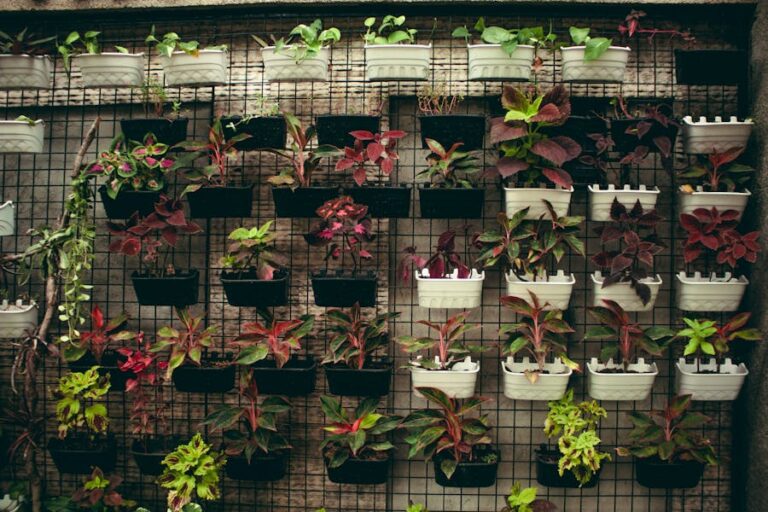
One of the key components of this innovative method is vertical gardening, which utilizes walls, trellises, and other structures to support climbing plants. By growing upwards instead of outwards, you can significantly increase your planting area without requiring additional ground space. For instance, consider planting indeterminate varieties of tomatoes, cucumbers, or pole beans, which are ideal candidates for vertical growth.
Container Gardening
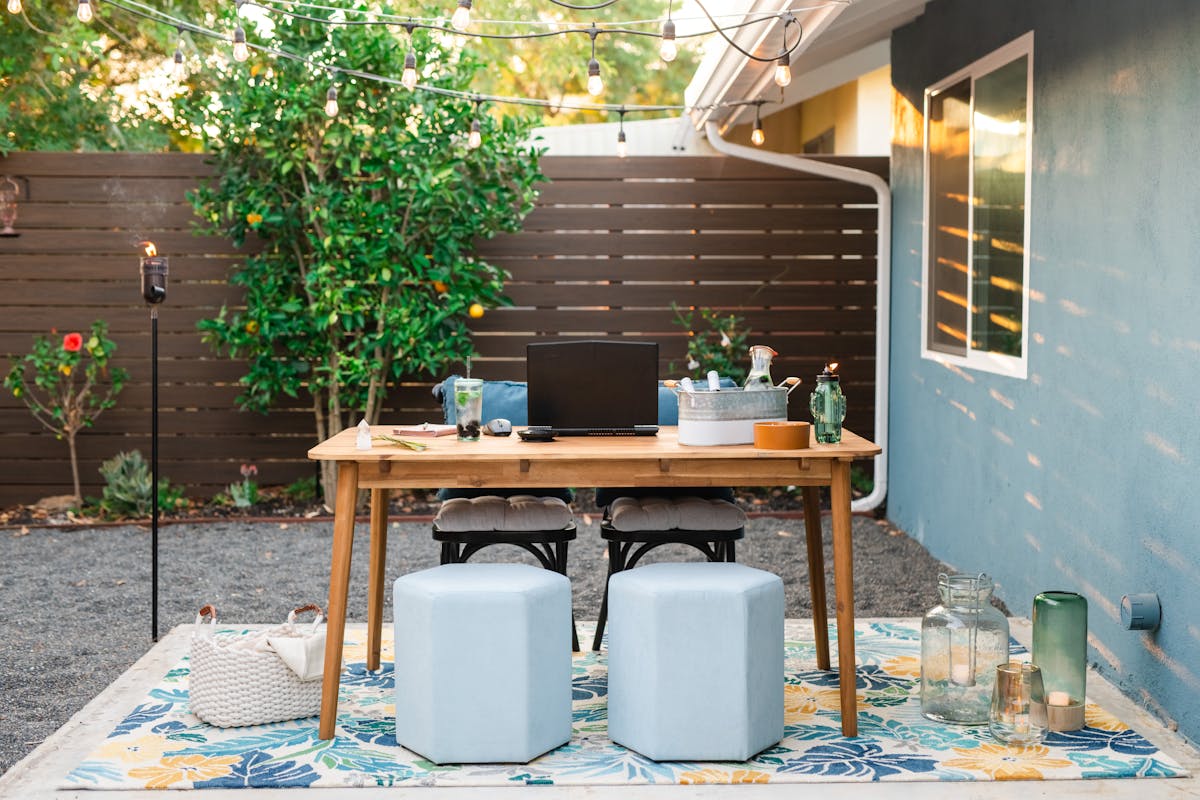
Another essential aspect is container gardening. Using pots, raised beds, or even repurposed materials (like old pallets or crates), gardeners can create a more efficient planting layout. Containers allow for better soil management, easier maintenance, and the flexibility to move plants around for optimal sunlight exposure. You can create a stunning container garden on a balcony, patio, or even a small yard.
Square Foot Gardening
Finally, the square foot gardening technique encourages planting in small, defined sections of a garden bed. Instead of traditional row planting, this method divides a garden into square foot sections, allowing for intensive planting of diverse crops. For example, you could plant one square foot with carrots, another with lettuce, and yet another with radishes. This maximizes your harvest while minimizing the space required.
Getting Started with Space-Saving Gardening
If you’re eager to try this space-saving gardening method, here are some practical steps to help you get started.
1. Choose Your Location
Identify a suitable area for your garden. It can be a small patch in your yard, a balcony, or even indoors near a sunny window. Ensure the location receives adequate sunlight, as most vegetables and flowers thrive with at least 6 hours of direct sun each day.
2. Select Your Containers
Decide on the type of containers you want to use for your plants. Ensure they have good drainage and are made from materials that won’t leach harmful chemicals. Terracotta, wood, and certain plastics are popular choices. If you opt for vertical gardening, find sturdy trellises or wall-mounted planters to support your climbing plants.
3. Choose Your Plants Wisely
Select plants that are suitable for your growing conditions and that can thrive in confined spaces. Leafy greens, herbs, radishes, and dwarf varieties of vegetables are excellent choices. Consider companion planting to maximize space and yield—some plants can benefit each other when grown closely.
4. Plan Your Layout
Sketch out a plan for your garden. In a square foot gardening layout, divide your space into sections based on the plants you want to grow. Remember to account for the mature size of your plants to avoid overcrowding. For vertical gardens, plan which plants will climb and how you will support them.
5. Prepare Your Soil
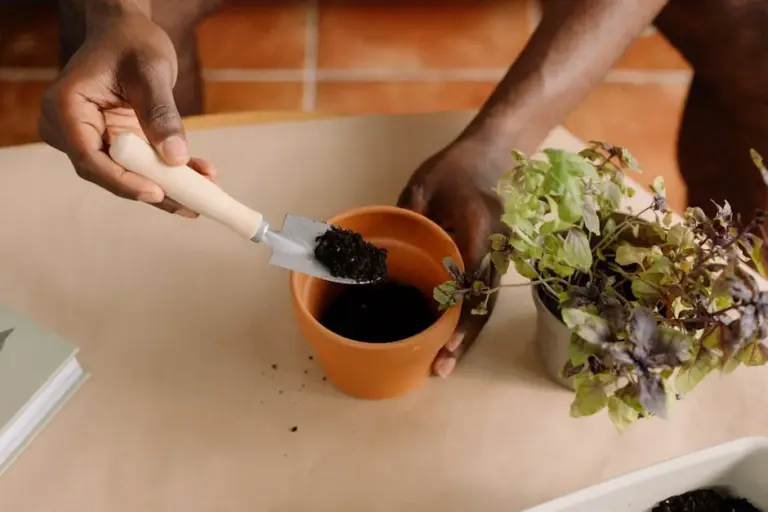
Good soil is the foundation of a successful garden. Use high-quality potting soil for containers, and enrich it with compost or organic matter to ensure your plants have the necessary nutrients. If you’re using a raised bed, mix native soil with compost for the best results.
6. Maintain Your Garden
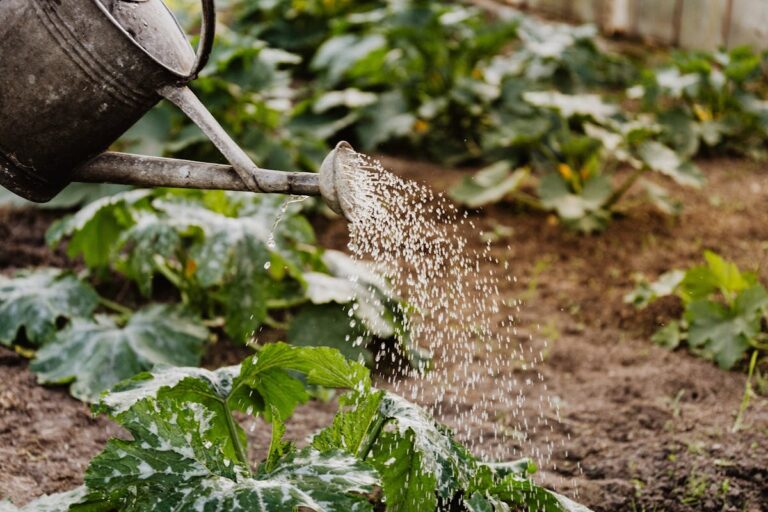
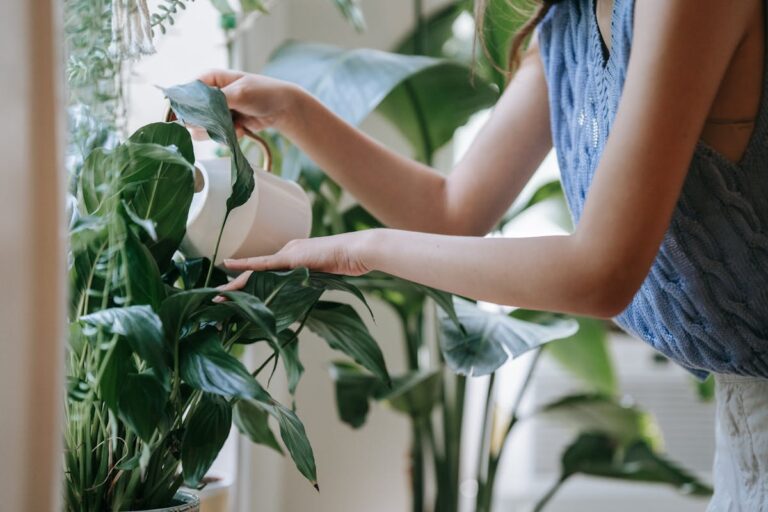
Regular maintenance is key to the success of your space-saving garden. Water your plants appropriately, and monitor for pests. Container plants may require more frequent watering due to faster evaporation. Fertilize as needed, and practice crop rotation to keep the soil healthy.
Common Mistakes to Avoid
While the space-saving gardening method is designed to be straightforward, here are a few common pitfalls to avoid:
Overcrowding
One of the most frequent mistakes is planting too many plants in a small area. Each plant requires sufficient space for growth, both above and below ground. Follow spacing guidelines for each type of plant to ensure they develop healthily.
Ignoring Sunlight Needs
Before planting, assess the sunlight requirements of your chosen plants. Some may thrive in full sun, while others prefer partial shade. Misjudging light conditions can result in stunted growth or poor yields.
Neglecting Watering
Container plants can dry out quickly, especially in hot weather. Always keep an eye on soil moisture and water your plants consistently. Consider using self-watering containers if you have a busy schedule.
Forgetting to Rotate Crops
In square foot gardening, rotating crops each season helps prevent soil depletion and reduces pest problems. Make a note of where you planted each crop and adjust your layout for the following year.
Embrace the Future of Gardening
As we move deeper into 2026, the space-saving gardening method is set to transform how we think about gardens, especially in urban settings. By utilizing vertical structures, containers, and strategic planting layouts, you can cultivate a thriving garden, no matter how limited your space may be.
So roll up your sleeves, get creative, and start exploring the possibilities of space-saving gardening. Your green thumb will thank you!