Discover the Vibrant Charm of Chinese Fringe Flower: Your New Favorite Evergreen Shrub

The Chinese fringe flower (Loropetalum chinense) is a stunning evergreen shrub that brings a burst of color to gardens each spring. With its unique, frilly blooms and vibrant foliage, this plant is not just a feast for the eyes; it’s also a practical choice for home gardeners looking to add year-round interest to their landscape. Let’s dive into everything you need to know about cultivating this beautiful shrub in your garden.
What is Chinese Fringe Flower?
Native to China and Japan, the Chinese fringe flower has gained popularity in North American gardens for its striking appearance and adaptability. This shrub typically grows to a height of 3 to 10 feet, depending on the variety, and can spread anywhere from 3 to 8 feet wide. Its leaves are dark green, and in some cultivars, they can take on a purple hue, creating a lovely contrast with its spectacular flowers.
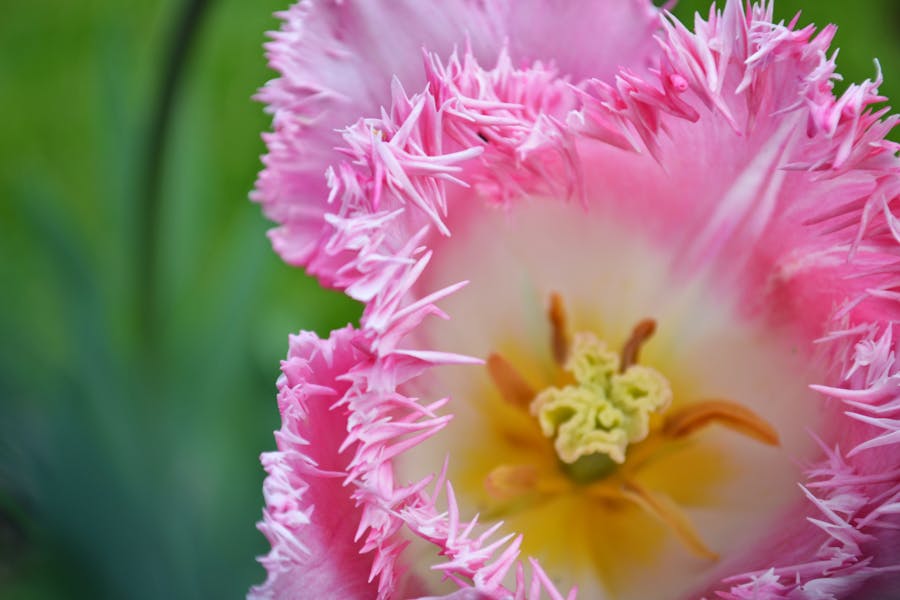
The fringe flower blooms in early spring, showcasing delicate, ribbon-like petals that cluster in vibrant shades of pink, white, or red. The flowers attract pollinators like bees and butterflies, making this shrub a great choice for wildlife-friendly gardens.
Growing Conditions
When planting your Chinese fringe flower, consider the following conditions to ensure healthy growth:
Sunlight: This shrub thrives in full sun to partial shade. Ideally, it should receive at least 4 to 6 hours of direct sunlight per day for optimal blooming.
Soil: The Chinese fringe flower prefers well-draining soil with a slightly acidic to neutral pH. While it can tolerate a variety of soil types, heavy clay or overly wet soils should be avoided as they can lead to root rot.
Watering: Regular watering is crucial, especially during the first few years as the plant establishes itself. While the Chinese fringe flower is somewhat drought-tolerant once mature, it’s best to keep the soil consistently moist but not soggy during dry spells.
Planting Tips
1. Timing: The best time to plant your Chinese fringe flower is in the spring or fall. Spring planting allows the shrub to establish before the heat of summer, while fall planting gives it a head start before winter dormancy.
2. Spacing: Depending on the variety, ensure you space your shrubs adequately. Smaller varieties can be planted 3 to 4 feet apart, while larger ones should have at least 5 to 6 feet of space to grow comfortably.
3. Mulching: Applying a layer of mulch around the base of your shrub can help retain moisture, suppress weeds, and regulate soil temperature.
Pruning and Maintenance
Pruning is essential for keeping your Chinese fringe flower healthy and encouraging more blooms. Here are some tips on how to maintain your shrub:
When to Prune: The best time to prune is right after flowering in late spring or early summer. This timing allows you to shape the plant while avoiding the loss of blooms for the next season.
How to Prune: Remove any dead or damaged branches and trim back long or leggy growth to promote a fuller shape. Aim to maintain an open structure to allow air circulation, which helps prevent pests and diseases.
Fertilizing: A balanced fertilizer can be applied in early spring to encourage growth. Opt for a slow-release, granular fertilizer to avoid overwhelming the plant. Follow the manufacturer’s instructions for proper application rates.
Common Pests and Problems
While the Chinese fringe flower is relatively pest-resistant, it can occasionally face issues such as aphids, spider mites, and scale insects. Regularly inspecting your plants and managing any pest infestations promptly can help keep your shrub healthy.
Additionally, be on the lookout for fungal diseases, particularly in overly wet conditions. Ensuring good air circulation and avoiding overhead watering can significantly reduce the risk of these problems.
Designing with Chinese Fringe Flower
The Chinese fringe flower’s versatility makes it an excellent choice for various garden styles. Here are some design tips to incorporate this shrub effectively:
Foundation Planting: Use it as a foundation plant to anchor the corners of your home or as part of a mixed border.
Hedge or Screen: Plant multiple shrubs to create an attractive privacy hedge or screen. The evergreen nature of the plant ensures it provides year-round coverage.
Container Gardening: Smaller varieties can be grown in containers, adding a pop of color to patios or decks. Make sure to choose a pot with good drainage and monitor watering closely.
Final Thoughts
With its bold blooms and evergreen foliage, the Chinese fringe flower is an eye-catching addition to any garden. Whether you’re a beginner or an intermediate gardener, this resilient shrub is relatively easy to care for and adaptable to various conditions. By following the tips outlined above, you can enjoy the vibrant beauty of the Chinese fringe flower for years to come, enhancing your outdoor space with its stunning display each spring.