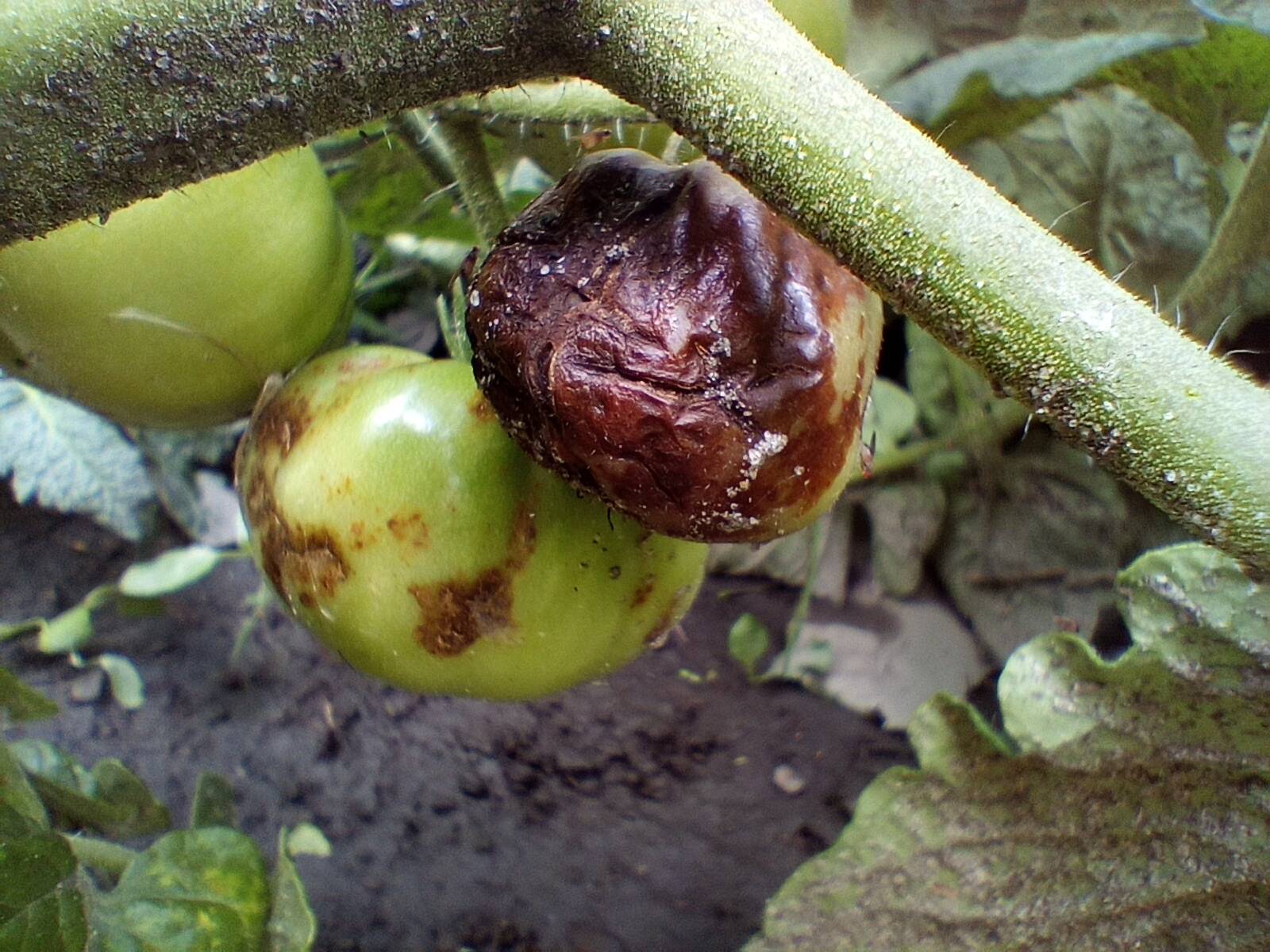
Diseased Tomato Plants Belong in the Trash, Not the Compost, Unless the Pile Reaches Near 150 Degrees, UConn’s Dawn Pettinelli Says
Compost piles in most backyards do not get nearly hot enough to kill plant diseases, according to the University of New Hampshire Extension’s Yard and Garden Infoline. That is why Dawn Pettinelli of the University of Connecticut says diseased tomato plants should be collected, bagged and thrown in the trash rather than composted, unless the pile is assured to reach close to 150 degrees Fahrenheit.
Pettinelli manages UConn’s Home & Garden Education Center and Soil Nutrient Analysis Laboratory. Her advice appears in a fall garden care column, and several other extension services say the same thing.
The 150-Degree Line
Hot composting can reach the temperatures that destroy pathogens, but the New Hampshire infoline says most backyard piles do not fall into that category. The cold piles that are the most common, its volunteers write, do not usually get hot enough to kill plant pathogens.
Pettinelli’s threshold is close to 150 degrees. Below it, she says, disease spores survive the decomposition process.
Iowa State University Extension lands in the same place in a Yard and Garden answer on diseased debris. Home piles, it says, seldom get high enough to kill weed seeds and disease pathogens, while commercial composting facilities reach temperatures that do.
What Survives the Pile
The risk is not the dead plant itself but what is on it. Pettinelli warns that spores which survive composting go on to reinfect plants in beds treated with the finished compost.
Nick Volesky, a field specialist with South Dakota State University Extension, writes in a fall vegetable garden cleanup guide that many fungal and bacterial pathogens can survive on decaying plant debris and should not be composted. Many plant pathogens, the guide adds, survive winter conditions and serve as an early source of infection for the next season’s crops.
Tomatoes are a common casualty. The Maryland Grows blog of University of Maryland Extension notes that many vegetable plants are great disease hosts.
Trash, Fire or a City Pile
For a home gardener, the options are a short list. Pettinelli says bag diseased tomato plants and put them in the trash. Volesky says diseased debris should be bagged and disposed of in the trash or burned, where burning is allowed.
The New Hampshire infoline suggests sending all diseased plant material to the transfer station instead of the compost pile, to reduce infections the next season.
Iowa State’s answer points to municipal or commercial composting: diseased debris can go into biodegradable bags for a facility whose higher heat destroys the pathogens. Erica Smith, a Montgomery County Master Gardener, makes the same point in a Maryland Grows post on cleaning up the vegetable garden in fall. Municipal composting is a safer route than a home pile, she writes, because some fungal diseases survive home composting. In some cases, Smith says, the plant material should simply go in the trash, and a plant with an infection that cannot be identified is better thrown out.
What Still Belongs in the Pile
Not every plant problem is a reason to skip the compost. Volesky says viruses and phytoplasmas cannot live outside a living host and can be safely composted. Disease-free plant residue can also be added to a compost pile and used to finish compost for future growing seasons.
Smith agrees that healthy material can be shredded and composted. She adds that mature seeds should stay out.
The dividing line, in other words, is fungal and bacterial disease, which is what most tomato problems look like at the end of the season.
Pulling the Tomato Bed Clean
The same experts want the plants out of the bed soon after they decline. Smith says to remove sick plants, or at least the affected parts, as soon as disease shows, and to pull summer crops such as tomatoes once they fade rather than keep them going into late fall.
Volesky says plants affected by disease should come out of the garden, including the root system whenever possible, and should not be left to decompose where they grew. Seeds should not be saved from diseased plants, he adds, because some pathogens are seedborne.
With the plants bagged and the bed cleared, the compost pile stays reserved for healthy material, and the next season’s tomatoes start without last year’s spores in the finished compost.
Get stories like this by email. Sign up for The Parent Diaries Letter.
This article was produced with AI assistance and edited for accuracy against the sources linked above.
Image: Natalka Ukraine (baby-bear.org) – CC BY 4.0/Wikimedia Commons