Ditch the Pebble Trays: Effective Ways to Boost Humidity for Your Plants
Creating the ideal environment for houseplants is crucial for their growth and overall health. While many plant enthusiasts have relied on pebble trays to increase humidity levels, they often fall short of providing the moisture that plants truly need. Instead of sticking with this outdated method, let’s explore more effective alternatives to ensure your green companions thrive, especially in drier indoor conditions.
Understanding Humidity Needs
Before diving into alternatives, it’s essential to understand why humidity matters for plants. Most houseplants, particularly tropical varieties, thrive in humidity levels between 40% and 60%. Unfortunately, indoor environments, especially during winter months or in air-conditioned spaces, can drop significantly below these levels. Low humidity can lead to problems such as leaf drop, brown leaf tips, and overall poor plant health.
Pebble trays, which involve placing pebbles in a shallow tray filled with water and setting pots on top, are a common solution. However, they often fail to generate enough humidity. The water evaporates slowly and may not raise the humidity in the immediate vicinity of the plant significantly. So, what can you do instead?
Group Your Plants
One of the simplest ways to boost humidity is to group your plants together. When plants are close to one another, they create a microclimate that retains moisture. As each plant transpires, it releases water vapor into the air, increasing local humidity levels. This method is not only effective but also adds an aesthetically pleasing element to your indoor garden.
When grouping plants, consider their light and water requirements to ensure they all thrive together. Cluster plants that enjoy similar conditions, such as ferns and peace lilies, to maximize the benefits.
Utilize Humidifiers
Investing in a humidifier can be a game-changer, particularly in regions that experience low humidity or during winter months. A humidifier adds moisture to the air, creating the ideal environment for many houseplants. There are several types of humidifiers available, including:
1. Cool Mist Humidifiers: Ideal for larger spaces, these units disperse a fine mist of water vapor, effectively raising humidity levels throughout the room.
2. Ultrasonic Humidifiers: Quiet and energy-efficient, these models use high-frequency vibrations to produce a cool mist, making them suitable for bedrooms or offices.
3. Evaporative Humidifiers: Utilizing a fan to blow air through a wet wick or filter, these units can provide consistent humidity.
When using a humidifier, aim for humidity levels between 40% and 60%. You can easily monitor this with a hygrometer, a device that measures humidity levels in your space.
Misting Your Plants
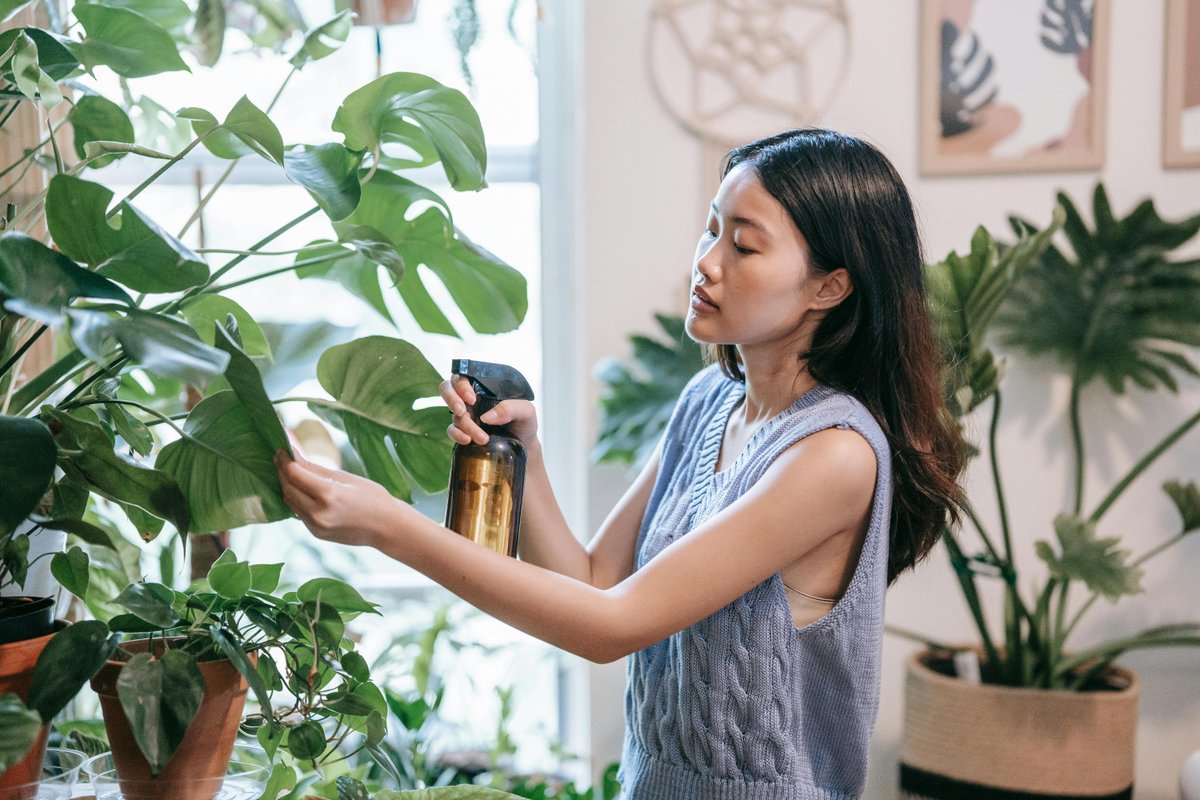
While misting is often viewed as a quick fix, it can be effective when done correctly. Regularly misting your plants can help increase humidity in their immediate environment. However, misting should be approached with caution—too much moisture on the leaves can lead to fungal issues or pests.
To mist effectively:
Use lukewarm water to avoid shocking the plant.
Mist in the morning to allow any excess water to evaporate before evening, reducing the risk of mildew.
Choose a fine mist setting to ensure even coverage over the foliage.
Keep in mind that misting is best suited for plants that thrive in high humidity, such as ferns, orchids, and tropical houseplants.
Create a Terrarium
If you’re looking for a creative way to maintain humidity, consider creating a terrarium. These miniature ecosystems trap moisture within their enclosed space, creating a humid environment that’s perfect for certain plants. You can use a glass container, such as a jar or a specialized terrarium vessel.
To create a successful terrarium:
1. Choose the Right Plants: Opt for humidity-loving plants like mosses, ferns, and small tropical species.
2. Layering: Start with a layer of small pebbles for drainage, followed by activated charcoal to keep the air fresh. Add a layer of potting soil and then your plants.
3. Seal the Container: If using a closed terrarium, seal it to maintain humidity levels. Open it occasionally to prevent mold growth and to allow for air circulation.
Terrariums can be a beautiful focal point in your home while providing the necessary humidity for your plants.
Water Wisely
Proper watering techniques can also contribute to maintaining humidity levels around your plants. Overwatering can lead to root rot, while underwatering can stress your plants. A good rule of thumb is to allow the top inch of soil to dry out before watering again. When you do water, consider using a method that encourages evaporation, such as bottom watering.
To bottom water, place your potted plant in a tray of water and allow the soil to soak up moisture from the bottom. This method can help maintain humidity levels around the plant while ensuring that the roots receive adequate moisture.
Final Thoughts
Moving away from pebble trays opens up a world of effective methods to boost humidity for your houseplants. From grouping plants and investing in humidifiers to creating terrariums and utilizing proper watering techniques, there are numerous ways to create a more hospitable environment for your green friends.
By understanding the specific needs of your plants and implementing these strategies, you can foster a thriving indoor garden that flourishes throughout the year. Remember to monitor humidity levels and adjust your methods as necessary to ensure your plants remain healthy and vibrant. Happy gardening!