Don’t Let Crowded Seedlings Stunt Your Garden: Mastering Spacing for Thriving Plants
Growing your own garden from seeds is an exciting venture, but there’s one common mistake that can lead to disappointment: overcrowding your seedlings. Whether you’re cultivating vegetables, herbs, or flowers, proper spacing is crucial for healthy growth. In this article, we’ll explore the importance of seedling spacing, how to determine the right distance for various plants, and tips for managing your garden effectively.
Understanding Seedling Crowding
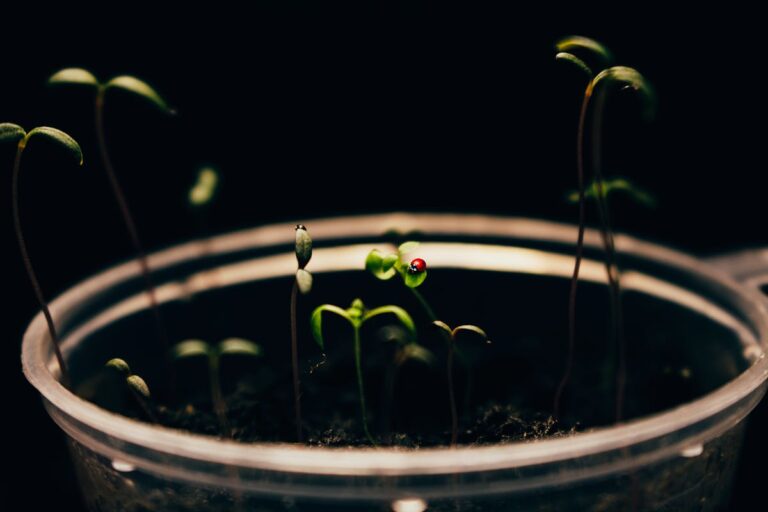
When seedlings are sown too closely together, they compete for essential resources such as light, water, and nutrients. This competition can lead to stunted growth, weak plants, and ultimately, a reduced yield. In a crowded environment, seedlings may become leggy as they stretch towards the light, resulting in fragile stems and poor overall health.
Each plant species has its own specific spacing requirements, which are influenced by factors such as mature size, growth habit, and root structure. Ignoring these requirements can lead to significant issues down the line.
Determining Spacing Needs
As a general rule, the spacing requirements for seedlings can often be found on the seed packet or in gardening guides. Here’s a quick overview of common garden plants and their typical spacing needs:
1. Vegetables:
Tomatoes: Space seedlings 18-24 inches apart. They need ample room for air circulation and sun exposure.
Peppers: Allow 12-18 inches between plants to ensure they have enough space to grow robustly.
Lettuce and Salad Greens: These can be planted closer together, around 6-12 inches apart, as they have a shorter growth cycle and can be harvested repeatedly.
2. Herbs:
Basil: Space 12 inches apart to promote healthy growth.
Cilantro: Can be spaced about 6 inches apart, as they don’t require as much room as larger plants.
3. Flowers:
Marigolds: Typically need about 10-12 inches of space to thrive.
Zinnias: Depending on the variety, space anywhere from 12-24 inches apart.
Keep in mind that these are general guidelines, and it’s always best to check the specific requirements for the varieties you’re growing.
The Risks of Overcrowding
Besides stunted growth, overcrowding can lead to several other problems:
Increased Pest and Disease Pressure: Dense plantings create a humid environment that can foster fungal diseases and attract pests. Good air circulation is vital for preventing these issues.
Nutrient Deficiencies: When plants compete for nutrients, some may not receive enough, leading to poor quality produce or flowers.
Reduced Flower and Fruit Production: Crowded plants often produce fewer flowers or fruits because they are too busy competing for resources.
Tips for Preventing Overcrowding
To ensure your seedlings have enough room to thrive, consider the following strategies:
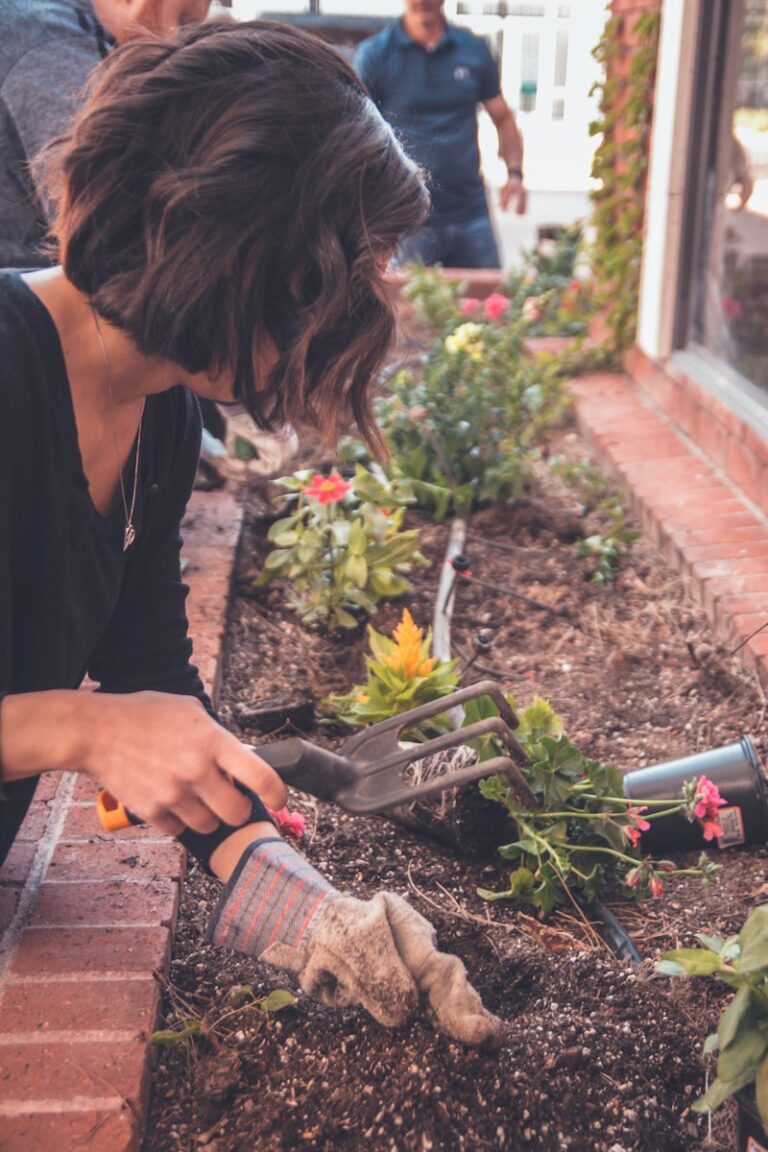
1. Plan Your Layout: Before planting, sketch out a garden plan that includes the spacing requirements for each type of seedling. This can help you visualize where each plant will go and avoid cramming them into small spaces.
2. Thinning Seedlings: If your seedlings do end up too close together, don’t be afraid to thin them out. This means removing some of the seedlings to give the remaining ones more space. Use scissors to snip the weaker seedlings at the soil level to avoid disturbing the roots of the ones you want to keep.
3. Transplanting: If you’ve started seedlings indoors, transplant them into larger containers if they appear cramped before moving them outside. This gives their roots more room to grow.
4. Timing Matters: Pay attention to local growing seasons. Depending on your USDA zone, you may want to start seeds indoors or outdoors at different times. Proper timing can help prevent overcrowding as seedlings will be in their ideal environment when they are at the right growth stage.
5. Use Companion Planting: Some plants can benefit from being grown close together while still allowing for enough space. Research companion planting techniques to maximize yield without overcrowding.
Monitoring Growth and Adjusting Care
Once your seedlings are planted, keep a close eye on their growth. Ensure they have access to adequate light, water, and nutrients. If you notice any signs of stress, such as yellowing leaves or stunted growth, assess their spacing. You may need to adjust by thinning out or moving plants to different locations.
In addition, consider the eventual size of your plants as they mature. For instance, larger plants like squash or cucumbers need ample space to spread out, so plan accordingly from the beginning.
Final Thoughts
Properly spacing your seedlings is a crucial step in creating a thriving garden. By understanding the needs of your plants, planning your layout, and adjusting as necessary, you can prevent overcrowding and ensure that your garden flourishes. So grab those seed packets, give your seedlings room to breathe, and watch your garden grow!
Happy gardening!