Don’t Miss the Window: Essential Plants to Start in Your Garden This Month
As the gardening season unfolds, the next two weeks present a prime opportunity for North American gardeners to kick off the growth of several key plants. Whether you’re a beginner or have some gardening experience, knowing what to plant now can make a significant difference in the health and productivity of your garden throughout the season. Here’s your guide to what to start planting now, along with tips to ensure your garden thrives.
Why Timing Matters
The two-week window we’re focusing on is crucial because it often aligns with the last frost dates in many regions. Depending on where you live—be it in USDA zones 3 through 10—this period typically falls between late March and mid-April in the warmer zones, while cooler areas may still be grappling with frost. Understanding your local climate and frost dates is essential for maximizing your garden’s potential.
Vegetables to Start Now
1. Tomatoes: If you haven’t started your tomato seeds indoors, now is the time. Tomatoes thrive in warm weather and need to be started indoors 6-8 weeks before the last expected frost. Choose varieties suited to your zone, such as early ripening types for cooler areas.
2. Peppers: Like tomatoes, peppers are heat lovers and should also be started indoors now. They take about 8-10 weeks to mature, so planting now will ensure you have robust seedlings ready to transplant after the last frost.
3. Eggplants: Eggplants need a long growing season and warm temperatures. Start them indoors alongside your tomatoes and peppers, as they also benefit from a head start.
4. Lettuce and Greens: Leafy greens like lettuce, spinach, and kale can be sown directly into the ground now, as they thrive in cooler temperatures. They can tolerate light frosts and will grow well until the heat of summer kicks in.
5. Root Vegetables: Carrots, radishes, and beets can be directly seeded in the garden. These crops can be sown as soon as the soil is workable, which is typically in early spring. Make sure the soil is well-drained and loose for best results.
Herbs to Consider
Many herbs can also be started now. Here are a few:
1. Basil: Start basil indoors if you live in cooler areas, as it loves warmth. It’s sensitive to frost, so wait until your risk of frost has passed before transplanting outdoors.
2. Cilantro: This herb prefers cooler weather, making early spring an ideal time to sow seeds directly into the garden.
3. Chives: Start chives from seeds in early spring or divide existing plants for an instant herb garden.
Tips for Starting Your Plants
Soil Preparation: Ensure your soil is well-aerated and rich in organic matter. Add compost or well-rotted manure to improve fertility and drainage.
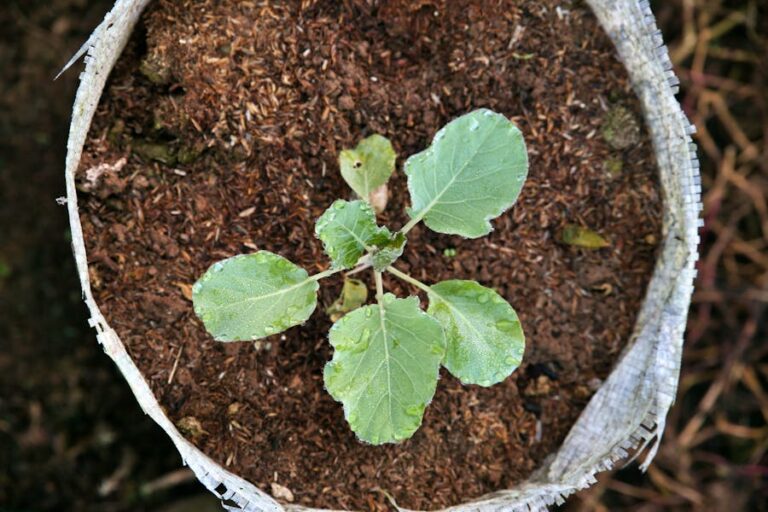
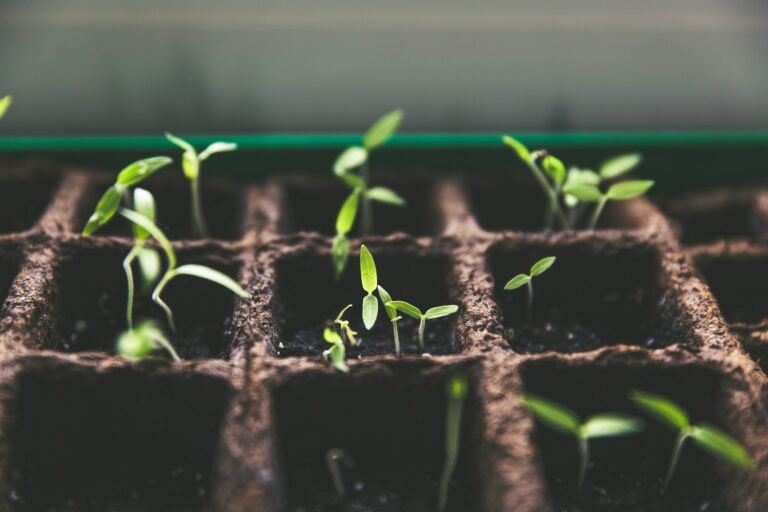
Seed Starting Indoors: If you’re starting seeds indoors, use a seed starting mix and provide adequate light either through a sunny window or grow lights. Keep the soil consistently moist but not soggy.
Hardening Off: If you’re transplanting seedlings outdoors, remember to harden them off. This involves gradually introducing them to outdoor conditions over a week or so. Start by placing them in a sheltered spot for a few hours and gradually increase their exposure to sunlight and wind.
Watering Wisely: Newly planted seeds and seedlings need consistent moisture, but be cautious of overwatering. Water gently to avoid displacing seeds and ensure the soil remains moist but not waterlogged.
Common Mistakes to Avoid
Planting Too Early: Understand your local frost dates. Planting too early can lead to frost damage, especially for tender plants.
Ignoring Soil Temperature: Some seeds, like beans and cucumbers, prefer warmer soil for germination. Check soil temperatures, which should be at least 60°F for these crops.
Neglecting Spacing: Follow seed packet instructions for spacing. Overcrowding can lead to competition for nutrients and light, resulting in weak plants.
Final Thoughts
The next two weeks are indeed critical for setting up your garden for success. By focusing on vegetables and herbs that thrive in spring, you can establish a thriving garden that will yield delicious produce all season long. Stay attentive to your local climate, prepare your soil well, and give your plants the care they need to flourish. Happy gardening!