Early Spring Gardening Mistakes That Slow Down the Whole Season
The first signs of spring always spark that urge to get outside and dig into the dirt. After a long winter, it’s tempting to jump right in, but a few missteps early on can set your whole garden back.
If you want your plants to flourish, paying attention to what not to do in those first weeks makes all the difference.
Planting too early before soil warms up
Planting before the soil is ready can leave seeds and young plants struggling. Cold soil slows down germination and weakens roots.
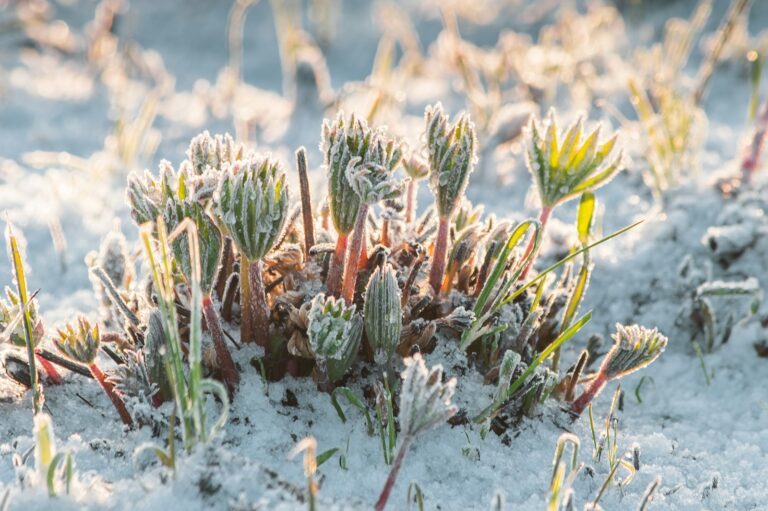
Even if the air feels mild, the soil may still be chilly. Sudden cold snaps can harm tender shoots.
Wait until the soil is consistently warm. A soil thermometer is a handy tool for this—aim for about 70°F before planting.
Patience now means stronger, faster-growing plants later.
Adding mulch before soil temperature rises
Mulching is great, but if you do it too soon, it traps cold in the soil. Roots need warmth to wake up and grow.
Hold off on mulching until mid to late spring when the ground has naturally warmed. Then add a 2 to 3-inch layer to lock in moisture and keep weeds at bay.
Timing your mulch right gives your plants the best start.
Overwatering fragile spring seedlings
It’s easy to think more water is better, but too much can drown your seedlings. Overwatering leads to root rot and mold.
The soil should be moist, not soggy. Let the surface dry out a bit before watering again.
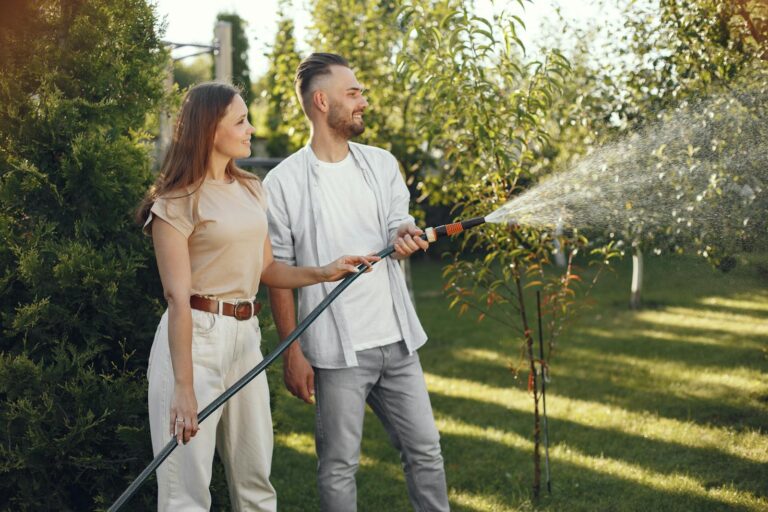
Use a spray bottle or gentle watering to avoid flooding young plants. Watch for yellowing or drooping leaves—they’re signs your seedlings might be getting too much water.
Neglecting to test soil pH and nutrients
Skipping a soil test is a common mistake. Plants need the right pH and nutrients to thrive.
If your soil is off-balance, your efforts with fertilizer might not help much. Testing lets you know exactly what your soil needs.
Grab a test kit and check before you plant. Adjusting your soil early saves you trouble down the road.
Ignoring early weed removal
Weeds may seem harmless at first, but they quickly take over. Early weeds compete with your plants for water, nutrients, and sunlight.
Pulling weeds now gives your garden a clean slate. Young weeds are easier to remove before they spread seeds.
Stay ahead of the game by weeding regularly in spring.
Not cleaning and sharpening gardening tools
Jumping into gardening with dirty tools can cause problems. Dirt and rust make tools harder to use and can spread diseases.
Sharp tools cut cleanly and make gardening easier. Take a few minutes to clean and sharpen everything before you start.
Well-maintained tools help you work faster and protect your plants.
Crowding plants without proper spacing
It’s tempting to squeeze in as many plants as possible, but crowding causes more harm than good. Plants need room for their roots and leaves to spread.
Crowded plants compete for resources and are more prone to disease. Check seed packets or plant tags for recommended spacing.
Giving each plant enough space leads to bigger harvests and healthier growth.
Forgetting to harden off indoor seedlings
Moving seedlings straight from indoors to the garden can shock them. Sudden changes in light, wind, and temperature are tough on young plants.
Start by placing seedlings outside for an hour or two each day. Gradually increase their time outdoors over a week.
This gentle transition helps your seedlings adjust and thrive outdoors.
Using fertilizer too soon or too much
Fertilizer can help, but only when used at the right time and in the right amount. Applying it too early, when the soil is cold, means plants can’t absorb the nutrients.
Too much fertilizer can burn your plants and attract pests. Wait until the soil warms up and always follow recommendations for quantity.
Test your soil first so you know exactly what your garden needs.
Skipping frost dates and weather checks
It’s hard to wait when you’re excited to plant, but skipping frost dates can set you back. Late frosts can damage or kill young seedlings.
Check your local frost dates and keep an eye on the weather. Plant hardy varieties first and wait to put out tender plants until the risk of frost has passed.
A little patience now saves a lot of disappointment later.
Understanding Early Spring Garden Conditions
Spring weather can be unpredictable. One day is warm and sunny, the next is cold and wet.
Pay close attention to temperature and soil conditions before planting. These factors make a big difference in how your garden grows.
Temperature Fluctuations and Plant Health
Spring often brings big swings in temperature. Warm days followed by chilly nights can stress your plants.
Wait to plant tender crops until nighttime temperatures stay above 50°F. If a cold snap is coming, cover young plants to protect them.
Choosing hardy plants for early spring can help avoid setbacks.
Soil Moisture and Drainage Insights
Wet soil is common in early spring from snowmelt and rain. Working with muddy soil can compact it and harm roots.
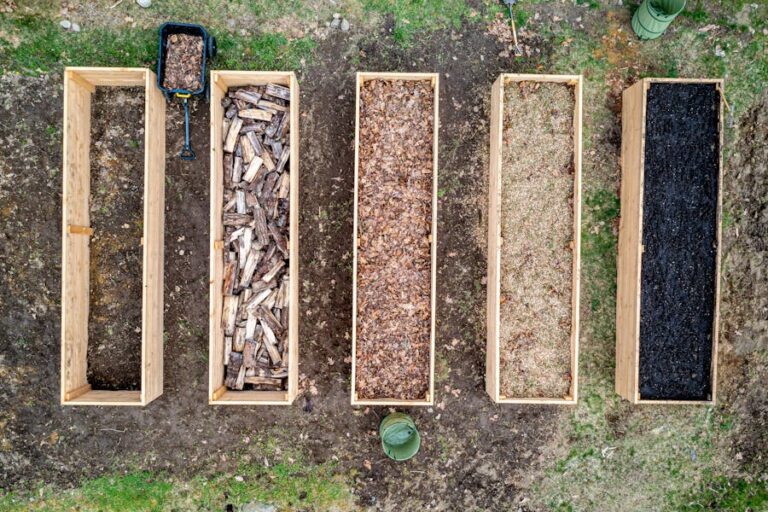
Check the soil by squeezing a handful—if water drips out, it’s too wet to work. Add compost to improve drainage and consider raised beds if your soil stays soggy.
Good drainage helps roots grow strong and healthy.
Effective Planning to Prevent Delays
A little planning now saves a lot of stress later. Organize your seeds, tools, and tasks before you start.
Knowing what needs to be done and when helps keep your garden on track.
Creating a Garden Calendar
A garden calendar keeps you organized. Mark important dates like the last frost and when to start seeds indoors.
Plan tasks like soil prep, transplanting, and fertilizing. Adjust your schedule as needed based on the weather.
Having a plan means fewer surprises and a smoother gardening season.
Choosing the Right Seeds and Tools
Every garden has its own personality, and picking seeds that match your climate and space can make a real difference. Check out varieties that are recommended for your hardiness zone or that can handle those unpredictable cool spring days.
Healthy seeds are the foundation for strong plants. They tend to sprout faster and stand up better to early-season challenges.
The tools you use can shape your whole gardening experience. Sharp pruners help with trimming, while a sturdy trowel makes digging easier.
Don’t forget a good pair of gloves to keep your hands comfortable. The right gear can save you time and help you avoid sore muscles.
Before you start planting, take a few minutes to clean and sharpen your tools. Working with well-maintained equipment keeps things running smoothly and protects your plants.