Angela Maull Revived an East Harlem Garden in Memory of Her Late Daughter, and Its Kale, Collards and Tomatoes Now Feed a Monthly Food Pantry
In July 2023, Angela Maull took on a patch of city-owned land at 1673 Madison Avenue in East Harlem and began bringing it back to life. She has said the work helps her celebrate the memory of her daughter. Today the Diversity Edible Farm Garden is producing kale, collard greens, cucumbers and tomatoes, and it hosts a monthly food pantry open to anyone who signs up.
The garden’s story was told by reporter Karen Juanita Carrillo in the New York Amsterdam News on Oct. 22, 2026.
A Garden That Replaced One Lost to Development
The Diversity Edible Farm Garden sits on Madison Avenue near East 111th Street. It is the successor to an older plot farther up Madison Avenue, the Chenchita’s Group Garden at 1691 Madison Avenue, which was displaced when buildings went up in the area, according to the Amsterdam News. The newer garden, often shortened to DEFG, took its place.
“This is the garden that was replaced from the building there,” Maull told the paper.
The site covers about 3,000 square feet. It is owned by the city and supported by GreenThumb, the community gardening program of NYC Parks, the Amsterdam News reported, citing Parks data. Several individual plots share the space with an area set aside for food distribution, cultural exchange and neighborhood gatherings.
Kale, Collards and a Monthly Pantry for Neighbors
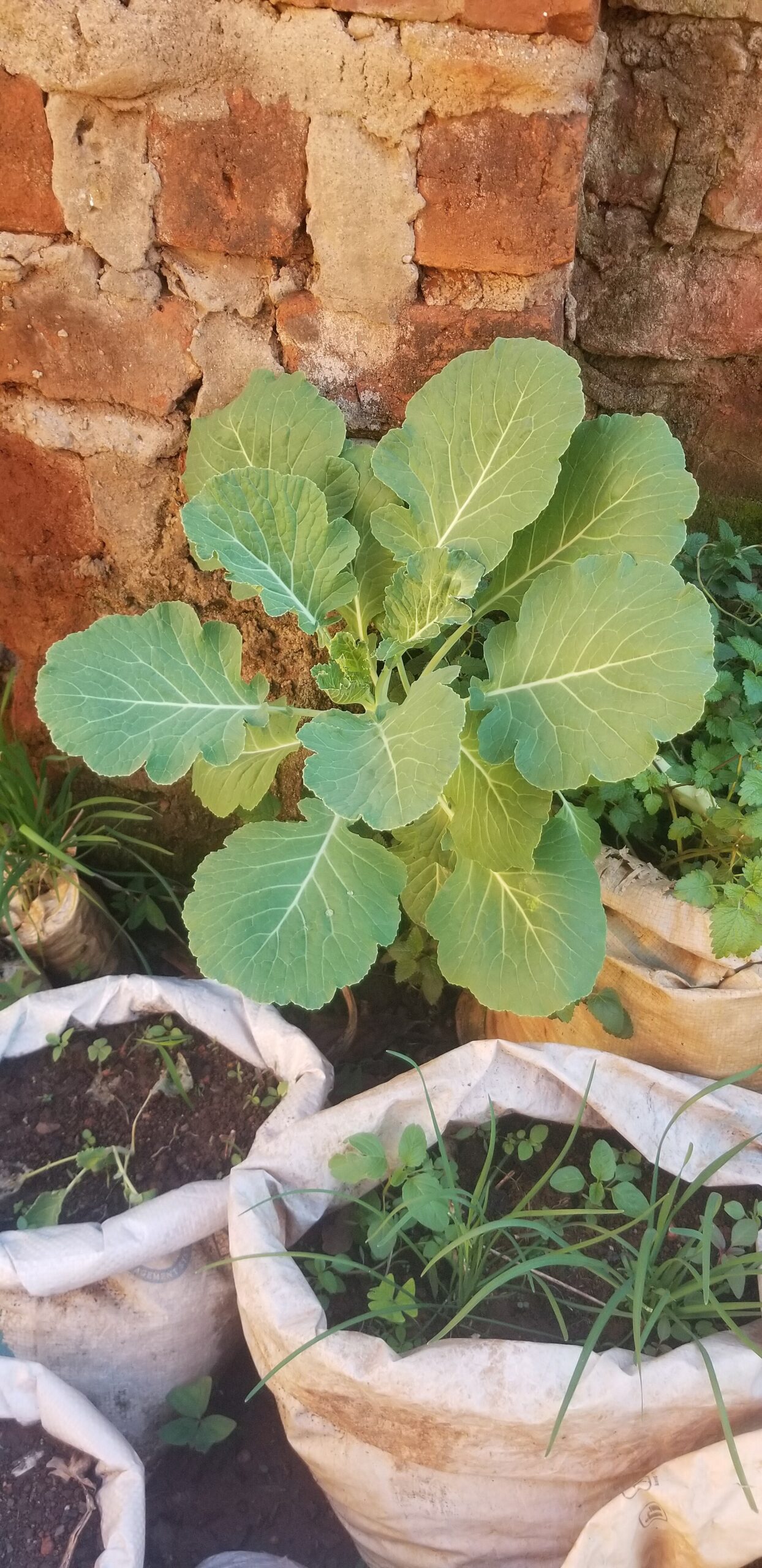
The beds produce kale, collard greens, cucumbers, tomatoes and other vegetables. Returning gardeners hold assigned plots, pay for them and help buy supplies.
The food does not stay with the gardeners alone. The garden partners with the East Harlem Community Partnership on monthly pantries that involve the local community board, according to the Amsterdam News. Asked whether visitors have to live nearby to take part, Maull was direct: “No, anyone can come from anywhere and just sign up for it.”
That open-door approach matches how food experts describe gardens like this one. The Amsterdam News pointed to Hunter College’s NYC Food Policy Center, which describes neighborhood gardens as places for growing food, learning and building community.
The garden has also become a place where people come to learn. In May 2026, the Municipal Art Society of New York listed a 90-minute “Rooted In Diversity Garden Tour” at the site as part of its Jane’s Walk program, led by Maull and Kamala Redd of the garden. The tour covered how food, culture and community connect, why the plants matter to different cultures, how they are used, and home gardening tips.
East Harlem’s Long History of Turning Lots Into Gardens
The garden belongs to a tradition that runs deep in this part of Manhattan. During New York’s fiscal crisis in the 1970s, abandoned buildings and vacant lots dotted East Harlem, the Lower East Side and Hell’s Kitchen, according to the NYC Parks history of the community garden movement. Volunteers began clearing those lots by hand. The Green Guerillas, founded in 1973, even tossed “seed bombs” over fences to green up lots they could not reach.
One of the Green Guerillas’ founders, Liz Christy, led volunteers in clearing a lot at Bowery and Houston streets on the Lower East Side. In April 1974, the city approved a $1-a-month lease for that site, the Bowery Houston Community Farm and Garden, making it the city’s first community garden. It was renamed Liz Christy’s Bowery-Houston Garden in 1986, a year after her death.
GreenThumb followed in 1978 to coordinate leases for vacant lots, and it is still funded largely through federal Community Development Block Grants, according to NYC Parks.
Today, GreenThumb describes itself as the nation’s largest urban gardening program, supporting more than 550 community gardens across the five boroughs. It provides free materials, topsoil, compost and lumber, technical help, tree care, and about 100 workshops a year, while neighborhood residents run the gardens themselves.
Gardens in the network are run by volunteer groups, and NYC Parks points residents to an online GreenThumb map to find a community garden near them and connect with the people who run it. The program also posts a guide to joining a garden as a member or volunteer, and its workshops and partner events are free and open to the public. Individual garden groups post their own events as well.
Growing Food in Memory of a Daughter
The Amsterdam News did not name Maull’s daughter or describe her loss. What Maull shared was simpler: taking part in the garden’s revival is one way she keeps her daughter’s memory close. She has also become one of the garden’s public faces, leading this spring’s Municipal Art Society walk through the beds alongside Kamala Redd.
That memory now takes the form of something neighbors can eat. Each month, greens and vegetables grown on this city-owned lot go out to people who sign up at the pantry, wherever they live.
The garden that came before it was lost to development. The one on Madison Avenue near East 111th Street, revived by a mother honoring her late daughter, is still growing.
Get stories like this by email. Sign up for The Parent Diaries Letter.
This article was produced with AI assistance and edited for accuracy against the sources linked above.
Image: MEvalyn – CC BY-SA 4.0/Wikimedia Commons