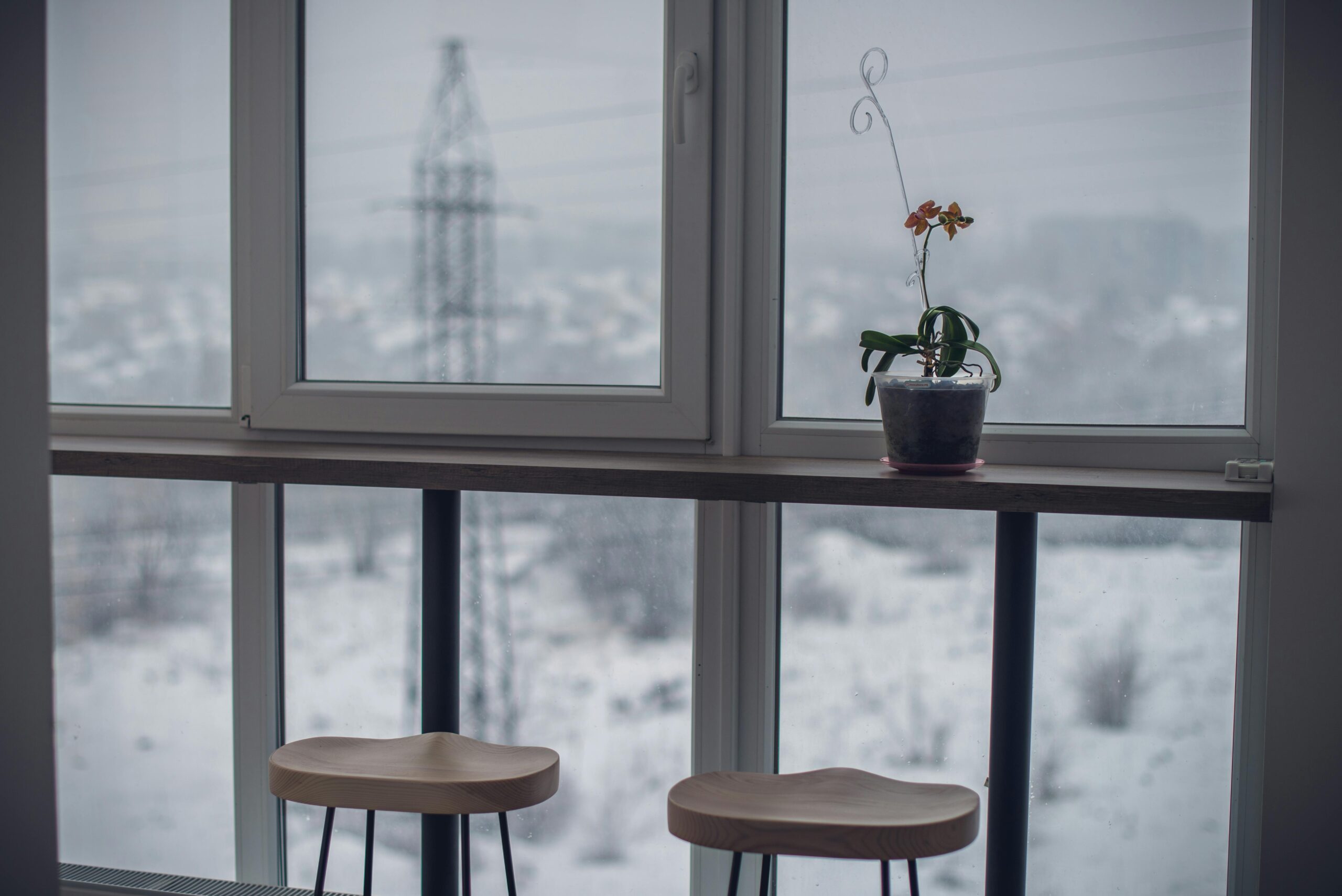
Embracing the Winter Rest: What Houseplants Need During the Cold Months

As winter settles in, many gardeners may feel the urge to keep their houseplants active and thriving. However, experts suggest that this season can be a valuable “rest period” for your indoor greenery. Understanding how to care for your houseplants during winter is essential for their health and longevity. Here’s what you need to know to ensure your plants thrive come spring.
Understanding the Rest Season
Winter is a time when many houseplants naturally slow down their growth. In their native habitats, many plants experience shorter days and cooler temperatures, prompting them to enter a phase of dormancy. This rest period is not only normal but necessary for their well-being. During winter, plants conserve energy and redirect their resources, allowing them to emerge stronger when warmer weather returns.
Key Signs Your Houseplants Are Resting
Recognizing the signs that your houseplants are in a resting phase can help you adjust your care routine. Here are some common indicators:
1. Reduced Growth: You might notice that your plants are not putting out new leaves or flowers. This slowdown is a natural part of their winter cycle.
2. Lower Water Needs: As growth slows, so does the need for water. Plants may require less frequent watering during this time, and overwatering can lead to root rot.
3. Dropping Leaves: Some plants may shed a few leaves in winter. This is a normal response to decreased light levels and should not cause alarm unless it becomes excessive.
4. Pale or Yellowing Leaves: If your plant’s leaves are losing vibrancy, it may be a sign of insufficient light or overwatering rather than a need for more nutrients.
Adjusting Your Care Routine
To support your houseplants during this resting period, consider the following adjustments to your care routine:
1. Water Wisely
While your plants may need less water in winter, it’s crucial to monitor moisture levels in the soil. Use your finger to test the top inch of the soil; if it feels dry, it’s time to water. Always ensure that pots have proper drainage to avoid waterlogging.
2. Optimize Light Conditions
As natural daylight decreases, you may need to reposition your plants to ensure they receive adequate light. Consider placing them near south- or west-facing windows, where they can soak up the most sunlight. If natural light is limited, think about investing in grow lights to supplement their needs.
3. Maintain Humidity Levels
Indoor heating can lead to dry air, which may stress your plants. To combat this, consider using a humidifier or placing a shallow dish of water near your plants. Grouping plants together can also create a microclimate with increased humidity.
4. Adjust Fertilization
During the winter months, many houseplants do not require fertilization since they are not actively growing. If you typically feed your plants, consider reducing or eliminating fertilizer until spring. This will prevent nutrient buildup in the soil, which can harm your plants.
5. Prune When Necessary
While it’s not advisable to perform heavy pruning in winter, removing any dead or unhealthy leaves can help your plants focus their energy on maintaining health. Be gentle and only prune as needed.
6. Monitor for Pests
Winter can also bring indoor pests, as the warmth of your home may attract unwanted visitors. Regularly check your plants for signs of pests like spider mites or aphids. If you notice any, take action immediately with insecticidal soap or neem oil.
Common Mistakes to Avoid
As you care for your houseplants this winter, be mindful of these common pitfalls:
Overwatering: One of the most frequent mistakes is watering too often. Always check soil moisture before watering, especially in winter.
Ignoring Light Needs: With shorter days, it’s easy to forget that plants still need light. Keep an eye on their light exposure and adjust as necessary.
Neglecting Temperature Fluctuations: Sudden temperature changes can stress plants. Try to keep them away from drafts, heating vents, or cold windows.
Forgetting to Clean Leaves: Dust can accumulate on leaves, blocking light absorption. Gently wipe leaves with a damp cloth to keep them clean and healthy.
Preparing for Spring
As winter progresses, keep an eye on your plants for any signs of early growth. By late winter (around February), you may notice an increase in activity. This is a good time to start gradually increasing their water and perhaps introducing a diluted fertilizer to prepare them for the growing season.
Your houseplants will thank you for the care you provide during this rest period. By understanding their natural cycles and adjusting your routines accordingly, you’ll set the stage for a robust and thriving indoor garden as spring arrives. Embrace the winter rest, and let your plants recharge for a vibrant growing season ahead!