Experts Warn That Inconsistent Watering Patterns May Be Affecting Plant Health More Than People Realize
Many gardeners focus on how much they water their plants, but experts point out that how consistently watering happens can be just as important. In fact, irregular watering patterns, alternating between too dry and too wet, can quietly affect plant health more than most people realize, even when the total amount of water seems correct.
Roots Respond Poorly to Unpredictable Conditions
Plants rely on stable moisture levels in the soil. When the soil repeatedly swings from dry to saturated, roots struggle to adjust. This can slow root development and reduce the plant’s ability to absorb nutrients efficiently.
Dry–Wet Cycles Stress the Plant System
Inconsistent watering creates a cycle of stress. During dry periods, growth slows as the plant conserves energy. When water suddenly returns, rapid uptake can shock the system. Over time, this back-and-forth weakens overall plant performance.
Nutrients Become Less Available
Frequent drying can concentrate salts and nutrients in the soil, while heavy watering can wash them deeper out of reach. This uneven pattern means plants may not have steady access to what they need, even if the soil is fertile.
Visible Growth May Hide Hidden Stress
Plants can still look green and healthy on the surface while internal stress builds. Leaves may appear normal while root systems are under strain. By the time visible symptoms show, the issue may already be advanced.
Root Depth Development Is Affected
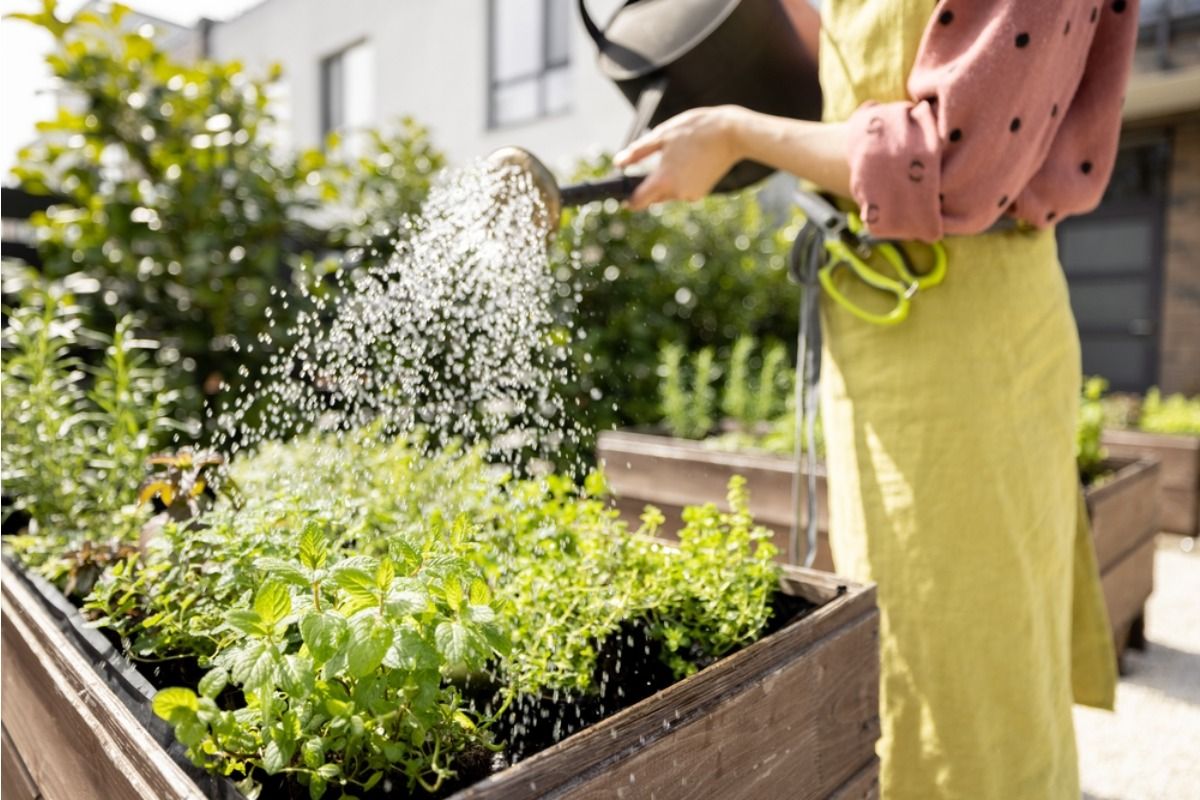
Consistent deep watering encourages roots to grow downward. In contrast, irregular shallow watering often leads to weaker, surface-level roots. These shallow roots are more vulnerable to heat and drying later in the season.
Flowering and Fruit Production Can Decline
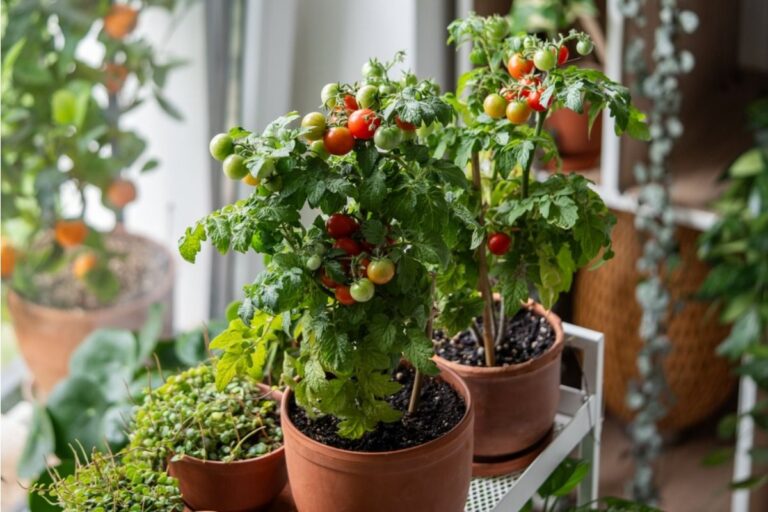
For fruiting and flowering plants, stability is key. Moisture fluctuations can lead to dropped buds, uneven fruit development, or reduced yields. The plant prioritizes survival over production when conditions are unstable.
Weather Is Not Always the Main Issue
Even in good weather conditions, inconsistent human watering habits can create stress. This means the problem isn’t always environmental, it’s often about routine and timing.
Stability Matters More Than Perfection
Experts often emphasize that plants don’t need perfect watering, they need predictable watering. A steady routine allows roots to adapt, absorb nutrients properly, and maintain balanced growth.
Inconsistent watering may seem minor, but its long-term effects can be significant. When soil moisture stays steady, plants are able to grow more efficiently, develop stronger roots, and maintain healthier overall growth throughout the season.