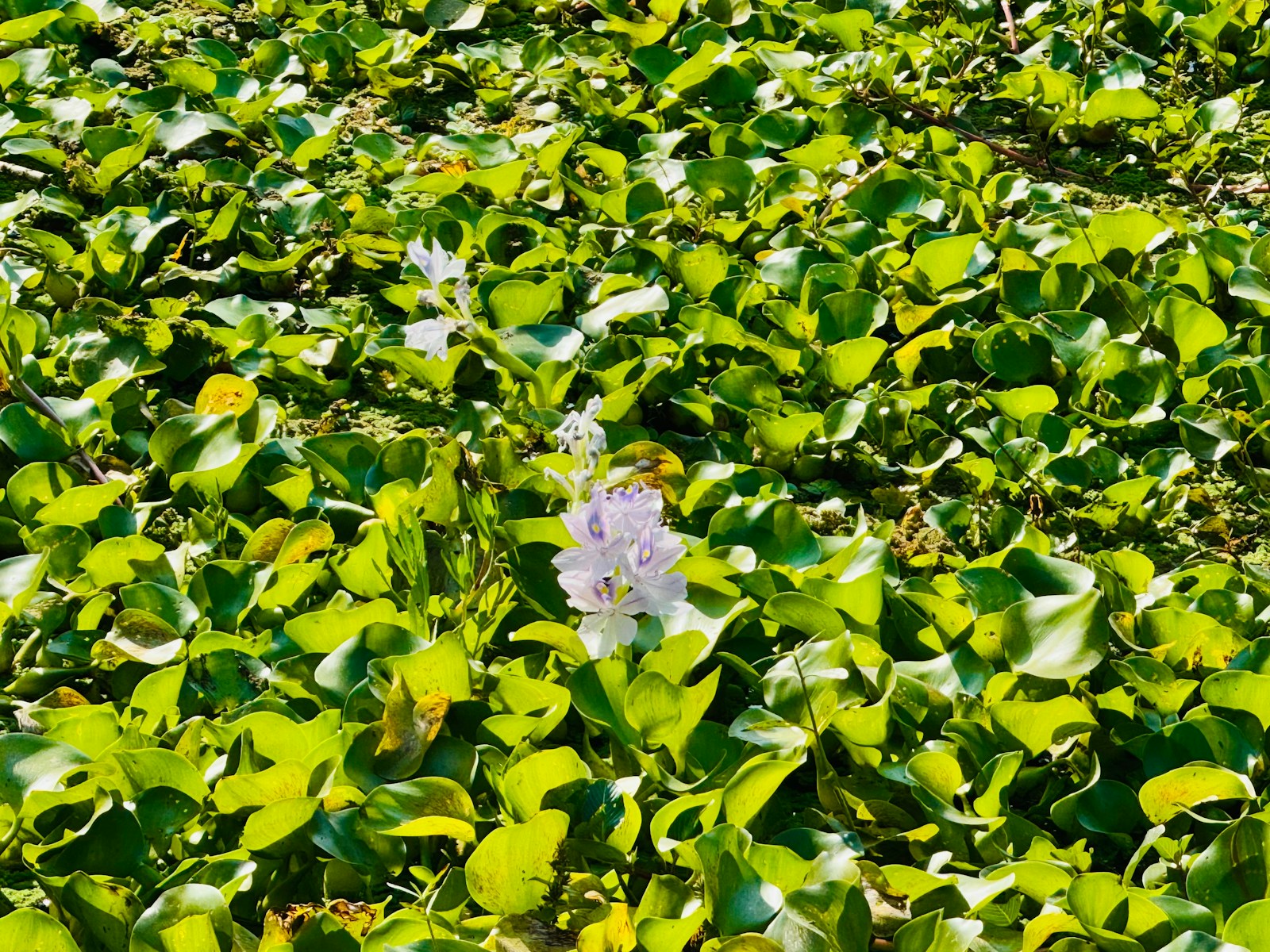
Experts Warn These Popular Garden Plants Can Quickly Take Over Your Yar, and Many People Still Plant Them
Some of the most popular plants at garden centers have a hidden downside—and many gardeners don’t realize it until it’s too late.
They grow fast. They look beautiful. They seem easy.
But some of these plants can quickly spread beyond your garden, take over entire areas, and crowd out everything else around them.
These are called invasive plants, and experts say they’re one of the biggest mistakes gardeners make—often without even knowing it
.What Makes a Plant “Invasive”?
An invasive plant isn’t just something that grows quickly.
It’s typically:
- Non-native to your area
- Extremely aggressive in how it spreads
- Able to outcompete local plants
Once established, these plants can take over garden beds, lawns, and even nearby natural areas—making them very difficult to remove.
In some cases, they don’t just affect your yard—they can impact entire ecosystems by pushing out native species.
Popular Plants Experts Say to Avoid
Many invasive plants are still sold because they’re hardy and easy to grow—but that’s exactly what makes them risky.
Here are some of the most commonly mentioned ones:
Butterfly Bush
It’s often planted to attract pollinators—but in some regions, it spreads aggressively and escapes into the wild.
Japanese Knotweed
This is one of the most aggressive invasive plants in the world, forming dense colonies that crowd out everything else—and it’s incredibly hard to remove once established.
Creeping Charlie (Ground Ivy)
A fast-spreading groundcover that can quickly take over lawns and garden beds, spreading through roots and stems.
Privet
Commonly used for hedges, but it grows so quickly it can escape into surrounding areas and become difficult to control.
Why These Plants Become Such a Problem
The issue isn’t just fast growth—it’s how these plants spread.
Some produce massive amounts of seeds that travel easily. Others spread underground through roots or rhizomes, meaning even a small piece left behind can regrow.
That’s why they’re so hard to control.
For example, Japanese knotweed can spread through deep, aggressive root systems and often requires repeated treatments to fully remove.
The Surprising Reason People Still Plant Them
Here’s what catches a lot of gardeners off guard:
Many invasive plants are still sold in stores.
That means people often assume they’re safe.
But availability doesn’t always equal suitability. A plant might behave well in one region—and become invasive in another.
That’s why experts recommend always checking what’s considered invasive in your specific area before planting anything new.
What to Plant Instead
The good news is you don’t have to give up on beautiful or fast-growing plants—you just need to choose better alternatives.
Instead of invasive options, look for:
- Native plants suited to your region
- Non-invasive cultivars
- Pollinator-friendly plants that don’t spread aggressively
For example, instead of butterfly bush, some gardeners opt for native alternatives that still attract pollinators without taking over.
The Bottom Line
Some of the easiest plants to grow are also the hardest to control.
And once invasive plants take hold, they can turn a low-maintenance garden into a constant battle.
Before adding anything new to your yard, it’s worth taking a few minutes to check whether it’s considered invasive where you live.
Because in gardening, the plants that seem like the easiest choice at the beginning can sometimes create the biggest problems later.