February Pruning: 7 Essential Plants for a Gorgeous Garden This Year

As winter wanes and the promise of spring approaches, February emerges as a crucial month for gardeners eager to prepare their landscapes for vibrant growth. Pruning during this time can set the stage for stunning displays in your garden. Let’s delve into seven plants that benefit from February pruning, ensuring a beautiful bloom when the warmer months arrive.
1. Roses
Roses are a classic choice for pruning in February. This is the time to remove dead or damaged wood and shape your plants for optimal growth. Look for the first signs of new growth and prune just above these buds. For hybrid tea roses, a good rule of thumb is to cut back about one-third of the plant. This encourages strong, healthy growth and abundant blooms come spring and summer.
2. Fruit Trees
If you have apple or pear trees, February is a critical time for pruning. Ideally, this should be done when the trees are still dormant, typically before the buds start to swell. Focus on removing any crossing branches, as well as those that are dead or diseased. This kind of pruning not only improves air circulation but also increases sunlight exposure, leading to better fruit production down the line. Remember to use clean, sharp tools to make clean cuts and minimize stress on the tree.
3. Hydrangeas
The timing of pruning hydrangeas depends on the variety you have. For those that bloom on new wood, like the popular ‘Limelight’ and ‘Annabelle’, February is perfect for cutting them back to about one-third of their height. This encourages vigorous growth and larger blooms. However, if you have varieties that bloom on old wood, such as ‘Bigleaf’ hydrangeas, be cautious; pruning should be done immediately after blooming in the summer.
4. Butterfly Bush
Known for attracting pollinators, butterfly bush (Buddleia) is another candidate for February pruning. Cut it back to about 12-18 inches above the ground. This aggressive pruning helps to rejuvenate the plant, promoting lush foliage and abundant flowering. By cutting back in late winter, you’ll encourage new stems to emerge as the days warm, which will lead to a more vigorous and fuller plant.
5. Ornamental Grasses
Many ornamental grasses benefit from a late winter trim. Cut back the previous season’s growth to about 6-12 inches above the ground. This not only tidies up your garden but also allows for new growth to flourish. However, be sure to wait until the frost has passed to avoid damaging new shoots. This practice encourages a healthy, lush appearance and provides a beautiful backdrop for early spring blooms.
6. Perennial Herbs
February is an excellent time to prune perennial herbs like lavender, thyme, and sage. For lavender, trim back about one-third of the plant, focusing on removing any dead stems. This helps to maintain its shape and encourages bushier growth. With herbs, it’s important to prune before the new growth begins, ensuring they remain healthy and productive throughout the growing season.
7. Shrubs
Deciduous shrubs, such as forsythia and spirea, can be pruned in February to promote better blooms later in the year. Remove any dead or crossing branches and shape the shrub to maintain its natural form. For spirea, consider cutting back to about one-third of its height. This encourages fuller growth and enhances flowering. Timing is crucial—prune these shrubs before they start leafing out for the best results.
Tips for Successful Pruning
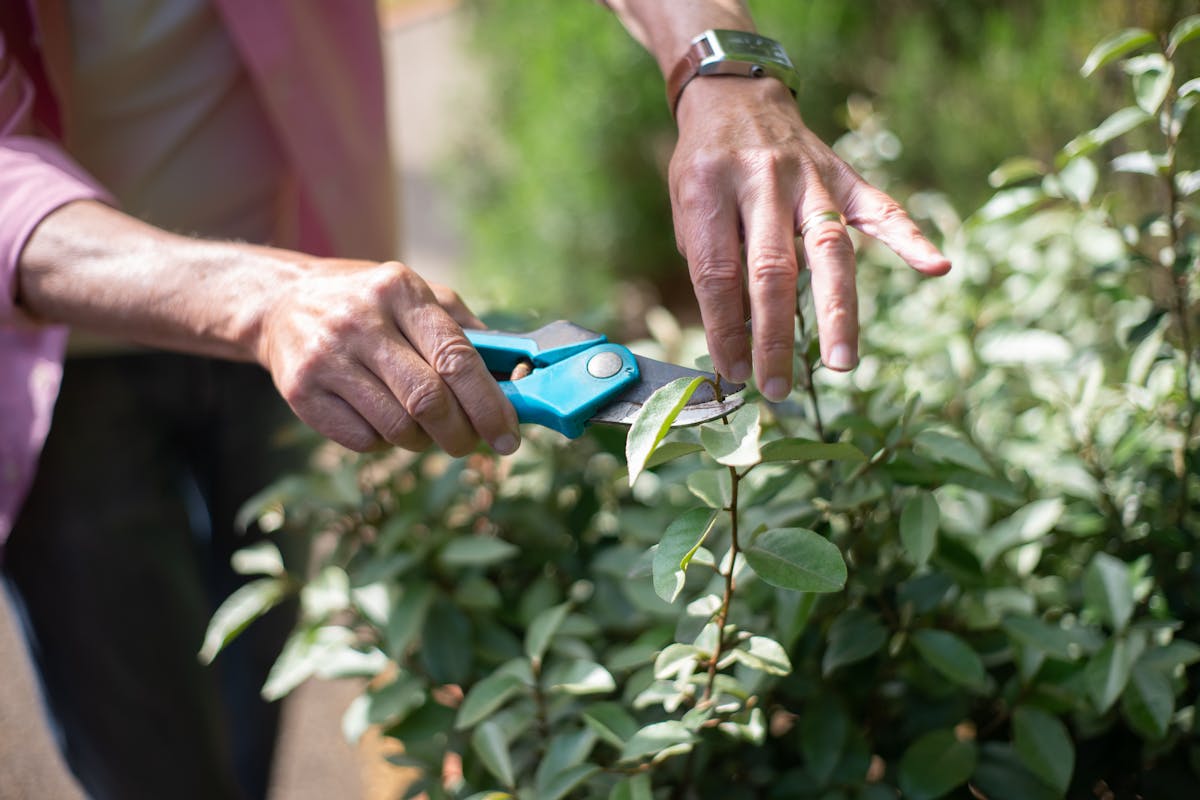
Tools Matter: Always use sharp, clean pruning shears or loppers. Dull blades can cause tearing, leading to increased susceptibility to disease.
Make Clean Cuts: When pruning, aim to make clean cuts at a slight angle just above a bud or node. This helps encourage new growth and reduces the risk of disease.
Know Your Plants: Understanding your plants’ growth habits is crucial. Some plants should be pruned in late winter, while others may require pruning right after blooming. Research the specific needs of the plants in your garden for optimal results.
Avoid Pruning in Wet Conditions: Pruning when the weather is wet can lead to fungal infections. Wait for dry days to ensure the health of your plants.
Don’t Overdo It: While pruning is beneficial, over-pruning can stress your plants and reduce blooming. Aim for a balanced approach, focusing on removing only what is necessary.
By dedicating some time to pruning during February, you can significantly enhance the health and aesthetics of your garden. As you prepare for the growing season, consider these seven plants and the benefits of timely pruning. A little effort now will lead to a garden bursting with color and life when spring arrives, allowing you to enjoy the fruits of your labor all year long. Happy gardening!