February Pruning Guide: What to Trim and What to Leave Alone
February might not be the first month that comes to mind when you think of gardening, but it’s a crucial time for pruning in many regions of North America. As winter begins to wane, many plants enter a dormant phase, making it the perfect window to shape and care for your garden. However, not all plants are suitable for pruning at this time. In this guide, we’ll explore what to prune in February and highlight the plants you should avoid touching to ensure your garden thrives come spring.
Understanding Pruning Basics
Before we dive into specifics, let’s cover some key points about pruning. Pruning is the practice of selectively removing certain parts of a plant, such as branches or buds, to promote healthy growth, improve air circulation, and encourage flowering. The primary goals of pruning are to enhance the overall shape and health of the plant, control its size, and remove any dead or diseased wood.
Timing is crucial. While February can be ideal for many plants, the specific timing may vary based on your local climate and the USDA hardiness zone where you live. Generally, if you’re in areas with milder winters (like USDA zones 7-10), you can start pruning earlier in the month. In cooler regions (zones 3-6), it’s best to wait until the end of the month or even into March, depending on the weather.
What to Prune in February
1. Fruit Trees
February is an excellent month to prune dormant fruit trees, such as apple and pear. Focus on removing any dead, diseased, or crossing branches to enhance airflow and sunlight penetration. Aim for a balanced shape, and don’t be afraid to cut back growth to encourage new shoots. Ideally, pruning should be done on a dry day to reduce the risk of fungal infections.
2. Roses
For many types of roses, late winter is the ideal time for pruning. This is particularly true for hybrid tea and floribunda roses. Cut back the previous season’s growth by about one-third, removing any dead or weak stems. Make sure to cut at a 45-degree angle, about 1/4 inch above a bud, to encourage healthy new growth.
3. Shrubs
Many deciduous shrubs, like hydrangeas (specifically those that bloom on new wood, such as ‘Annabelle’), can be pruned in February. You can cut them back to about one-third of their height to encourage robust growth and a fuller appearance. Other shrubs like spireas and forsythias also benefit from a good prune at this time.
4. Perennials
February is a good time to clean up your garden by cutting back perennials that have died back over the winter, such as ornamental grasses and sedums. Removing old growth helps prevent disease and makes way for new shoots to emerge as the weather warms.
What to Avoid Pruning in February
1. Spring-Blooming Shrubs
Be cautious with spring-blooming shrubs like lilacs or azaleas. Pruning these too early can remove the buds that are set to bloom in spring, leading to a disappointing display. Wait until after they flower to give them a trim.
2. Evergreens
Evergreen plants, including pines and spruces, should be left untouched until after the risk of frost has passed. Pruning them in February can expose the inner foliage to harsh weather and create an unbalanced appearance.
3. Tender Plants
Tender plants, such as tropicals or those that are not hardy in your zone, should also be left alone. Pruning them during dormancy can stress the plant and lead to poor growth when the weather warms up.
4. Certain Perennials
While many perennials can be pruned in February, some, like peonies and daylilies, should be left untrimmed until the threat of frost has passed. Cutting these back too early can damage their buds and weaken the plant.
Common Mistakes to Avoid
Over-pruning: One of the most frequent mistakes gardeners make is to prune too much. Always remember that less is more. If you’re unsure, it’s better to err on the side of caution and prune conservatively.
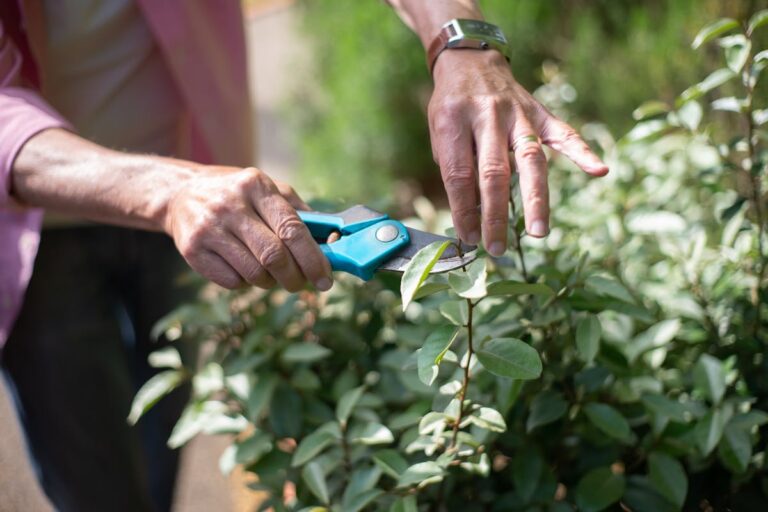
Using Dull Tools: Ensure your pruning shears and saws are sharp and clean. Dull tools can crush stems and create entry points for diseases.
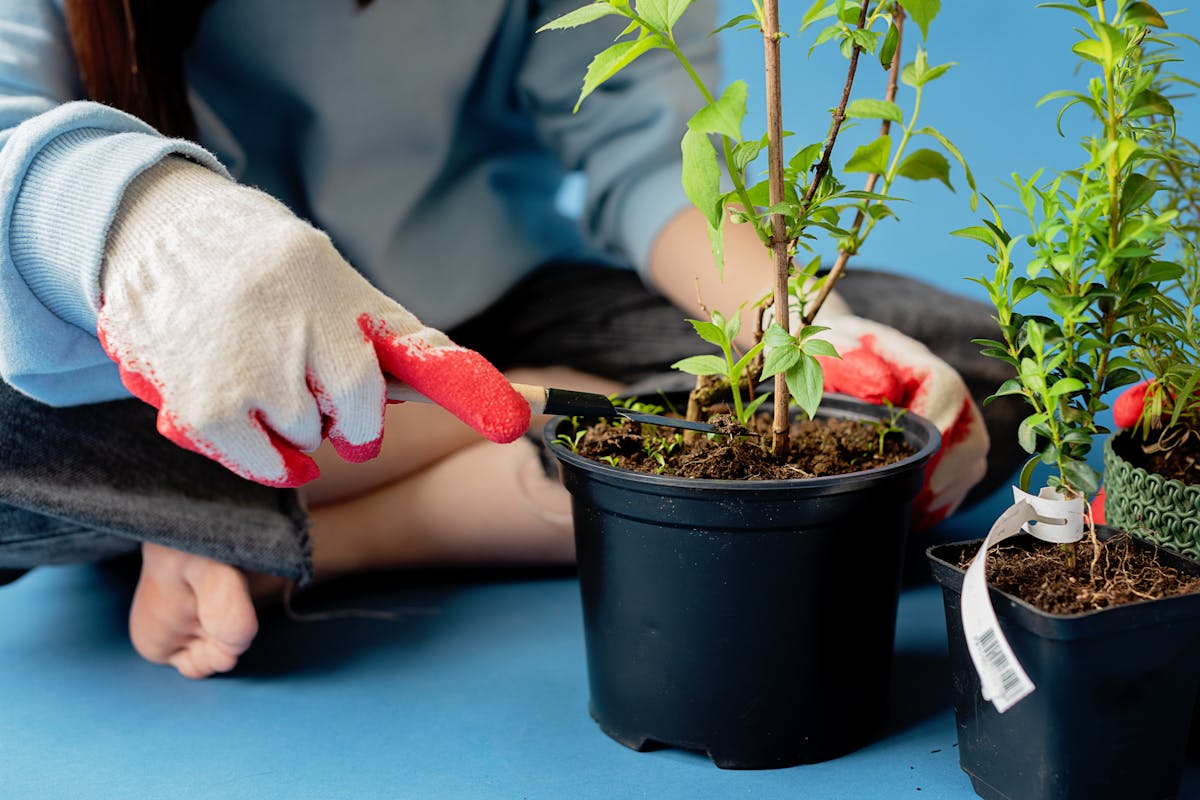
Not Wearing Protective Gear: Always wear gloves and eye protection while pruning. Sharp tools and errant branches can pose safety risks.
Ignoring Local Conditions: Pay attention to your local climate and specific plant needs. What works in one region may not be suitable for another.
Final Tips for February Pruning
As you head out to prune, take a moment to assess the overall health of your plants. Look for signs of disease or pest infestations and address these issues promptly. After pruning, it’s a good idea to apply a layer of mulch around your plants to retain moisture and suppress weeds.
Remember, February is just the beginning. As the season progresses, keep an eye on your plants and adjust your care routines as necessary. Happy pruning, and may your garden flourish this year!