Paperwhite Bulbs Started in Early November Can Bloom in Three to Five Weeks, While Amaryllis Needs Six to Eight for Holiday Flowers
Christmas is about eight weeks away, and that number decides when holiday bulbs have to start. Amaryllis needs roughly 6 to 8 weeks, according to Calvin R. Finch, Ph.D., writing in a PlantAnswers article on forcing holiday bulbs, who says some large bulbs promise multiple blooms in that span once stem growth begins. Counting back from Dec. 25, 8 weeks lands on Oct. 30 and 6 weeks on Nov. 13, so a bulb potted this week is on time and one potted in mid-month is cutting it close.
Paperwhites run faster, at 3 to 5 weeks indoors in the same article, which is why they can wait until late November. Extension and garden sources differ somewhat on the exact timing, so the plan below uses ranges and leaves room for a slow bulb.
Eight Weeks on the Calendar, Six to Eight in the Bulb
The countdown works like this. For amaryllis timed to open by Dec. 25, the 6-to-8-week window means potting between Oct. 30 and Nov. 13. For paperwhites, 3 to 5 weeks before Dec. 25 means starting between Nov. 20 and Dec. 4.
Starting one batch now and another in late November is a simple way to stagger flowers through December. Felder Rushing, a former extension horticulturist, says in an HGTV article on forcing paperwhites that roots usually appear within a few days to a week and flowers open in about three to four weeks.
Other extension sources give wider ranges. Penn State Extension’s guide to forcing flowering bulbs puts paperwhites at about 4 to 8 weeks and amaryllis at about 6 to 12 weeks, depending on variety. Clemson’s Home and Garden Information Center, in its factsheet on forcing bulbs indoors, says amaryllis typically blooms in 4 to 6 weeks and paperwhites need no cooling period. With that spread, an early start is the safer bet for the slower amaryllis.
Pebbles and Water for Paperwhites, Potting Soil for Amaryllis
The two bulbs want different homes. Rushing says to set paperwhites partway into clean gravel, glass beads or similar material so the roots can anchor them, then add just enough water to touch the base of the bulbs and check every few days to refill it. He has used colorful Mardi Gras beads.
Clemson recommends an undrained decorative bowl at least 2 to 3 inches deep, filled with pebbles, pea gravel, coarse sand or pearl chips to about 1 inch below the rim, with water kept just below the gravel surface. Too much water causes rot. Penn State describes the potting-mix route for paperwhites instead: a pot 3 to 5 inches deep, bulbs spaced so they do not touch and covered so only the tips show.
Amaryllis goes in soil. Finch recommends a small container with well-drained potting mix or sand, fed with soluble fertilizer monthly, and starting the bulb in shade before moving it to a sunny spot once the stem emerges. Penn State describes the pot as about an inch wider than the bulb’s widest part and with good drainage, filled with fresh, well-draining potting soil that leaves one-third to one-half of the bulb visible.
For paperwhites, Finch describes a container set on about 2 inches of marbles or pebbles.
Gin or Rubbing Alcohol for Short Stems, Plain Water Until Roots Form
Forced paperwhites often grow tall and flop over. Rushing’s fix is a diluted alcohol solution of about 5%: one part rubbing alcohol to ten parts water, or one part gin or vodka to seven parts water. He says to start with plain water until roots form, then switch to the alcohol mix, and warns that too much alcohol can kill the bulbs.
Cornell University researchers tested the idea. Horticulture magazine reports that the method “has been tested and proven sound by Cornell University,” with paperwhites treated with the solution growing stems about a third shorter than those in plain water. The magazine gives the ratio as 1 part hard liquor to 7 parts water, roughly 4 to 6 percent alcohol, and notes that rubbing alcohol is far stronger and needs much more dilution. It does not recommend beer or wine because of their sugars.
For readers who want the flowers to last once they open, the site’s guide to keeping amaryllis and paperwhites blooming longer covers placement and watering.
Cool Rooms for Paperwhites, Bright Windows for Amaryllis
Light and temperature are the other half of stem height. Penn State says paperwhites want a cool, sunny spot, and that too little light or too much warmth makes plants leggy and floppy. Clemson recommends a cool 50 to 60 degree Fahrenheit spot with low light until the bulbs are well rooted and shoots appear, usually in 2 to 3 weeks, then a gradual move into direct sunlight and warmer temperatures.
Amaryllis is the opposite. Finch says to move it to a sunny spot once the stem emerges, and Penn State recommends a sunny window, then moving the pot out of direct sun and away from heat sources once buds open. Penn State adds that paperwhites can be moved out of direct sun once buds open to extend bloom time.
Fruit bowls are a hazard for paperwhites. Rushing says to keep bulbs away from ripening fruit, which releases ethylene gas that can damage flower buds.
Finally, plan for the end. Rushing says forced paperwhites are generally spent after blooming and best composted, and Clemson says the bulbs cannot be forced again and should be discarded. Amaryllis is different: Clemson says it can be planted outdoors in spring or kept in its pot for another year.
Get stories like this by email. Sign up for The Parent Diaries Letter.
This article was produced with AI assistance and edited for accuracy against the sources linked above.
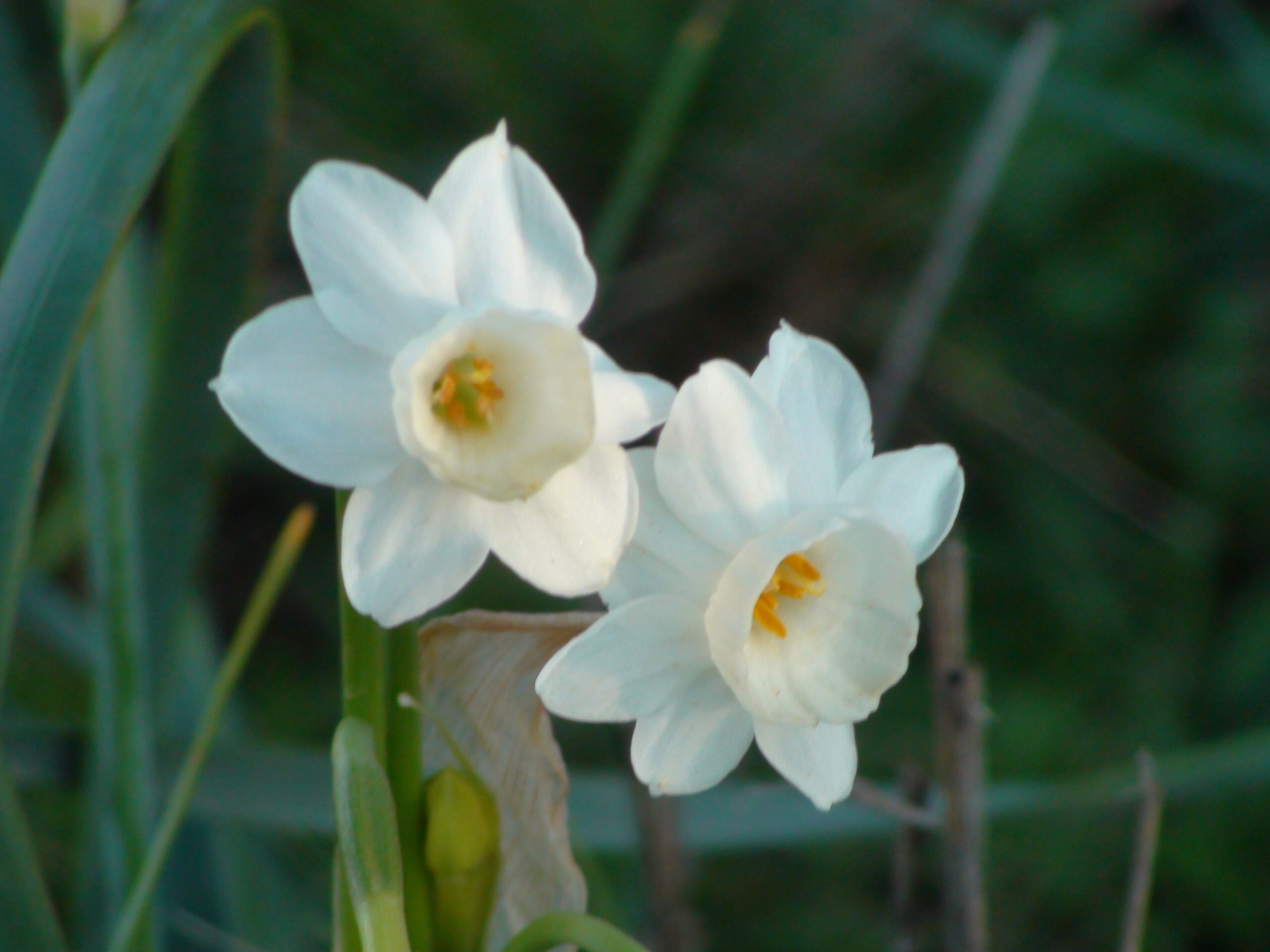
Image: BirdingInSpain – CC BY-SA 4.0/Wikimedia Commons