From Resting Place to Green Space: Transforming Loved Ones into Fertile Soil

As urban areas grow and green spaces dwindle, the balance between remembrance and practicality is becoming increasingly important. One innovative solution has emerged as a way to address both environmental concerns and the desire for a personal and meaningful tribute: turning cremated remains into nutrient-rich soil for gardening. This practice not only honors the memory of loved ones but also contributes to sustainability by enriching the earth. Let’s explore how this unique approach can inspire home gardeners while navigating the ethical considerations involved.
Understanding the Process
The process of transforming cremated remains into soil is known as “human composting” or “natural organic reduction.” This method involves breaking down organic matter through a controlled process, resulting in a nutrient-dense soil amendment that can be used in gardens. Typically, the process can take anywhere from several weeks to a few months, depending on the conditions and the method used.
In recent years, some companies have started to offer this service, allowing families to choose to have their loved ones composted instead of buried or cremated in the traditional sense. The end result is a rich, fertile soil that can be used to nourish plants, symbolizing life and growth from loss.
Benefits of Using Human Composting Soil
1. Environmental Impact: Traditional burial methods often take up valuable land and involve toxic chemicals used in embalming. With human composting, the process is eco-friendly, contributing positively to the environment by returning nutrients to the soil.
2. Personalization: The resulting soil can be utilized in a personal garden, perhaps alongside plants that held special meaning for the deceased. This creates a living tribute that continues to grow and flourish, serving as a lasting memory.
3. Sustainability: By choosing to compost rather than traditional burial, families can help combat the ongoing challenge of land use in cemeteries, particularly in urban settings where space is at a premium.
How to Incorporate Human Composting Soil in Your Garden
If you are considering using soil created from human composting, here are some practical tips to keep in mind:
1. Choosing the Right Plants: The nutrient-rich soil can be used to grow a variety of plants, including flowers, vegetables, and herbs. Consider using it in a dedicated area of your garden where you can cultivate plants that were meaningful to your loved one.
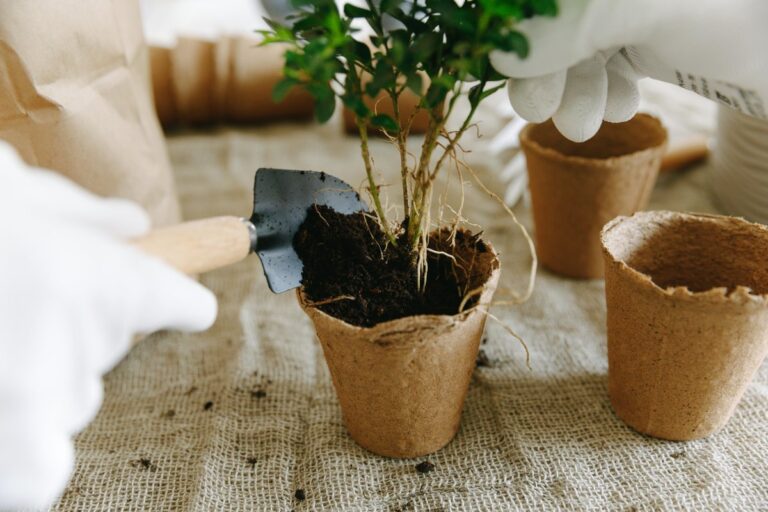
2. Mixing with Existing Soil: When using the composted soil, it’s often beneficial to mix it with existing garden soil to improve drainage and nutrient balance. A good rule of thumb is to mix one part composted soil with three parts existing soil.
3. Timing Your Planting: Depending on your USDA zone, be mindful of the planting seasons. For instance, in temperate zones, spring (after the last frost) is an ideal time to start planting. In warmer zones, consider the heat tolerance of your chosen plants.
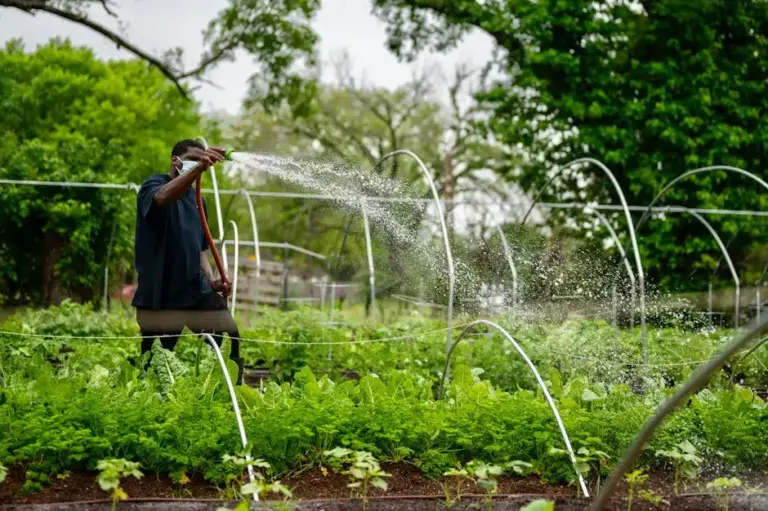
4. Nurturing the Garden: After planting, ensure your garden receives adequate water and care. Keep an eye on the growth patterns, and don’t hesitate to adjust watering and spacing as needed. Regularly adding organic matter can also further enrich the soil over time.
5. Creating a Dedicated Space: If you’re using this soil as a tribute, consider creating a special corner in your garden that can serve as a serene space for reflection. You might include a bench, decorative stones, or even a small fountain to enhance the atmosphere.
Ethical Considerations and Regulations
While the idea of using human composting soil is appealing to many, it’s crucial to navigate the ethical landscape surrounding this practice. Different states have varying regulations regarding human composting, so it’s essential to research and understand the legalities in your area.
Additionally, consider discussing your plans with family members to ensure everyone is comfortable with the idea. This open communication can help avoid misunderstandings and ensure that your tribute is respectful and meaningful.
Common Mistakes to Avoid
1. Neglecting Local Laws: Always check local regulations regarding human composting. Some areas may not permit this practice yet, so ensure you are following the law.
2. Using Too Much Soil: While composted soil is rich in nutrients, using too much can overwhelm plants. Stick to the recommended mixing ratios to maintain a balanced soil environment.
3. Forgetting About Maintenance: Just because the soil is nutrient-rich doesn’t mean plants won’t need care. Regular maintenance, including watering and weeding, is essential for a thriving garden.
4. Planting the Wrong Species: Be mindful of the plants you choose. Some plants may not thrive in the new soil if they are sensitive to nutrient levels or soil pH. Research your options to ensure compatibility.
Final Thoughts
Transforming loved ones into gardening soil is a unique, sustainable solution that honors their memory while nurturing the environment. By thoughtfully incorporating human composting soil into your garden, you can create a living tribute that reflects the beauty of life and growth. Whether you’re a seasoned gardener or just starting, this innovative approach offers a meaningful way to connect with nature and cherish memories in a heartfelt and lasting manner.