Iowa State’s Jessie Liebenguth Picks Galahad Tomato, Katarina Cabbage and Prizma Kale as All-America Selections Winners to Grow for Soup Season
Reiman Gardens at Iowa State University is both a trial site and a display garden for All-America Selections winners, and its home-garden picks for a pot of soup come from that trial ground. Jessie Liebenguth of Iowa State Extension and Outreach named three of them in an Oct. 12, 2026 Yard and Garden article: the ‘Galahad’ tomato, the ‘Katarina’ cabbage and the ‘Prizma’ kale.
The piece works as a planning guide rather than a to-do list for this week. Most gardens in the cold part of the country are done for the season, so the varieties below are the ones to order seed for next year, with details drawn from Iowa State and from the All-America Selections trial pages.
Galahad Tomato Brings Blight Resistance to the Soup Pot
Liebenguth called out the tomato’s “excellent blight resistance,” which she said makes it suited to late-season growing in humid, wet weather. It is determinate, so a couple of plants leave room for other crops, and she paired it with carrots in a tomato soup, which she said add depth and sweetness.
The All-America Selections page for Galahad F1 lists it as a 2020 Edible-Vegetable Winner. The plant is compact and determinate, growing about 4 feet tall and 2 feet wide, and fruit is ready about 75 days after transplanting. Fruits are round, red and about 3 inches across, weighing around 12 ounces, with a sweet, mild, meaty flavor that trial judges rated above comparison varieties.
The disease list is long. According to the page, the variety resists Verticillium, Fusarium wilt races 1 through 3, nematodes, gray leaf spot, tomato spotted wilt virus and late blight. The fruit is crack resistant, and the variety was bred by EarthWork Seeds and distributed by GardenTrends Wholesale.
Katarina Cabbage Fits a Container or a Corner
For cabbage, Liebenguth suggested a simple pot soup built from leftover produce: beans, the last tomatoes, peppers and herbs gathered before frost. She noted that ‘Katarina’ makes small heads of about 4 inches, which suits patio containers as well as in-ground beds.
The trial page for Katarina F1 shows it won in 2016 and describes a compact plant 10 to 15 inches tall with light green, round heads. Judges found it matured one to three weeks earlier than comparison varieties, about 55 days from seed or 45 days from transplant. It produces smaller side heads after the main head is cut, and the flavor is sweet and crisp, less bitter than conventional cabbage. Plants go 6 to 8 inches apart, with 12 inches between rows, and the variety comes from Bejo Seeds.
Prizma Kale Sweetens Up With a Light Frost
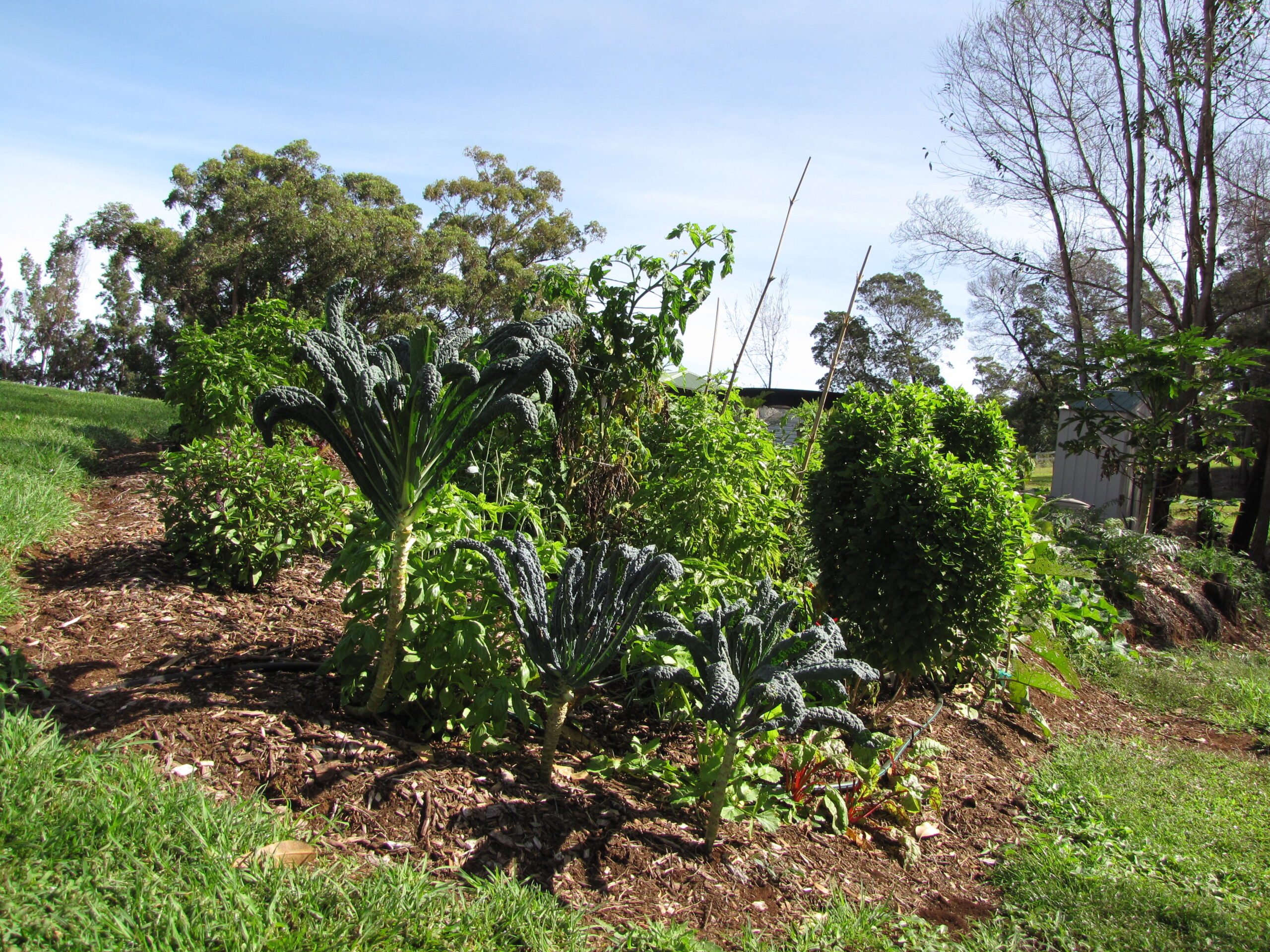
The third pick, kale ‘Prizma’, is a 2016 winner that grows about 15 inches tall and suits containers or in-ground planting, Liebenguth wrote. She said it benefits from a light frost, so it can be harvested into late fall or early winter, and she suggested it for Tuscan kale soup.
One spelling note: Iowa State’s article uses ‘Prizma’, while the All-America Selections listing spells the name ‘Prizm’, so seed catalogs may carry either form. The listing gives the same 2016 award year and a height of about 15 inches with a 10- to 12-inch spread. It takes 50 to 60 days from seed or 35 to 45 days from transplant, and it comes from Syngenta Vegetable Seeds.
The page describes a mild, nutty flavor and short, tightly ruffled leaves that are tender enough for salads but hold up when cooked. It does not give a formal frost rating, but it advises timing fall crops to finish in cool weather, since frost enhances flavor, and a reviewer in Maine’s Zone 5 reported plants that kept growing through several frosts.
What an All-America Selections Label Means
All-America Selections is an independent nonprofit that tests new, never-before-sold varieties for home gardeners. Liebenguth’s article describes it as a trialing program with more than 90 years of history. On its About page, the organization says it was founded in 1932, with the first winners announced in 1933.
Each year, impartial horticulture experts evaluate entries at trial sites across North America, judging garden performance, disease resistance, yield and ornamental appeal, along with traits such as earliness and taste for some crops. Winners earn a Gold Medal, National Winner or Regional Winner designation. For a home gardener, the practical meaning is that a variety has already been grown side by side with comparison plants before it reaches a seed rack.
A Soup Garden Mapped Onto Next Season
Put side by side, the three varieties cover different parts of the growing calendar. The cabbage is the quickest, at about 45 to 55 days. The kale is next, at roughly 35 to 60 days depending on whether it starts as transplant or seed, and it is the one that improves in cool weather. The tomato needs the most time, about 75 days from transplant, but its compact determinate habit keeps it from sprawling across the bed.
Liebenguth’s soup pairings fit that spread: tomato soup with carrots, a bean-and-cabbage pot for the last of the late tomatoes and peppers, and a Tuscan kale soup. Since the varieties are compact enough for containers, the same trio could be tried on a patio before committing a whole bed.
This article was produced with AI assistance and edited for accuracy against the sources linked above.
Image: Forest and Kim Starr – CC BY 3.0 us/Wikimedia Commons