Garden Habits Professionals Wish People Would Stop Doing That Sabotage Gardens
Ever wonder why your neighbor’s garden always looks so lush while yours feels like a constant struggle? Most of us pick up little habits in the garden that seem helpful but can actually hold our plants back.
Let’s dig into some of the most common gardening habits that might be sabotaging your efforts without you even realizing it.
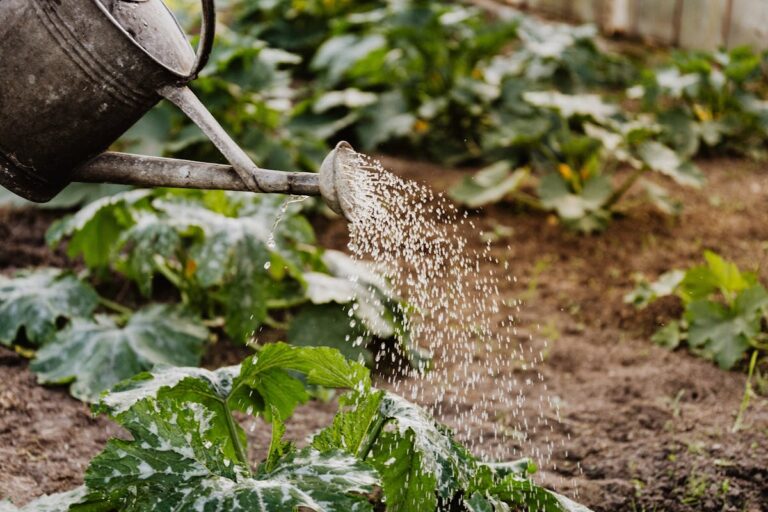
Overwatering
It’s easy to assume your plants need water every single day. In reality, most plants hate sitting in soggy soil.
When the roots are too wet, they can’t breathe. Leaves may turn yellow or wilt even though the soil feels damp.
Droopy leaves don’t always mean your plant is thirsty. If the soil is still moist, it’s probably a sign of overwatering.
Let the soil dry out a bit before watering again. Stick your finger an inch into the dirt—if it’s dry, water; if not, give it another day.
Ignoring soil health
If your plants aren’t thriving, your soil might be the culprit. Adding organic matter like compost or mulch makes a huge difference.
Healthy soil holds nutrients and water better. It also supports good microbes that protect your plants from disease.
Feed your soil, not just your plants. Toss in compost, mulch, or fallen leaves to keep things rich and lively.
Your plants will reward you with stronger roots and more vibrant growth.
Skipping mulching
Mulch acts like a cozy blanket for your garden beds. It keeps moisture from evaporating and stops weeds from taking over.
Less weeding means more time to enjoy your flowers and veggies. Plus, mulch helps regulate soil temperature on hot days.
You can use wood chips, straw, or even shredded leaves. No matter what you pick, your garden benefits.
A couple of inches around your plants can make a big difference.
Crowding plants
It’s tempting to squeeze lots of plants into a small space, but they end up competing for sunlight and nutrients.
Crowded plants are more likely to get weak and catch diseases. Airflow is key to keeping them healthy.
Plan your layout before planting. Give each plant enough space for its roots and leaves to spread out.
You’ll get bigger blooms and healthier harvests with a little extra elbow room.
Forgetting to prune
Neglecting to prune can leave your plants looking messy and weak. Trimming away dead or crowded branches lets new growth flourish.
Regular pruning keeps your garden looking neat and helps prevent disease. It also gives your plants better access to sunlight.
Don’t stress about getting it perfect. Use clean tools and trim at the right time for each plant.
A little snip here and there does wonders for your garden’s health.
Neglecting consistent maintenance
Gardens need regular check-ins to stay at their best. Skipping small chores like weeding or watering can lead to bigger problems later.
A little attention each week goes a long way. Catching issues early means less work overall and happier plants.
You don’t need fancy tools or tons of time. Just stick to a simple routine, and you’ll see the difference.
Your garden will feel like a peaceful retreat with just a bit of steady care.
Leaving the hose on
Letting the hose run too long can quickly waste water and drown your plants. Even if you step away for a minute, that water adds up.
Too much water around the roots means less oxygen and weaker plants. It can also cause hoses or plumbing to burst.
Turn off the hose as soon as you’re finished. Your plants and your water bill will both thank you.
It’s one of the easiest habits to fix for a healthier garden.
Planting without a plan
Planting on a whim can lead to crowded beds and unhappy plants. Many plants grow much bigger than their label suggests.
Always check the mature size before putting anything in the ground. This prevents future headaches and saves you from moving things later.
Measure out your space and start with easy-to-manage plants. Planning ahead keeps your garden looking tidy and balanced.
Your plants get the room they need to show off their best.
Using too much fertilizer
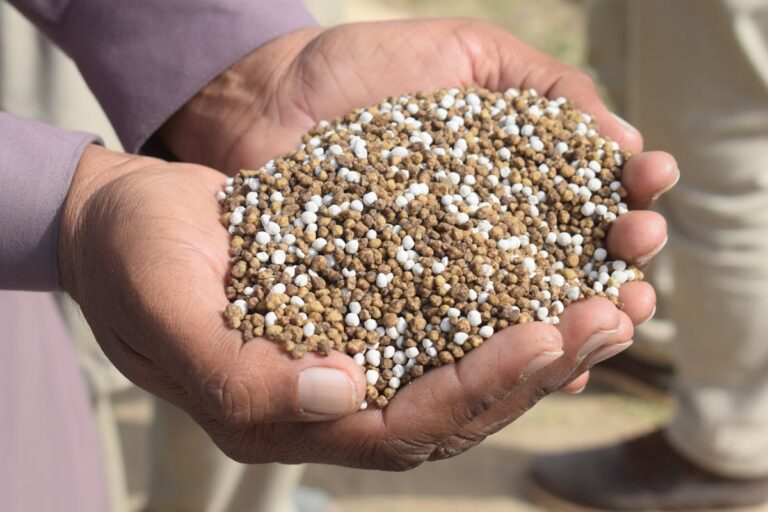
It’s tempting to give plants an extra boost with lots of fertilizer, but too much can hurt more than help.
Over-fertilizing can burn roots and turn leaves yellow. It also builds up salts in the soil, making it harder for plants to grow.
Stick to the recommended amount on the label. Less really is more when it comes to plant food.
Healthy, slow growth is better than quick fixes that backfire.
Ignoring local wildlife
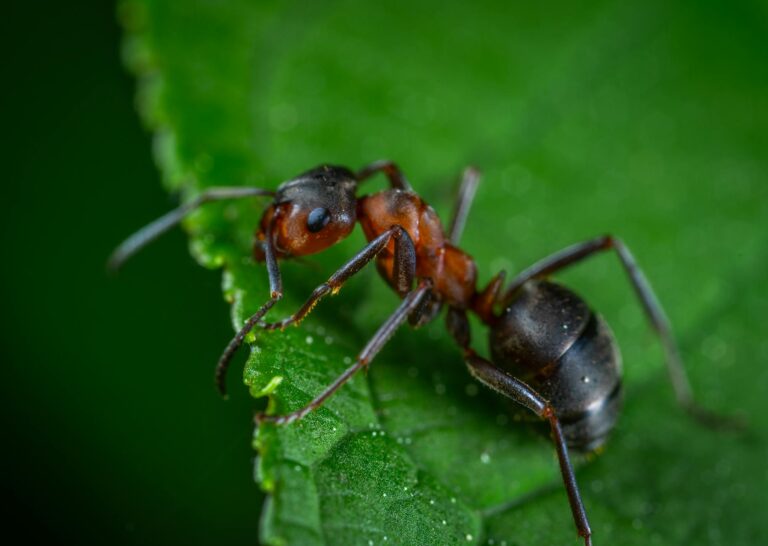
A garden isn’t just about plants—it’s home to bees, butterflies, and other helpful bugs. These visitors make your garden thrive.
Native plants are especially good for attracting pollinators. They offer the right food and shelter for local wildlife.
Leave some leaf litter or old stems for insects to hide and breed. Your garden will buzz with life and color.
Supporting wildlife turns your yard into a vibrant, healthy ecosystem.
Making a few simple changes to your gardening habits can transform your outdoor space. Pay attention to what your plants and soil need, give everything room to grow, and remember that a little consistency goes a long way.
Your garden will reward you with lush leaves, colorful blooms, and a peaceful spot to relax. Happy gardening!
Respecting Wildlife and Environmental Balance
Think of your garden as more than just your own space. It is a small part of a much bigger ecosystem.
Welcoming bees, birds, and helpful insects can make a real difference in your yard. These creatures help keep pests under control without much effort from you.
Try planting flowers and native shrubs to give pollinators food and shelter. Skip the harsh chemicals that can harm the good bugs.
Letting natural predators like ladybugs move in can really help with pest problems. A lively garden filled with wildlife often feels more rewarding and is easier to care for in the long run.