Garden Trends for 2026 Homeowners Will Love to Transform Outdoor Living Spaces
If you’re looking for ways to make your outdoor space more inviting this year, there’s a lot to get excited about. Whether you have a sprawling backyard or just a balcony, new trends are making it easier to enjoy nature and show off your style.
This year’s garden ideas are all about bringing beauty and personality to your space. From bold colors to eco-friendly designs, you can find fresh ways to relax and recharge outdoors.
Pollinator-Friendly Gardens to Attract Bees and Butterflies
Imagine stepping outside and seeing butterflies and hummingbirds fluttering around your flowers. Creating a pollinator-friendly space is easier than it sounds.
Start with native plants that offer nectar and pollen. Bright shades like purple, yellow, and red will catch the eye of pollinators.
You don’t need a huge yard. Even a few pots on your balcony can help. Adding a small water source and skipping pesticides will keep your garden safe for these helpful visitors.
A little regular care, like removing weeds and spent blooms, keeps your garden thriving. You’ll be helping nature and enjoying bursts of color all season.
Drought-Tolerant Plantings for Water-Wise Landscaping
If you want a garden that stays beautiful but doesn’t need much water, drought-tolerant plants are the way to go. They help you save on your water bill and cut down on maintenance.
Succulents, aromatic herbs, and hardy shrubs can handle dry spells and still look great. Pair them with mulch to keep moisture in and try adding rocks or permeable paths for a modern touch.
Choosing plants suited to your local climate means less stress and more time enjoying your space. Your garden will look lively even when rain is scarce.
Bold Color Palettes Featuring Vibrant Flowers
Ready to shake things up? Bright, bold colors are making gardens stand out in 2025.
Electric blues, fiery oranges, and deep reds make your space feel full of energy. Mixing these with softer pastels or rich, dark tones can create a unique look.
Don’t shy away from experimenting. Your garden can reflect your personality and become a place you love to show off.
These vibrant flowers also attract pollinators, so your garden will be buzzing with life. Choose shades that make you happy every time you step outside.
Living Fences Using Native Shrubs and Trees
If you’re tired of looking at plain fences, consider planting a living fence with native shrubs and trees. They blend into the landscape and support local wildlife.
Mix different shrubs and small trees for a textured, colorful barrier that changes with the seasons. Native plants require less water and care, making them an easy choice.
A living fence adds privacy and a natural feel to your yard. You’ll also be helping birds and pollinators find shelter.
Hummingbird-Friendly Gardens with Nectar-Rich Plants
There’s nothing like watching hummingbirds dart among your flowers. Planting nectar-rich blooms makes your garden a favorite stop for these energetic birds.
Look for bright, tubular flowers like fuchsia or agastache. Both large and small gardens can attract hummingbirds with the right plants.
Set up these flowers in sunny or partly shaded spots. You’ll enjoy their color and movement while supporting local wildlife.
Your garden will feel more alive, and you’ll get to see these amazing birds up close.
Climate-Adaptive Perennial Gardens
Want a garden that handles whatever the weather throws at it? Climate-adaptive perennials are a smart choice.
These tough plants return every year and can survive heat, drought, or sudden storms. You won’t need to replant or worry about losing them to wild weather.
Mix perennials that bloom at different times for color throughout the seasons. Many also attract pollinators, adding energy and movement to your space.
You’ll have a reliable garden that looks good all year and supports the environment.
Maximalist Spaces with Layered Textures and Plants
If you love a garden that feels full and lively, try layering plants with different textures and heights. Mix bold colors, unique shapes, and a variety of leaves for a space that feels exciting.
Tall plants can create a backdrop, while smaller, textured ones fill in the front. Combining shiny leaves, soft petals, and rough bark makes every corner interesting.
Don’t worry if some colors clash. It adds a playful, creative touch. Each visit to your garden becomes a new adventure.
Maximalist gardens also attract more birds and pollinators, making your space buzz with activity.
Kitchen Gardens with Built-In Seating Areas
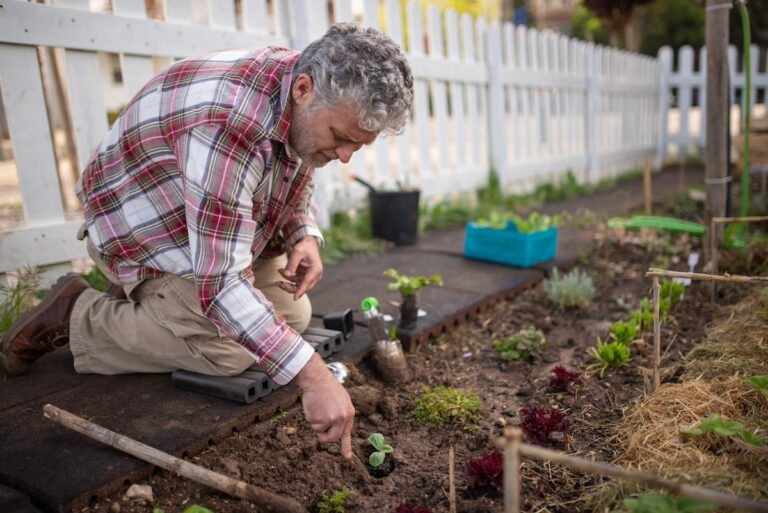
Imagine picking fresh herbs and veggies just steps from your kitchen, then relaxing in a cozy spot nearby. Kitchen gardens with built-in seating are making outdoor spaces more inviting.
Add benches, stools, or stone walls that double as seats. You’ll have a perfect place to unwind or chat with friends while tending your plants.
Natural materials like wood and stone blend in beautifully. Built-in seating also keeps your garden organized and saves space.
Having a seat nearby means you’ll spend more time enjoying your garden. It’s a simple way to make your space both practical and relaxing.
Indoor Sprout Growing for Fresh Greens Year-Round
You don’t need a big garden to enjoy fresh greens. Indoor sprout growing lets you have crisp salads and healthy snacks any time of year.
All you need is a bit of space on a windowsill or shelf. Sprouts grow fast without soil, just seeds, water, and airflow.
Alfalfa, broccoli, and other organic seeds are easy to try. You’ll have a steady supply of fresh greens for your meals.
This low-fuss method fits any lifestyle and connects you to your food in a fun way.
Wildflower Meadows to Support Local Ecosystems
If you want your garden to support wildlife and look beautiful, wildflower meadows are a great choice. They attract bees, butterflies, and birds while filling your yard with color.
Wildflowers improve soil health by adding nutrients as they grow and decay. You won’t need extra fertilizers or constant mowing.
Letting native wildflowers take root gives shelter and food to many creatures. These meadows are easy to care for and help create a healthy ecosystem right outside your door.
Why 2025 Is a Standout Year for Garden Design
This year, gardens are becoming more connected to nature and everyday life. Homeowners are making choices that blend beauty, function, and sustainability.
Emerging Influences on Outdoor Spaces
Garden design in 2025 is all about comfort, sustainability, and supporting local wildlife. Native and drought-tolerant plants are popular because they save water and resist disease.
You’ll see more gardens with features for pollinators and birds. Natural materials and eco-friendly designs are also on the rise.
How Homeowners Are Shaping Trends
People want outdoor spaces that feel personal and peaceful. Gardens are being used for relaxation, creativity, and growing food.
Bold color schemes and layered plantings are catching on. Mixing edible plants with flowers is making gardens more functional and fun.
The Impact of Sustainability on Modern Gardens
Sustainable choices are changing how people garden. By picking the right plants and materials, you can protect the environment and save money.
Eco-Friendly Gardening Practices
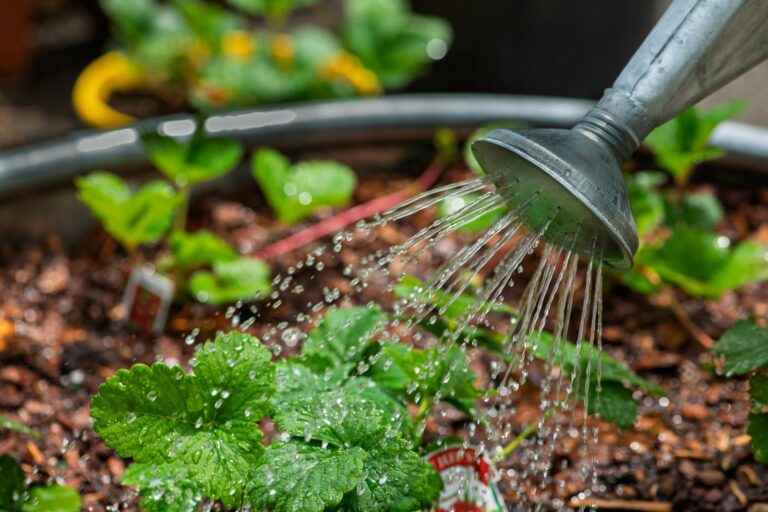
Water conservation is key. Drought-tolerant plants and mulching help keep your garden green with less effort.
Composting turns kitchen scraps into rich soil, reducing the need for chemicals. Planting flowers for pollinators supports bees and butterflies, creating a balanced and healthy garden.
Choosing the Right Materials for Longevity
When you’re planning your garden, it’s easy to get overwhelmed by all the choices out there. Thinking about which materials will last the longest can make a real difference.
Natural options like stone, recycled wood, or metal hold up well against the weather. You won’t have to replace them as often, which means less hassle and less waste.
Steer clear of products that contain harmful chemicals or break down quickly. Recycled plastic lumber is a great example of something that lasts and doesn’t leach toxins.
Consider how much effort it will take to keep everything looking good. The easier it is to maintain, the more you’ll enjoy your garden year after year.