Gardener Says a Local Nursery Used Photos of Her Backyard in Their Advertising Without Ever Asking or Crediting Her
A backyard garden that took years of patience to create unexpectedly became the center of a dispute after its owner noticed something strangely familiar while scrolling through social media.
A Familiar View Appeared on the Screen
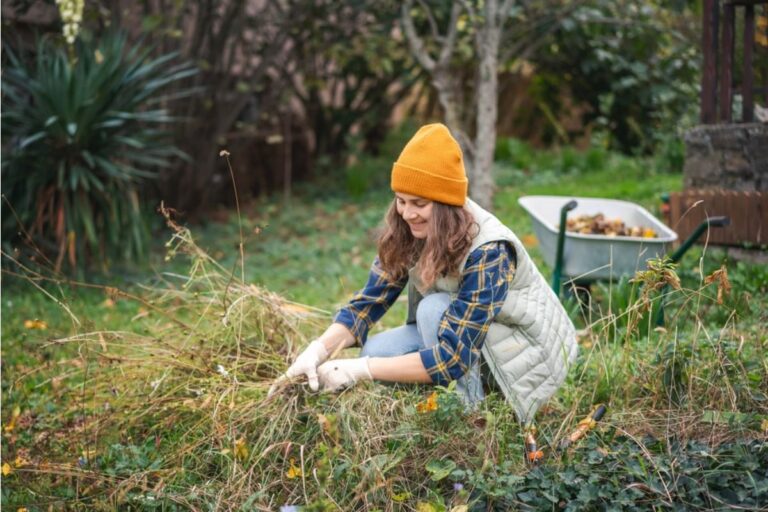
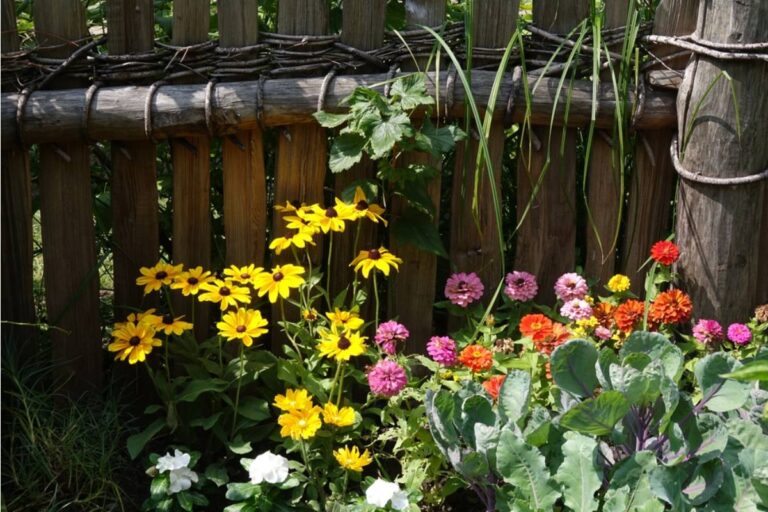
Rachel loved ending her evenings by browsing gardening pages for inspiration. One post from a popular local nursery immediately caught her attention because the flower beds looked exactly like her own. At first she assumed the similarity was a coincidence, but then she spotted a handmade blue birdhouse that her father had built years earlier. There was no question the photo had been taken in her backyard. The advertisement encouraged people to visit the nursery for ideas to transform their own outdoor spaces.
Rachel stared at the screen in disbelief. She had never worked with the nursery, never entered a contest, and never given permission for anyone to photograph her property. The post had already gathered hundreds of comments praising the beautiful landscape.
Memories of an Earlier Visit
As she tried to understand how the nursery had obtained the pictures, Rachel remembered an open garden tour held the previous spring. Several homeowners in the neighborhood had volunteered to let visitors walk through their gardens to support a local charity. The event welcomed gardening enthusiasts, photographers, and local businesses.
Rachel recalled speaking with dozens of visitors throughout the afternoon.
Among them had been two employees wearing shirts with the nursery’s logo. They complimented her vegetable beds, admired her pollinator flowers, and asked general questions about the plants she grew. They never mentioned taking photographs for advertising.
Small Details Confirmed the Truth
Rachel enlarged the advertisement on her computer.
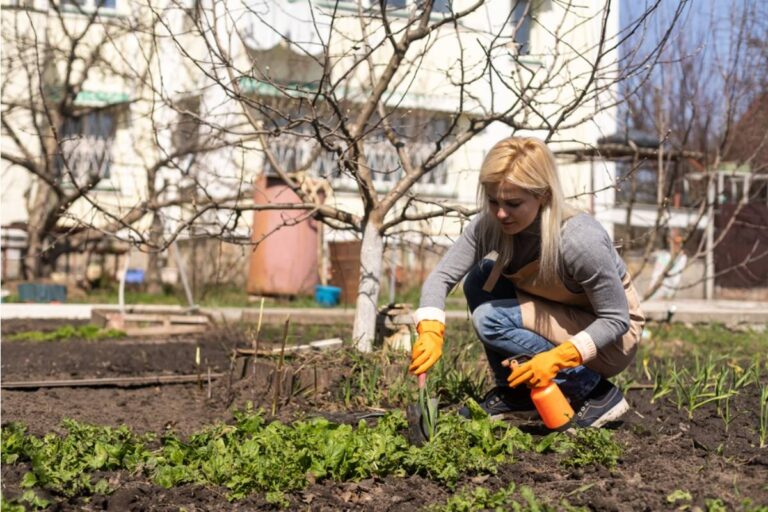
Every detail matched her yard perfectly. The stepping stones had a cracked corner from when her nephew accidentally dropped one years ago. A rust colored watering can sat beside the greenhouse exactly where she usually left it after finishing her evening chores.
Even her golden retriever Daisy appeared in one corner of another photo.
Although Daisy’s face was partially hidden by flowers, Rachel instantly recognized her bright red collar. There was simply no possibility that the images belonged to someone else.
Friends Began Sending Messages
The next morning Rachel’s phone filled with notifications.
Several friends had seen the advertisement and assumed she had partnered with the nursery. One friend texted, “Congratulations on getting featured.”
Another asked whether Rachel had started working as a garden designer.
Rachel had to explain repeatedly that she knew nothing about the campaign. The more she answered questions, the more uncomfortable she became because people believed she had endorsed the business.
The First Phone Call Went Nowhere
Rachel contacted the nursery and politely asked to speak with the manager.
She explained that the photographs appeared to show her private property and asked how they had been obtained. The employee who answered seemed surprised but insisted someone would investigate.
Hours passed without a response.
When Rachel called again, another employee simply suggested the marketing department handled promotional materials. Nobody offered a clear explanation or acknowledged her concerns.
A Photographer Recognized the Images
Later that week Rachel attended a local gardening workshop.
During a break, a freelance photographer named Melissa overheard Rachel discussing the situation. Melissa immediately recognized the advertising campaign because she had worked with the nursery on unrelated projects before.
She examined the social media posts on Rachel’s phone.
Melissa quietly pointed out something Rachel had overlooked. The photographs appeared professionally edited, suggesting they had been processed specifically for promotional use rather than casually posted online by a visitor.
An Old Event Program Raised Questions
Rachel searched through the folder where she kept papers from the charity garden tour.
Inside she found the event brochure and participant information. Visitors had been encouraged to take personal photographs for inspiration, but Rachel could not find any statement allowing businesses to use those images for commercial advertising.
She contacted the charity organizer.
The organizer sounded genuinely concerned and confirmed that participating homeowners had never been told their gardens might appear in marketing campaigns. That conversation changed the situation from an annoyance into something much more serious.
The Nursery Finally Responded
Two days later the nursery manager called Rachel personally.
He explained that the marketing team had received photographs from an outside contractor who attended the garden tour. According to him, they believed the images could be used because they had been taken during a public event.
Rachel asked a simple question.
Did anyone ever ask the homeowners?”
The manager admitted he did not know.
More Homeowners Came Forward
After Rachel shared her experience in the neighborhood gardening group, several other homeowners began checking the nursery’s advertisements.
One family found a photo featuring their front walkway.
Another discovered a close up image of their rose garden on the nursery’s website.
Although Rachel’s backyard appeared most frequently, she realized she was not the only homeowner affected. The discussion quickly shifted from one person’s complaint to a broader conversation about respecting private property.
An Unexpected Visitor
One afternoon a young marketing assistant from the nursery knocked on Rachel’s front door.
She looked nervous and carried a folder filled with printed advertisements. She explained that she had recently joined the company and wanted to understand exactly which photographs belonged to Rachel.
As they walked through the backyard together, the assistant recognized nearly every featured image.
She quietly admitted she had assumed the company already had written permission because the campaign had been running for months. Seeing the garden in person made her realize how personal the space truly was.
The Story Spread Beyond the Neighborhood
A local community newspaper heard about the disagreement through the gardening club.
Rather than focusing on legal arguments, the article discussed the importance of asking permission before using images of private homes in commercial promotions. Readers shared stories about photographers appearing at community events and later seeing unexpected photos online.
Rachel received supportive emails from complete strangers.
Many said they would have been proud to let businesses feature their gardens if someone had simply asked first and acknowledged the homeowners who created them.
A Different Kind of Proposal
The nursery owner invited Rachel to meet in person.
Instead of defending the advertising campaign, he apologized for the confusion and admitted the company should have verified permission before publishing the images. He explained that several employees had assumed the outside contractor handled all necessary approvals.
Rachel appreciated the apology but explained that trust had been damaged.
She said the issue had never been about money. It was about seeing years of personal work presented as marketing material without a single conversation or even a simple credit recognizing the garden’s creator.
Making Things Right
Within days the nursery removed every advertisement featuring Rachel’s property.
The company also contacted the other affected homeowners to review each image individually. New internal guidelines required written permission before using photographs of private gardens in future campaigns.
Rachel noticed another meaningful change.
The nursery began highlighting local gardeners through voluntary features that included interviews, names, and personal stories. Homeowners who wanted to participate finally had the opportunity to decide for themselves.
A Garden That Inspired the Right Lesson
Months later Rachel’s backyard continued attracting visitors during the annual charity garden tour. This time photographers introduced themselves before taking pictures, businesses asked whether they could share images, and volunteers explained exactly how photographs might be used afterward.
The atmosphere felt noticeably different.
People still admired the colorful flowers, healthy vegetables, and winding stone paths, but they also respected the effort behind them. Rachel never expected her quiet backyard to spark a conversation across the community, yet the experience reminded everyone that creativity deserves both appreciation and permission. By the following season, the garden was known not only for its beauty but also for helping establish better respect between homeowners, photographers, and local businesses.