Gardener Says Her Backyard Became the Neighborhood’s Favorite Shortcut for Lost Balls and Toys, Now She’s Finding Excuses to Keep the Gate Closed
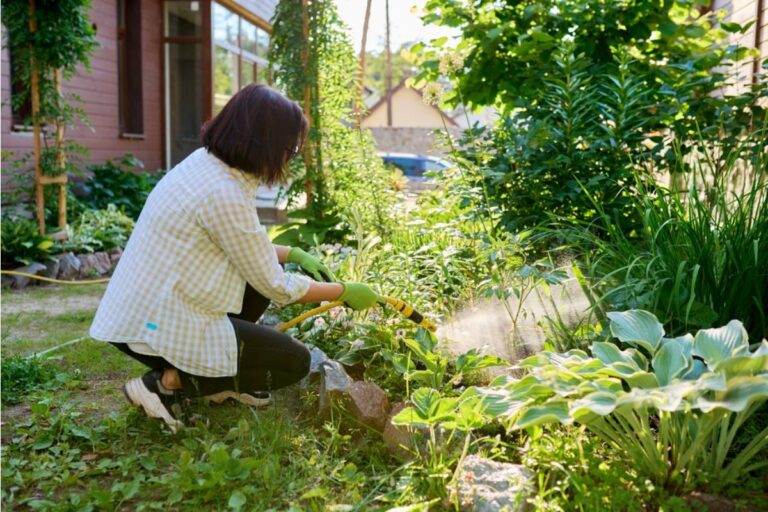
When Melissa Grant moved into her house in a quiet neighborhood in North Carolina, she expected the backyard to be her private space. She spent weekends planting vegetables, building flower beds, and setting up a small seating area where she could read in peace. For the first few months, everything felt exactly as she hoped. Then something small started happening that she barely noticed at first. A football landed near her tomato plants. Then a frisbee. Then a baseball. And slowly, her backyard stopped feeling like it belonged only to her.
The First Ball Over the Fence
It started on a Saturday afternoon when a soccer ball rolled into her yard. A boy from the house behind her fence shouted a quick apology and asked if he could retrieve it. Melissa smiled and said yes. She thought it was a one time thing. She even handed the ball back with a laugh.
More Than Just Accidents
Within a week, more balls appeared. Some came from the left side of the yard, others from the right. Melissa began noticing kids standing near the fence more often. They would call out before jumping in to retrieve their things. It still felt harmless, but the frequency was increasing.
The Shortcut Discovery
One afternoon, Melissa realized the kids were not just retrieving balls. They were cutting through her yard to reach the street faster. Instead of walking around the block, they used her backyard as a shortcut. She only noticed when she saw footprints through her garden beds. That was the first moment she felt uneasy.
A Polite Conversation at the Fence
Melissa decided to talk to the parents next door. She explained that the backyard was not meant to be a passageway. The parents apologized and said they would tell the kids to stop. For a few days, things improved. She thought the issue was resolved.
The Pattern Returns
By the following weekend, the shortcuts started again. This time, the kids were quieter about it. They would enter quickly, grab their balls, and leave without knocking. Melissa watched from her kitchen window, unsure whether to intervene. She did not want to be the “angry neighbor,” but she also wanted her space respected.
The Garden Starts to Suffer
As more balls landed in her yard, the damage became noticeable. Tomato vines were bent, and flower beds were trampled. Melissa started placing small markers around her plants, hoping it would help. It did not. The backyard was becoming a playground path rather than a garden.
A Neighbor Offers a Suggestion
One of the parents suggested she install a simple gate sign that says “no entry.” Melissa hesitated, thinking it might seem unfriendly. The neighbor reassured her it was normal. Still, she delayed putting anything up, hoping behavior would change naturally.
The First Confrontation
One afternoon, Melissa stopped a group of kids as they ran through her yard. She calmly explained that they needed to stop using it as a shortcut. The kids looked surprised and apologized. But later that same day, she saw them doing it again when she was not outside.
The Gate Becomes a Problem
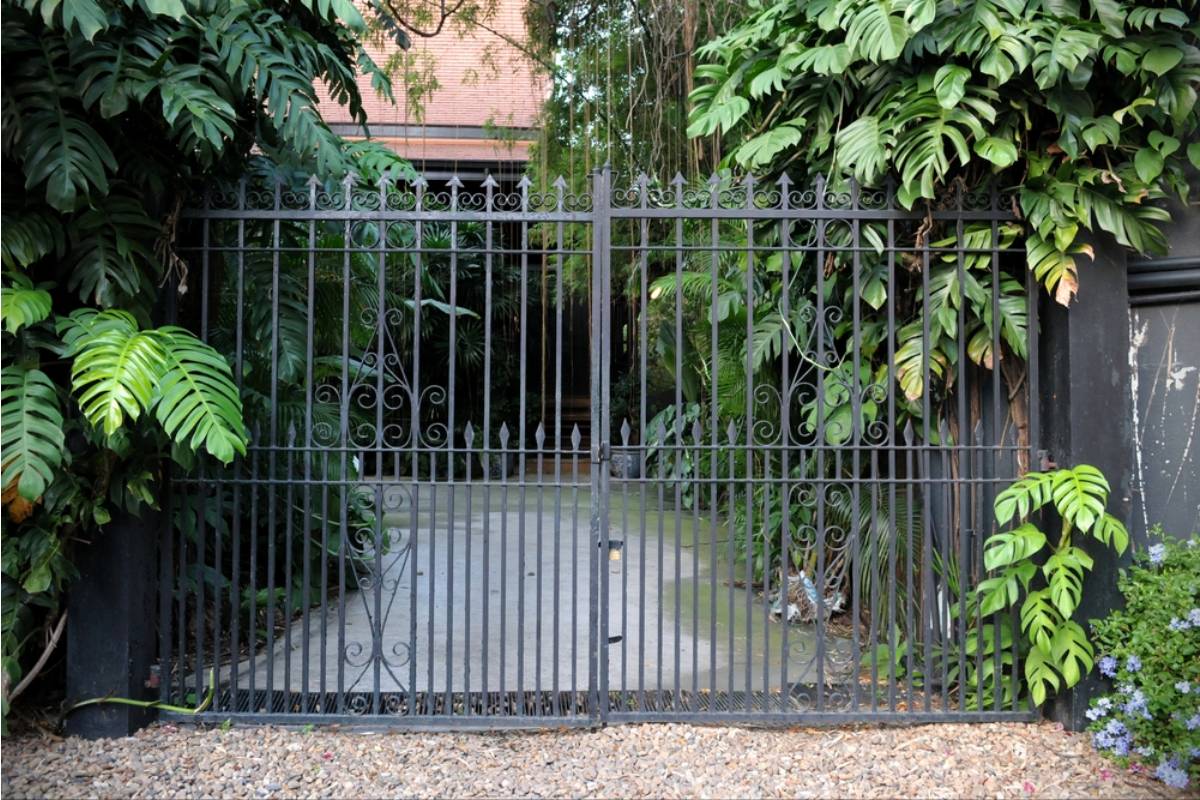
Melissa installed a small lock on her side gate, thinking it would solve everything. It worked briefly. Then she began finding the latch tampered with, left slightly open. Nothing was broken, but it was clear someone was still trying to get through. That made her more uncomfortable than the shortcuts themselves.
A Neighborhood Split Forms
Some neighbors agreed with Melissa, saying private property should be respected. Others felt she was overreacting, arguing that kids had always played freely in the area. Conversations at neighborhood gatherings became tense. Melissa found herself avoiding discussions altogether.
A Lost Ball Incident Escalates
One evening, a baseball landed near her back door. When she refused to let the kids retrieve it immediately, they waited outside the fence for nearly an hour. A parent eventually came over, visibly frustrated. The exchange was polite but strained. It was clear expectations had shifted on both sides.
Melissa Starts Changing Her Routine
Melissa began timing her gardening work for early mornings when fewer kids were outside. She also started closing the gate even during the day, something she never used to do. Her backyard no longer felt like a relaxing space. It felt monitored and unpredictable.
A Surprising Apology
One of the older kids eventually came to her directly and apologized. He admitted they did not think it bothered her that much. He explained that the shortcut had just become normal for them. Melissa appreciated the honesty but realized habits had formed that were hard to undo.
A Fence Conversation Changes Tone
Melissa had a longer talk with the most involved parents. This time, she was firmer about boundaries. She explained how the constant traffic affected her garden and her sense of privacy. The parents finally acknowledged they had underestimated the impact. They promised to intervene more seriously.
A New Normal Slowly Forms
Over the following weeks, the number of incidents decreased. A few stray balls still landed occasionally, but the shortcuts stopped. Melissa gradually began reopening her garden space during the day. The yard slowly returned to feeling like her own again.
What the Backyard Taught Her
Melissa still enjoys her garden, but she is more protective of it now. The experience changed how she views shared space and boundaries in a neighborhood. She learned that small allowances can quietly become expectations if not addressed early. And now, every time she sits outside, she appreciates the quiet in a way she did not before.