Gardener Says Her Neighbor Called Her Front-Yard Orchard “Ridiculous” for Years, Then Asked for a Basket of Fruit the Moment a Magazine Came to Photograph It
For nearly six years, the small front yard attracted more criticism than compliments. Instead of a perfectly trimmed lawn, it held dwarf apple trees, blueberry bushes, espalier pears, herbs, and colorful flowers planted together in carefully planned layers.
Some neighbors admired the creativity, but one next door never missed a chance to make a sarcastic comment. What began as harmless teasing slowly became a pattern that tested the gardener’s patience. Everything changed when unexpected attention turned the once mocked yard into the most talked about property on the block.
The First Complaint Came Before the Trees Had Even Grown
When the gardener planted the first two dwarf apple trees, her neighbor Linda leaned over the fence with crossed arms. “People expect nice lawns around here,” she said. “This looks like you’re trying to start a farm.”
The gardener smiled politely and explained that the trees would stay compact and provide fresh fruit without taking over the yard. Linda rolled her eyes and walked away, muttering that nobody wanted to look at fruit trees from the street. From that day forward, every improvement seemed to earn another comment.
Every Season Brought Another Remark
As the orchard slowly expanded, Linda developed a habit of stopping whenever she saw the gardener working outside. She questioned the raised beds, laughed at the berry bushes, and claimed the yard looked cluttered instead of elegant.
Other neighbors mostly stayed quiet, but they overheard enough conversations to notice the pattern. The gardener never argued. She simply kept planting, pruning, and learning better techniques every year.
The Yard Finally Started Looking Exactly as Planned
After several growing seasons, everything matured together. Apple blossoms framed the walkway each spring. Blueberries filled the edges of flower beds, while herbs created a fragrant border near the porch.
Visitors often slowed their cars just to admire the unusual landscape. Children walking home from school pointed excitedly whenever tiny pears began appearing on the branches. The gardener finally felt the years of effort paying off.
Curiosity Began Replacing Criticism
One afternoon another neighbor asked if she could take pictures for inspiration before redesigning her own yard. Soon several people knocked on the door wanting advice about dwarf fruit trees and edible landscaping.
Linda noticed the growing interest but dismissed it as a passing trend. She joked that people would eventually realize lawns were easier than maintaining fruit trees. Still, she spent more time watching from her porch than she ever had before.
A Local Garden Club Made an Unexpected Visit
Everything shifted after a local garden club hosted a neighborhood walking tour. Nearly two dozen members stopped in front of the house while the gardener explained companion planting and natural pollination.
The visitors filled notebooks with ideas and complimented the thoughtful layout. One member mentioned submitting photos to a regional gardening magazine that featured unique residential landscapes. The gardener thanked her without expecting anything to come from the suggestion.
An Email Changed the Entire Week
Several weeks later, an editor reached out asking whether photographers could visit for a feature about productive front yards. The magazine wanted to show readers how homeowners could grow food without sacrificing curb appeal.
The gardener happily agreed. She spent the following days tidying paths, removing weeds, and making sure every tree looked its best. Word traveled quickly through the neighborhood once people noticed the camera crew’s scheduled arrival.
The Same Neighbor Suddenly Sounded Different
The evening before the photographers arrived, Linda appeared at the front gate carrying an unusually cheerful smile. Instead of criticizing the orchard, she complimented how beautiful everything looked.
Then she casually asked, “Since your apples and peaches are looking so good, do you think I could have a basket after the magazine finishes? I’d love to tell my family they came from next door.”
The gardener was surprised by the sudden change. It was the first positive thing Linda had ever said about the orchard.
An Honest Answer Created an Awkward Silence
The gardener paused before responding. “I’m actually giving this year’s harvest to family, friends who helped me, and the community pantry.”
She added that growing fruit required years of pruning, watering, protecting blossoms, and learning from mistakes. Linda’s smile faded almost immediately. She quietly replied, “I guess I thought neighbors shared.”
The gardener answered calmly, “Neighbors also encourage each other.”
The Photo Shoot Drew a Crowd
When the photographers arrived, several neighbors gathered across the street to watch. The editor asked thoughtful questions about choosing disease resistant varieties and keeping fruit trees attractive in a suburban setting.
The gardener demonstrated how each section served multiple purposes. Flowers attracted pollinators, herbs discouraged pests, and berry bushes provided food while creating natural borders. The crew photographed children from nearby homes admiring blossoms from the sidewalk after receiving permission from their parents.
Conversations Spread Across the Neighborhood
By the next weekend, everyone seemed to know about the upcoming magazine feature. Some neighbors admitted they had never realized how much planning had gone into the landscape.
A retired couple asked where they could buy dwarf fruit trees for their own yard. Another family requested advice about growing blueberries with young children. Instead of becoming annoyed by constant questions, the gardener happily shared everything she had learned through years of trial and error.
The Magazine Finally Reached Mailboxes
When the issue was published, the orchard covered nearly an entire page. The article praised the balance between beauty and practicality, explaining how edible landscaping could strengthen neighborhood connections while supporting local wildlife.
Readers especially loved the colorful photographs showing flowers mixed naturally with fruit trees instead of separating ornamental and edible plants. The gardener received dozens of kind messages from people inspired to rethink their own front yards.
A Small Community Event Changed the Atmosphere
Encouraged by the positive response, the gardener organized a free weekend workshop in her yard. She demonstrated basic pruning techniques and explained which fruit varieties performed well in smaller suburban spaces.
People brought folding chairs and notebooks. Several children planted herb seedlings to take home, while adults exchanged gardening tips with one another. The gathering felt less like a class and more like neighbors discovering a shared interest.
An Unexpected Knock Came Weeks Later
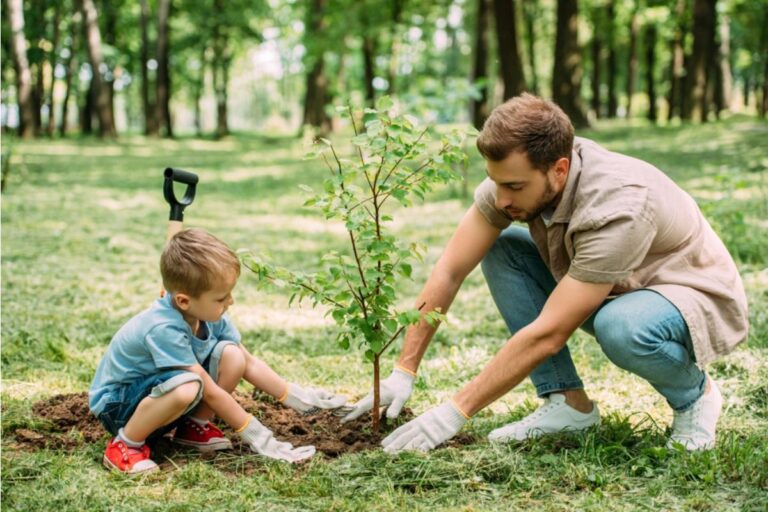
One afternoon Linda knocked on the front door looking noticeably uncomfortable. She admitted she had recently planted two dwarf apple trees after reading the magazine article.
She confessed she underestimated how much work they required and apologized for years of sarcastic comments. “I thought you were making things difficult for yourself,” she admitted. “Now I realize you were building something I never understood.”
The gardener accepted the apology and spent nearly an hour explaining proper watering, pruning, and fertilizing. This time the conversation ended with genuine appreciation instead of criticism.
The Harvest Became About More Than Fruit
As another growing season came to an end, baskets of apples, pears, peaches, and blueberries filled the kitchen. The gardener shared them with relatives, longtime friends, volunteers from the workshop, and the local food pantry just as she had planned.
She also surprised Linda with a small basket containing a handwritten note that read, “These are for celebrating new beginnings, not old arguments.” Linda smiled warmly and thanked her without trying to justify the past.
Looking around the flourishing front yard, the gardener realized the greatest reward had never been the magazine feature or the compliments from strangers. It was watching years of quiet persistence transform skepticism into curiosity, curiosity into respect, and finally respect into a stronger neighborhood where people learned that patience often produces the sweetest harvest of all.