Gardener Says Her Sister Borrowed Heirloom Seeds to “Try Growing Them Too” and Never Mentioned She’d Already Started Selling the Harvest
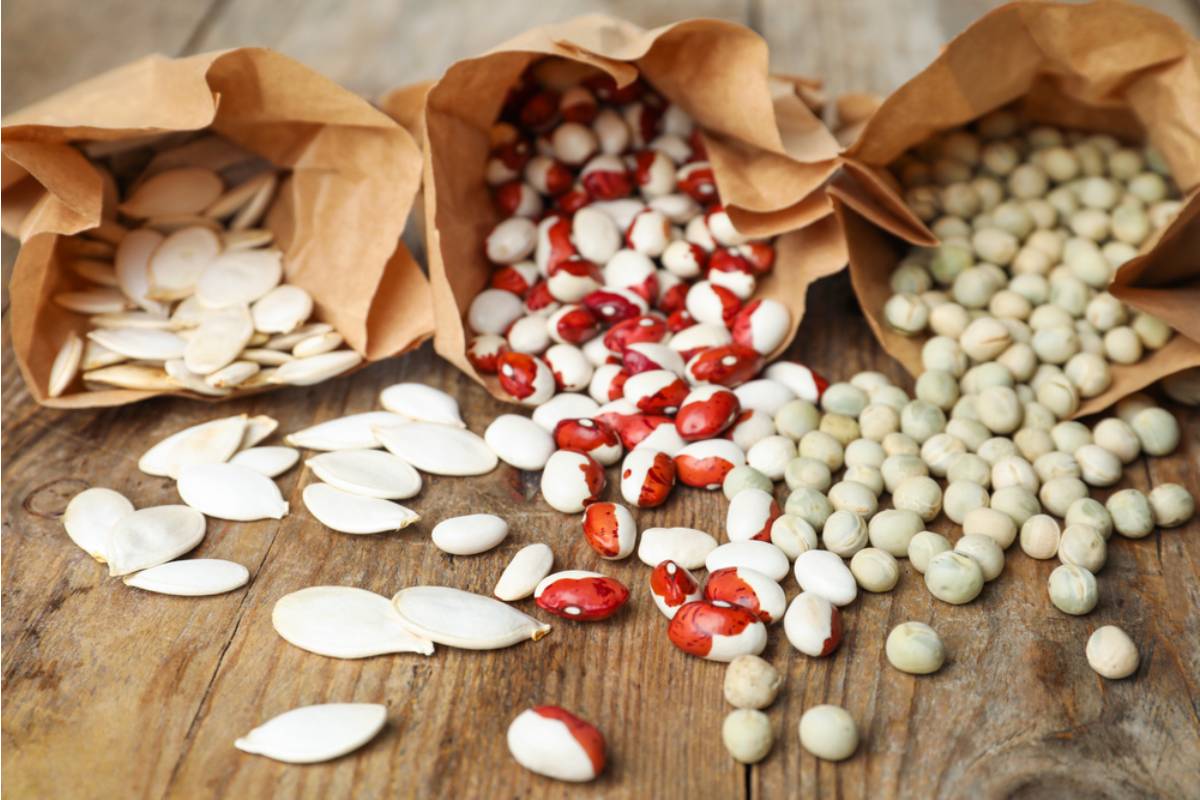
Lena had always treated her grandmother’s heirloom seeds like something closer to family history than gardening supplies. The small glass jar sat in her kitchen, labeled in faded ink, and she only opened it during planting season.
Each variety had a story attached, including beans that survived generations and tomatoes known only within their county. When her sister Brooke asked to “borrow a few seeds to try at her place,” Lena did not hesitate. She trusted her, because in their family trust was supposed to matter more than anything else.
The first sign something felt off
A few weeks later, Brooke sent photos of seedlings that looked unusually healthy for their stage. She said everything was going better than expected and even joked that she might have a “green thumb she never knew about.” Lena felt happy for her at first and offered advice about soil and spacing. But she noticed Brooke was strangely specific about not sharing exact details of her setup. It felt small, but it lingered in Lena’s mind longer than she expected.
A local market visit changes everything
One Saturday morning, Lena went to a local farmers market outside her town. She was not looking for anything specific until she saw a vendor table filled with produce that looked familiar. The tomatoes had the same unusual striped pattern as her grandmother’s heirloom variety. Even the beans were arranged in a way she had only ever seen in her own garden. When she asked the vendor where the seeds came from, the answer included a name she recognized immediately.
Brooke explains it like it is normal
When Lena confronted her sister that evening, Brooke acted calm and unbothered. She admitted she had started selling some of the harvest because demand grew faster than expected. Brooke said she never thought it needed a conversation since she was “just sharing what grew from borrowed seeds.” Lena asked how something borrowed turned into a business. Brooke responded that once something is planted, it becomes part of what you build. That answer did not sit right with Lena at all.
The seed jar is suddenly not full anymore
Lena went to check the original jar and realized it was noticeably lighter than before. She counted carefully and saw that more than half the seeds were gone. Brooke admitted she had taken extra because germination rates were not guaranteed. Lena felt her trust had been stretched without permission far beyond what she had agreed to. What had started as a small favor now looked like something much larger had been taken.
Social media reveals a bigger operation
A friend later sent Lena a link to an online page promoting fresh organic produce from Brooke’s small garden project. The photos showed neatly packed boxes labeled with the same heirloom varieties. Customers were praising the taste and asking about weekly availability. There was no mention anywhere of where the seeds originated. Lena scrolled through comments feeling increasingly unsettled as strangers celebrated something tied directly to her family history.
A conversation turns into an argument
Lena confronted Brooke again, this time bringing screenshots as proof. Brooke insisted she was building something sustainable and helping local customers access better produce. Lena asked why she was never told about selling or scaling anything commercially. Brooke replied that she assumed Lena would not care as long as the seeds were still being used. The conversation escalated quickly and ended with both of them refusing to agree on what ownership even meant anymore.
Their mother tries to mediate
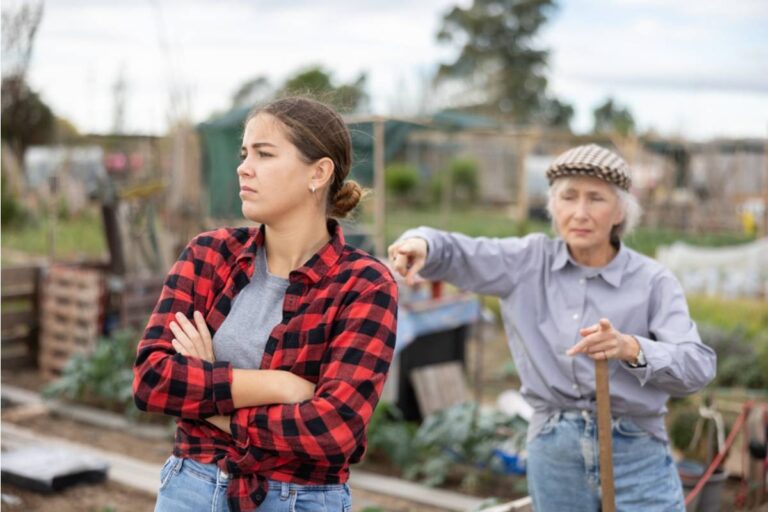
Their mother invited them both over in an attempt to calm things down. She reminded them that the seeds came from family tradition meant to be shared, not controlled. Lena argued that sharing did not mean commercial use without consent. Brooke said she was only continuing what their grandmother would have wanted, which made Lena even more frustrated. The conversation ended without resolution, leaving the family divided into quiet tension.
A customer recognition creates pressure
At a later market visit, someone recognized Lena and mentioned that her sister’s produce was becoming popular among regular buyers. The customer assumed both sisters were working together. Lena realized the business identity was already blending into a shared perception she never agreed to. That misunderstanding made the situation harder to separate. It was no longer just family conflict, but also public perception.
Seeds begin appearing under different labels
Lena discovered that Brooke had started labeling some products under a generic brand name instead of their family reference. This made tracing the origin harder for customers and vendors. When Lena asked about it, Brooke said it was just for simplicity and scalability. Lena felt that the original identity of the seeds was slowly being erased. The more she looked, the more intentional the shift seemed.
A small legal consultation changes tone
Lena spoke to a local agricultural advisor to understand her options. She learned that heirloom seeds can still carry shared ownership concerns depending on how they are documented within families. The advisor suggested putting clear agreements in place before any further cultivation or sales. Lena realized there had never been any written understanding between them. That lack of clarity suddenly felt like the center of the entire conflict.
The harvest season becomes a dividing point
As the next harvest approached, Brooke pushed to expand production while Lena wanted everything paused. Their disagreement affected timing, packaging, and distribution plans. Some customers began noticing delays and inconsistencies. Brooke blamed supply issues while Lena refused to provide additional seeds. The tension shifted from conversation to control over what could be grown next.
A surprising compromise begins to form
Eventually, their mother suggested something neither had considered before, a shared seed preservation agreement. It would allow Brooke to grow and sell only specific approved varieties while preserving the original heirloom line separately. After weeks of resistance, both sisters reluctantly agreed to try it. It was not a perfect solution, but it created boundaries where none existed before. For the first time since the conflict began, the seeds were no longer the source of silent resentment but a structure they both had to respect.