Gardener Says She Spent Three Seasons Growing a Butterfly Garden as Therapy After a Difficult Diagnosis, Then Her Neighbor Complained It Was “Attracting Bugs” and Got the City Involved
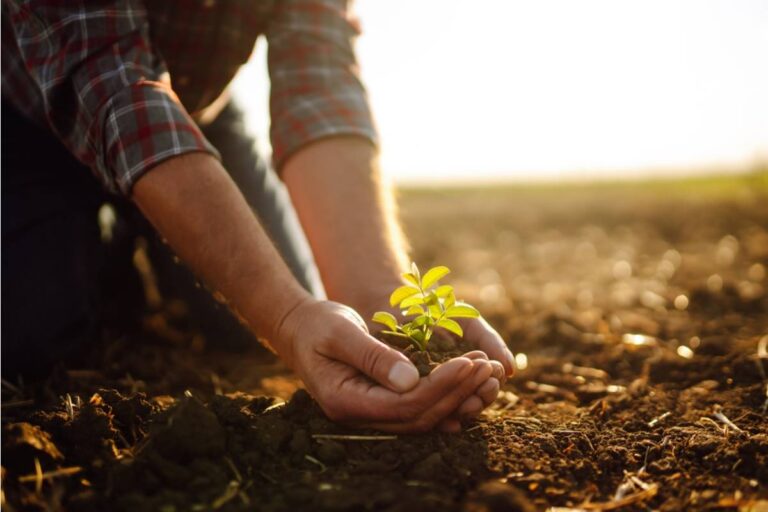
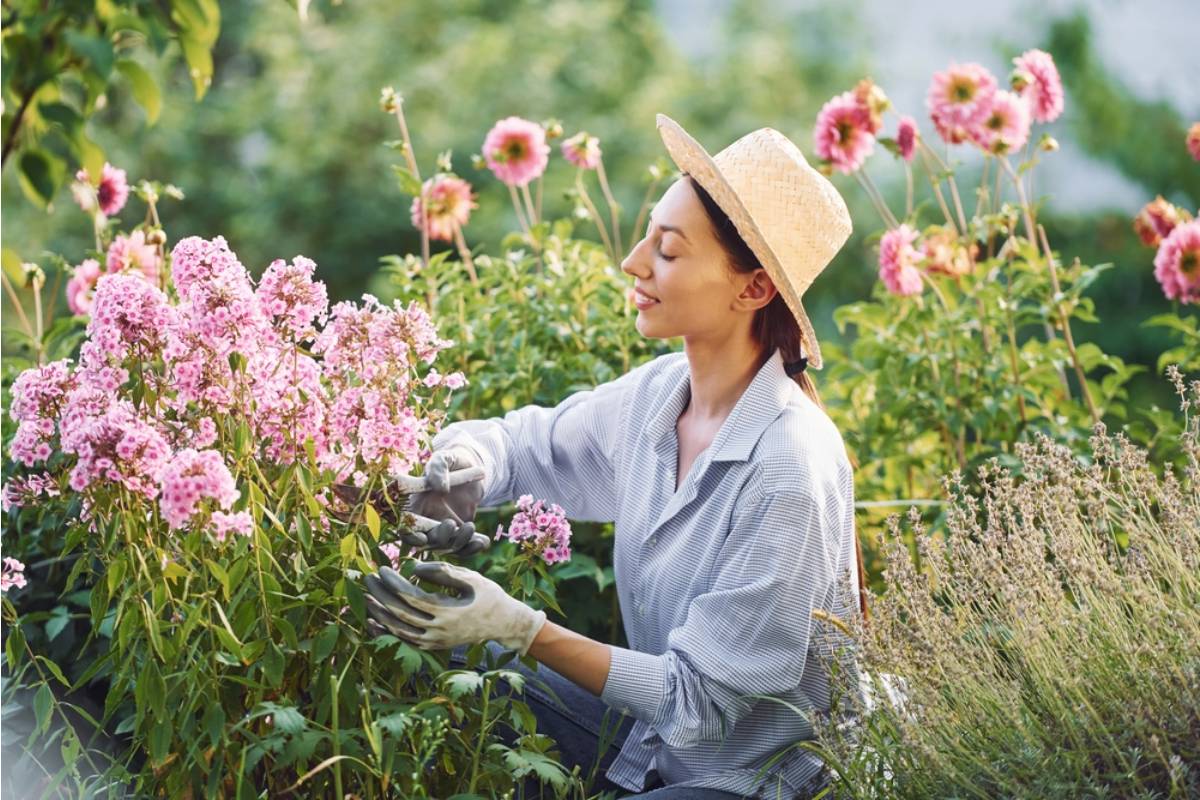
After my diagnosis, everything in my life seemed to revolve around doctor appointments, medications, and waiting rooms. I needed something that reminded me I could still create beauty even while living with uncertainty. My therapist suggested finding a long term project that encouraged me to spend time outdoors, so I turned a neglected corner of my backyard into a butterfly garden.
I planted milkweed, coneflowers, bee balm, black eyed Susans, blazing star, and other native flowers that supported pollinators throughout the growing season. Watching the first butterflies arrive felt like proof that healing could happen in small, quiet moments.
The Garden Slowly Finds Its Rhythm
The first season was mostly preparation. Tiny plants struggled to establish themselves, and the garden looked far less impressive than I had imagined. I spent hours pulling weeds, improving the soil, and learning which native plants thrived together.
By the second season, butterflies began visiting every afternoon. Neighbors walking their dogs often stopped to admire the colorful flowers and ask questions about the different species they spotted.
One Neighbor Never Shared the Excitement
My next door neighbor, Denise, had a perfectly trimmed lawn with almost no flowers. She preferred everything neat, simple, and predictable. One afternoon she watched several butterflies floating over the fence before asking why I was intentionally bringing insects into the neighborhood.
I smiled and explained that butterflies, bees, and other pollinators were essential for healthy gardens. She shook her head and replied, “A bug is still a bug.”
Complaints Become More Frequent
At first Denise only made passing comments whenever she saw me outside. Before long, every conversation centered on the same topic. She insisted more insects had appeared around her patio because of my flowers.
I pointed out that butterflies rarely caused problems for anyone. She insisted that where butterflies gathered, other pests would eventually follow.
An Official Letter Changes Everything
A few weeks later I opened my mailbox and found a notice from the city. Someone had filed a complaint claiming my backyard had become an insect nuisance that threatened neighboring properties. The letter stated that an inspector would visit to determine whether local maintenance rules had been violated.
Reading those words left me stunned. I had worked so hard to build something peaceful, yet someone wanted the city to treat it like a problem.
Preparing for the Inspection
Rather than panic, I gathered information. I printed plant lists, care guides, and educational materials explaining the value of pollinator gardens. I also organized photographs showing how carefully maintained the flower beds remained throughout the seasons.
My therapist encouraged me to focus on facts instead of fear. That advice helped more than she probably realized.
The Inspector Walks Through the Garden
The city inspector arrived carrying a clipboard and introduced himself with a friendly smile. Instead of immediately looking for violations, he asked me to explain the purpose of the garden. I told him the entire story, including how gardening had become part of my recovery after a difficult period in my life.
He carefully examined the flower beds, checked for standing water, and looked for signs of neglect. Everything appeared healthy, clean, and intentionally designed.
An Unexpected Conversation
Before leaving, the inspector surprised me with a question. He asked whether I had intentionally included several native species recommended by the county’s environmental program. I admitted I had followed guidance from local gardening organizations when choosing plants.
He nodded approvingly and explained that properly maintained pollinator gardens were encouraged in many communities because they supported declining butterfly populations.
Denise Doubles Down
When Denise saw the inspection ending without immediate action, she appeared frustrated. A few days later she began telling other neighbors that the city simply had not looked carefully enough. She claimed children could no longer play outside because of all the insects.
Several neighbors quietly disagreed. Many admitted they had barely noticed any difference except that more butterflies floated through the neighborhood than before.
The School Science Teacher Stops By
One afternoon a local elementary school science teacher knocked on my door. She had heard about the butterfly garden through another neighbor and wondered whether her students could visit during a class project about pollinators.
The request caught me completely off guard. What one person considered a neighborhood problem had become a learning opportunity for dozens of children.
A Community Visit Changes Perspectives
The class arrived several weeks later with notebooks and magnifying glasses. Students quietly observed butterflies, bees, caterpillars, and flowering plants while asking thoughtful questions about nature. Parents who volunteered during the visit complimented the garden and thanked me for sharing it.
Several nearby neighbors watched from their driveways. Even people who had never spoken to me before smiled as the children excitedly pointed out monarch butterflies landing on milkweed.
Another Complaint Produces a Different Result
Denise submitted another complaint shortly afterward, insisting the earlier inspection had overlooked important issues. This time the city sent an environmental specialist instead of a general code inspector.
After walking through the garden, the specialist explained that everything met local standards. In fact, she suggested applying for recognition through the city’s native landscaping initiative because the garden provided valuable habitat for pollinators.
Recognition Reaches the Neighborhood
A few months later my butterfly garden was featured in a local community newsletter highlighting environmentally friendly landscaping. The article explained how native plants supported wildlife while reducing the need for excessive watering and chemical treatments.
Neighbors who had once ignored the garden suddenly began asking where they could buy milkweed and coneflowers. Some even removed sections of lawn to plant native flowers of their own.
One Honest Conversation at the Fence
Late one evening Denise approached while I was watering the garden. Her voice sounded quieter than it had in months. She admitted she had associated every insect with mosquitoes and household pests because of unpleasant childhood memories.
I listened without interrupting. Once she finished, I gently explained the difference between destructive insects and beneficial pollinators. For the first time, she seemed willing to hear the distinction instead of arguing against it.
A Place That Means More Than Flowers
Today the garden is much larger than the small patch of soil where it began. Monarchs drift through the flowers every season, hummingbirds occasionally stop by, and neighbors often pause during evening walks just to admire the blooms. The space that once symbolized fear now represents hope, patience, and recovery.
Looking back, the conflict was never really about butterflies. It was about misunderstanding something before taking the time to learn about it. Three growing seasons taught me that healing rarely happens overnight, whether in a garden or in a person’s life. The flowers continue blooming, the butterflies continue returning, and every new season reminds me that even difficult chapters can eventually lead to something unexpectedly beautiful.