Gardeners Are Divided Over Buddha Statues, Some Say Peaceful, Others Say Disrespectful
It’s something you’ve probably seen more than once—tucked between flowers, beside a water feature, or sitting quietly under a tree.
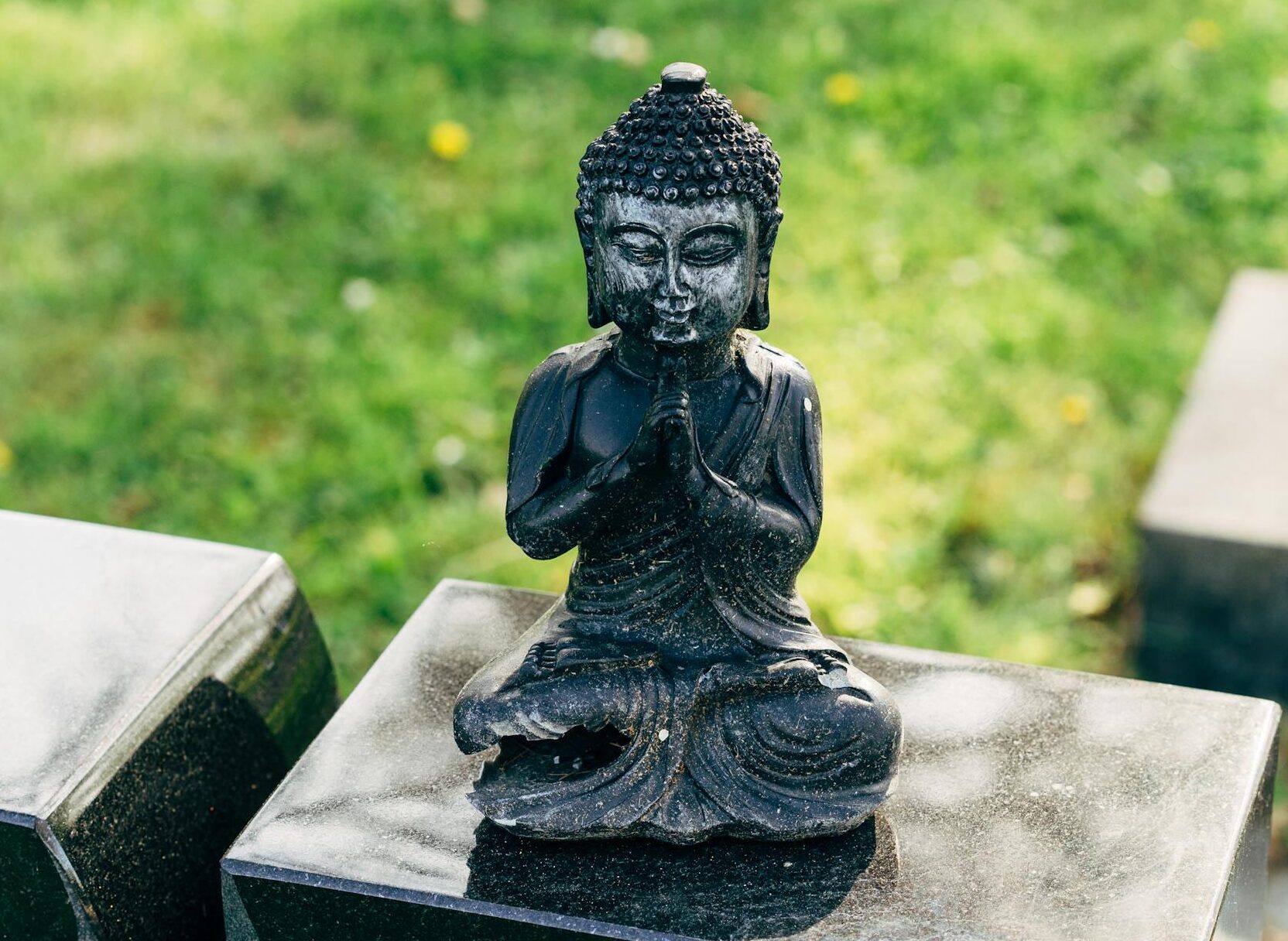
A Buddha statue.
For some gardeners, it’s an instant way to create a calm, peaceful atmosphere. But for others, it raises a real question:
Why do people from all religions feel comfortable placing a Buddha statue in their garden?
The debate is surprisingly split—and once you look at both sides, it becomes clear why.
For Many, It’s About Peace—Not Religion
One of the most common reasons people give is simple: how it makes them feel.
Across cultures, the image of the Buddha has become strongly associated with calm, mindfulness, and balance. Even people who don’t practice Buddhism often recognize that expression—the closed eyes, relaxed posture, and sense of stillness.
For a lot of homeowners, adding a Buddha statue isn’t about making a religious statement. It’s about creating a space that feels:
- Quiet
- Grounded
- Relaxing
Some gardeners say it’s no different than adding a water fountain or wind chimes—it sets a mood.
And in a world where people are constantly overwhelmed, that peaceful visual can feel meaningful, regardless of religious background.
Others Say It’s More Complicated Than That
But not everyone sees it as harmless decor.
Some people—especially those who practice Buddhism—feel that using a Buddha statue purely for aesthetics can cross into disrespect or misunderstanding, even if that’s not the intention.
One concern that comes up often is context.
In many traditions, Buddha images are treated with care and respect. Placement, positioning, and even how the statue is displayed can carry meaning. So when statues are used casually—especially in ways that seem decorative or trendy—it can feel like something meaningful is being reduced to a design choice.
There’s also growing discomfort around things like:
- Buddha head planters
- Statues placed on the ground or near feet
- Mass-produced decor with no cultural understanding
For some, it’s not about gatekeeping—it’s about respect.
Why Buddha Statues Became So Popular in Gardens
Part of the reason this shows up so often in gardens comes down to design.
Buddha statues fit perfectly into several popular landscaping styles:
- Zen gardens
- Minimalist outdoor spaces
- Natural, “slow living” inspired backyards
The aesthetic works. It signals calm instantly.
Unlike more elaborate religious figures, Buddha statues are often simple, symmetrical, and easy to incorporate into different garden styles—which is why they’ve become so widely used, even outside of their original cultural context.
Where Many People Seem to Land
Interestingly, a lot of the discussion lands somewhere in the middle.
Many people believe it comes down to intention and awareness.
If someone places a Buddha statue in their garden because it reminds them to slow down, be kind, or create a peaceful space, most see that as positive.
But there’s also a growing understanding that:
- Learning a bit about its meaning matters
- Avoiding clearly disrespectful uses matters
- Being thoughtful about placement matters
In other words—it’s less about whether you “can,” and more about how you do it.
The Bigger Shift Happening in Gardening Right Now
This conversation is actually part of a larger trend.
Gardens are no longer just about plants—they’re becoming extensions of personal values, identity, and lifestyle. From pollinator-friendly spaces to meditation corners, people are designing outdoor areas that reflect how they want to feel.
And sometimes, that includes symbols that didn’t originally belong to their own culture.
That’s where the tension comes in.
Because what feels peaceful to one person can feel misunderstood to another.
So… Is It Okay?
There isn’t one clear answer—and that’s why the conversation keeps coming up.
For some, a Buddha statue is simply a symbol of peace that transcends religion.
For others, it’s something that deserves more cultural and spiritual consideration.
But one thing is clear:
The reason it shows up in so many gardens isn’t random.
People are searching for calm—and they’re using whatever symbols help them create it.