Gardeners Say Planting Marigolds Next to Vegetables Can Help Protect Your Garden Naturally
Many gardeners are always searching for natural ways to protect their plants from pests without relying on harsh chemicals.
One of the oldest gardening techniques involves planting certain flowers alongside vegetables to create a healthier garden environment.
Among the most popular companion plants used for this purpose are marigolds.
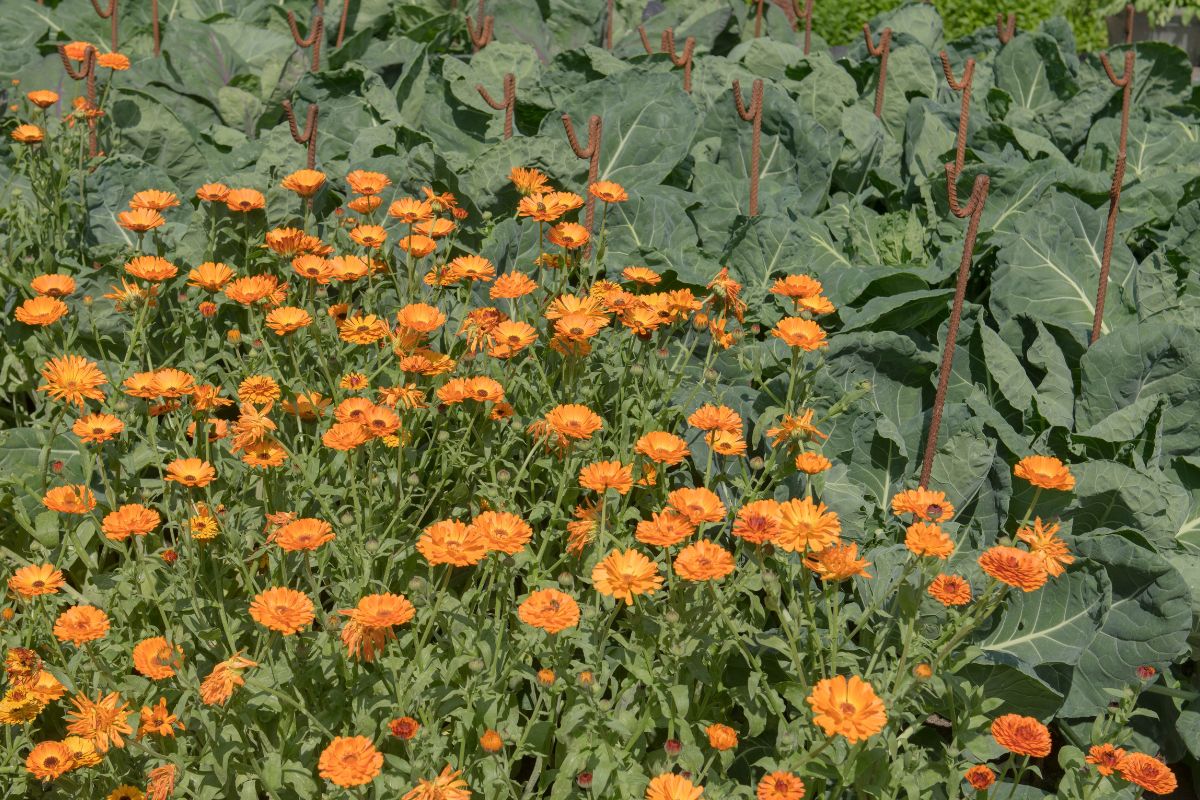
These bright orange and yellow flowers are not only attractive but also surprisingly useful in vegetable gardens.
Marigolds have long been associated with natural pest control.
Some gardeners believe the plant’s strong scent can help deter insects that commonly attack vegetable crops.
Research has shown that certain types of marigolds can also help reduce populations of nematodes, microscopic worms that live in soil and damage plant roots.
Nematodes can be particularly harmful to crops such as tomatoes, peppers, and beans.
Planting marigolds near these vegetables may help limit the number of these pests in the surrounding soil.
In addition to pest control, marigolds can attract beneficial insects.
Pollinators such as bees and butterflies are drawn to the flowers, which can improve pollination in nearby vegetable plants.
Some beneficial insects, including ladybugs and hoverflies, also visit marigolds and help control aphids and other harmful pests.
Gardeners often plant marigolds around the edges of vegetable beds or between rows of crops.
The flowers grow quickly and require relatively little maintenance, making them an easy addition to most gardens.
While marigolds alone cannot eliminate every garden pest, many experienced gardeners say they are a valuable part of a balanced, natural gardening approach.
By combining companion planting with healthy soil and proper watering, gardeners can often create an environment where plants are better able to thrive.
For those looking to reduce chemical pesticides in their gardens, marigolds offer a colorful and practical solution.
More from Lovely Garden Roots: