Gardeners Say Starting Seeds Too Late Can Ruin Your Entire Season, “You Think You Have Time Until You Don’t”
For a lot of gardeners, the biggest fear in early spring is getting ahead of the season too quickly.
They watch the weather closely. They check the forecast. They wait for signs that it is finally safe to begin. After all, one cold night can undo weeks of effort, and no one wants to start over after putting in that kind of time.
So they wait.
At first, it feels like the responsible decision. The cautious one. The kind of choice that protects all the work they are about to put in.
But according to many experienced gardeners, waiting too long can quietly create a problem that is much harder to fix.
Because while starting too early can damage plants immediately, starting too late often damages the entire season without being obvious right away.
The Problem Most People Don’t Notice Until It’s Too Late
When you delay starting seeds, you are not just shifting your timeline forward.
You are shrinking it.
Every plant has a natural growth cycle. It needs time to establish roots, build strength, and reach maturity. When you start later than you should, you are forcing that entire cycle into a smaller window.
At first, everything seems fine.
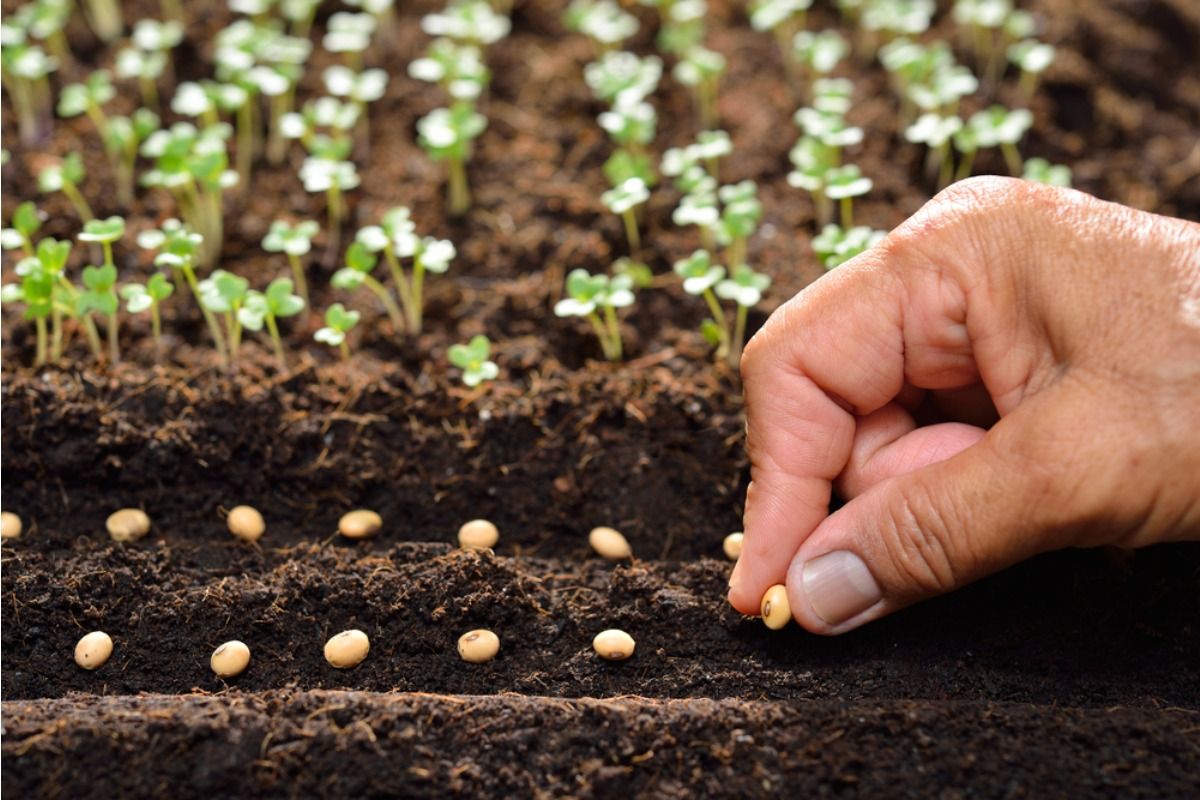
Seeds sprout. Leaves form. Growth begins.
But as the weeks go on, something starts to feel off. Plants look smaller than expected. They take longer to develop. They never quite catch up to where they should be.
And by the time you realize it, there is no way to get that time back.
Why This Happens So Often in Spring
Spring has a way of making everything feel like it is just beginning.
The weather warms up, the ground softens, and it feels like there is plenty of time to get started. There is no visible pressure yet. No urgency.
But the reality is different.
The growing season is already moving, whether you have planted or not. Every day that passes without starting seeds is a day you cannot recover later.
This is especially important for plants that require longer growing periods.
The Crops That Are Most Affected
Certain plants depend heavily on timing.
Tomatoes, peppers, and many herbs need extended periods to reach full production. They are not the kind of plants that can be rushed.
When started late, they may still grow, but they often do not reach the size or yield that gardeners expect.
This is where frustration starts to build.
Everything looks like it should work, but the results never match what you had in mind.
Why Waiting Feels Safer
The reason this mistake is so common is because it feels like the safer option.
Starting early carries a visible risk. Frost, cold soil, and unpredictable weather can cause immediate damage. That risk is easy to understand.
Waiting, on the other hand, feels controlled.
There is no immediate downside. No visible failure. Just a sense of caution.
But the risk of waiting is delayed.
Instead of seeing a problem right away, you see it unfold slowly over the season.
What Experienced Gardeners Say After Going Through It
Gardeners who have experienced this once rarely make the same mistake again.
They talk about the feeling of realizing too late that something is off. The plants are growing, but not thriving. The harvest is smaller than expected. The season feels shorter than it should.
“You think you have time until you don’t,” is how one gardener described it.
That moment tends to change how people approach timing.
The Balance Between Too Early and Too Late
The goal is not to rush.
And it is not to wait.
It is to understand the window you are working within.
Every region has different conditions, different frost dates, and different timelines. Learning those patterns makes a significant difference.
Because once you understand how much time your plants actually need, it becomes easier to see how quickly that time can disappear.
The Bigger Impact on Your Garden
Starting late does not just affect individual plants.
It affects everything.
The timing of your harvest changes. The way your garden fills in changes. Even how you manage watering, spacing, and maintenance shifts.
It creates a ripple effect that carries through the entire season.
The Takeaway That Sticks
Starting seeds too late does not feel like a mistake in the moment.
It feels like patience.
But as the season moves forward, that patience can turn into limitation.
And by the time it becomes clear, there is often nothing you can do to fix it.