Gardeners Say This One Early Season Mistake Can Ruin Your Soil Before Summer Even Starts, “It Looks Fine Until It’s Too Late”
At the start of the gardening season, most people focus on what they are planting.
Seeds, spacing, sunlight, watering.
But one of the most important parts of a successful garden is something many people overlook entirely.
The soil.
And more specifically, how you treat it at the very beginning of the season.
Because one early mistake can quietly affect everything that happens after.
The Mistake That Causes Problems Early
Working soil too soon.
It is one of the most common early-season habits, and it feels completely logical.
The ground is no longer frozen. It looks workable. It feels like the right time to start preparing beds and getting everything ready.
So people dig.
They turn the soil. They break it up. They prepare it for planting.
But if the soil is still too wet, this process can cause more harm than good.
What Happens When Soil Is Too Wet
Wet soil is fragile.
When you dig into it or walk on it, it compacts easily. Instead of staying loose and airy, it becomes dense and compressed.
This changes how water moves through it.
It changes how roots grow through it.
And it changes how the entire system functions.
Why It’s Hard to Notice Right Away
The frustrating part is that this mistake is not obvious at first.
After working the soil, everything looks fine.
Plants go in. Watering happens. The surface looks normal.
But underneath, the structure has already been affected.
Over time, that impact becomes more visible.
The Long-Term Effects on Your Garden
Compacted soil makes it harder for roots to expand.
It limits airflow.
It can cause water to sit in certain areas while leaving others too dry.
Plants growing in these conditions often struggle to reach their full potential.
They may survive.
But they do not thrive.
Why Gardeners Make This Mistake Every Year
The timing is what makes this so common.
Early spring creates urgency.
After months of waiting, people are ready to start.
The soil looks ready. The weather feels right. Everything seems to line up.
But moisture levels below the surface tell a different story.
What More Experienced Gardeners Do Differently
Instead of going by appearance alone, experienced gardeners check the soil more carefully.
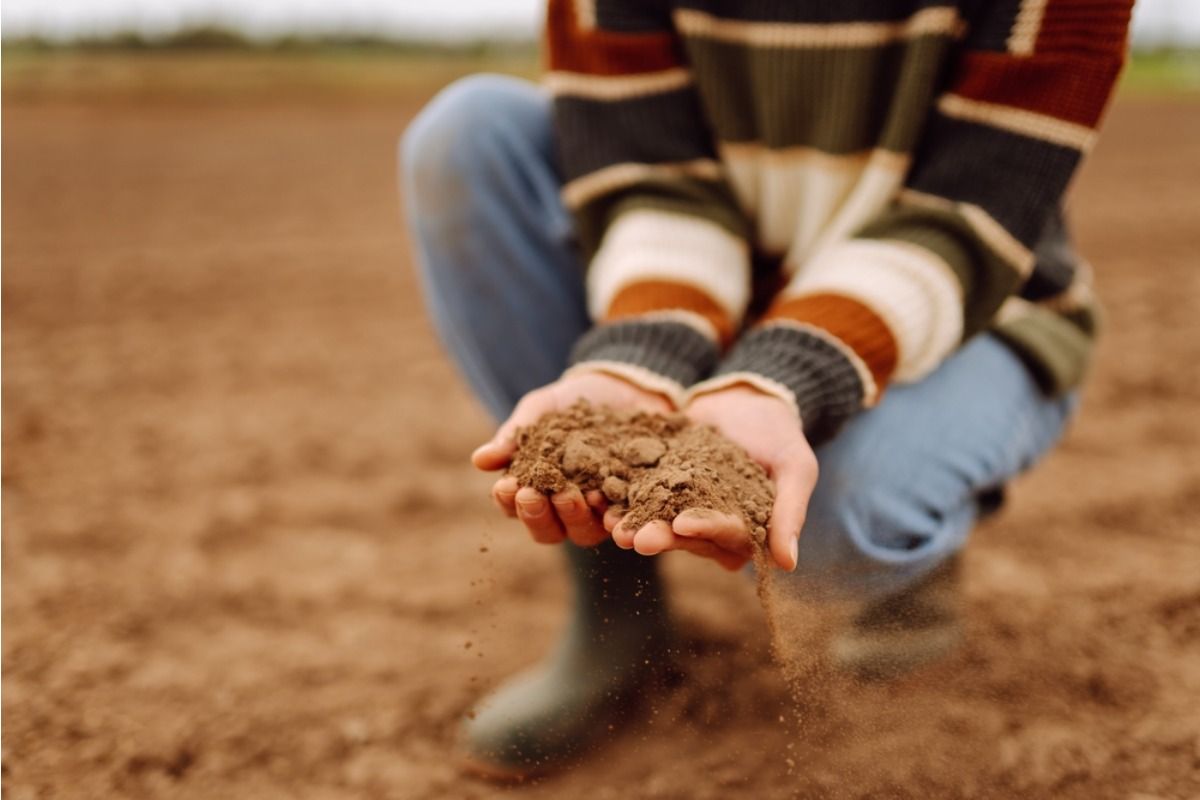
They look at how it feels when handled.
If it sticks together or feels heavy, it is often a sign that it is still too wet.
Waiting a little longer allows the soil to dry out just enough to maintain its structure when worked.
The Bigger Impact on the Season
Soil is the foundation of everything in your garden.
If that foundation is compromised early, it affects every plant you grow.
It changes how water is absorbed.
It changes how nutrients move.
And it changes how strong your plants can become.
The Takeaway That Stays With People
“It looks fine until it’s too late.”
That is how many gardeners describe this mistake after experiencing it.
Because by the time the effects show up, the damage has already been done.
And unlike other mistakes, this one is not easy to fix mid-season.
Is It Too Early to Put Plants Outside, Here’s What Happens If You Guess Wrong, “They Don’t Always Recover the Way You Expect”
Moving plants outside is one of the most exciting parts of the season.
After weeks of indoor care, watching seedlings grow under controlled conditions, the idea of finally placing them outside feels like a major step forward.
It feels like progress.
Like everything is coming together.
But this is also one of the most sensitive transitions in gardening.
And timing it incorrectly can lead to problems that are not always obvious right away.
Why This Step Feels So Important
Plants grown indoors are protected.
They have stable temperatures, consistent light, and controlled watering.
Moving them outside introduces a completely different environment.
Wind, temperature changes, direct sunlight.
It is a big shift.
And it needs to be handled carefully.
What Happens When You Move Them Too Early
When plants are moved outside before conditions are stable, they can go into shock.
At first, the changes might seem small.
Leaves droop slightly. Growth slows. Color may change.
But over time, these signs can become more serious.
Plants struggle to adapt. Development stalls. In some cases, they never fully recover.
Why This Is Not Always Immediate
One of the reasons this mistake is so frustrating is because it does not always happen right away.
You might move your plants outside, and everything looks fine for a few days.
Then the effects start to show.
That delay makes it harder to connect the cause and effect.
The Role of Temperature Fluctuations
Daytime warmth can be misleading.
Even if it feels warm and stable during the day, nighttime temperatures can drop significantly.
For plants that have been growing indoors, those drops can be enough to cause stress.
Why Gardeners Take the Chance
The desire to move plants outside is strong.
Indoor space runs out.
Plants outgrow their containers.
And the weather looks good enough.
So people take the chance.
Sometimes it works.
That is what makes the decision difficult.
What More Careful Gardeners Do
Instead of moving plants outside all at once, some gardeners transition them gradually.
They expose them to outdoor conditions for short periods, increasing the time over several days.
This helps plants adjust.
It reduces the shock.
And it improves their ability to handle the change.
The Bigger Takeaway
This step feels like progress.
But it is also a test.
Because once plants are outside, they are exposed to everything the environment brings.
And if the timing is off, the effects can last longer than expected.
“They don’t always recover the way you expect.”
That is what makes this decision one of the most important in the entire season.