Gardeners Say This Simple Trick Can Wake Up Plants That Look Dead After Winter
Every spring, gardeners walk outside to inspect their yards and gardens after months of cold weather. What they often see can be discouraging.
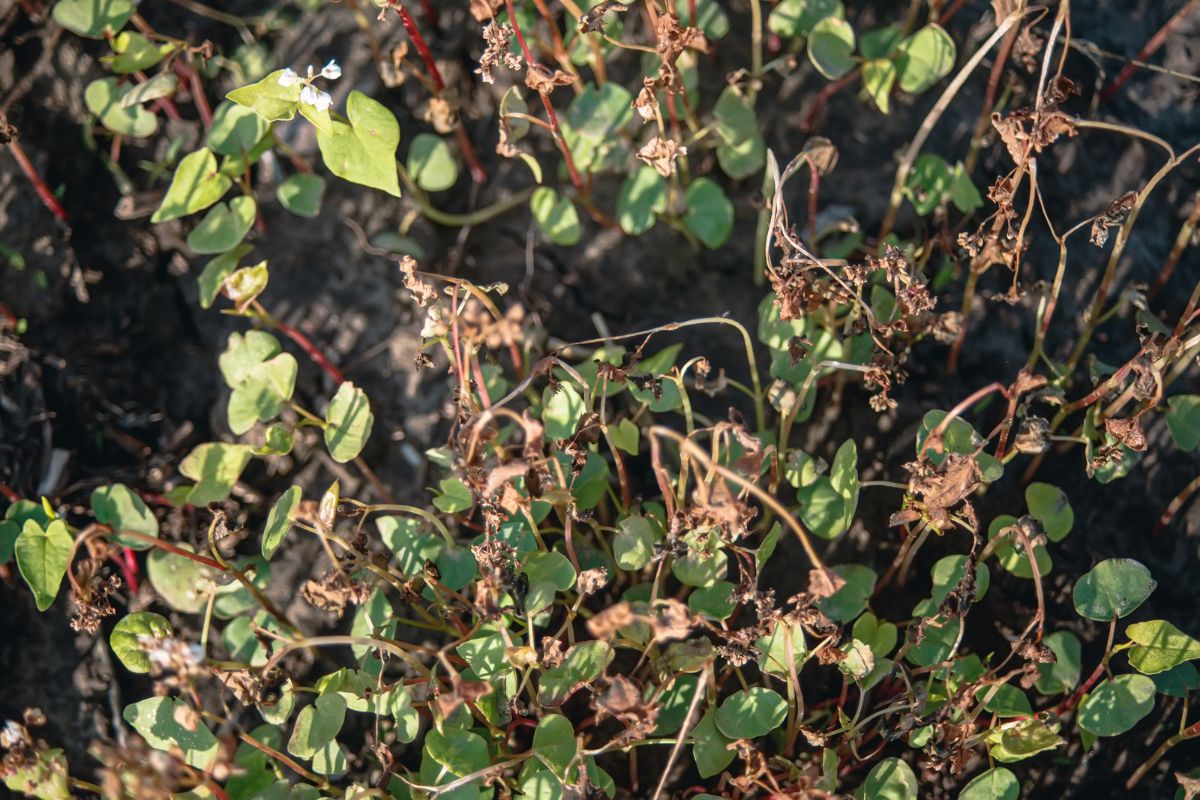
Plants that once looked healthy and full of life may now appear brown, brittle, or completely lifeless. Stems snap easily, leaves have fallen away, and entire plants may look like they didn’t survive the winter.
But experienced gardeners say appearances can be misleading.
Many plants that look dead in early spring are actually still alive beneath the surface. They’re simply dormant and waiting for the right conditions to start growing again.
One simple step gardeners recommend before assuming a plant is lost is performing what many call the “scratch test.”
This method is easy and can quickly reveal whether a plant still has life inside it.
Gardeners gently scrape a small section of bark on a branch using a fingernail or garden tool. If the layer beneath the bark appears green and moist, the plant is still alive.
If the tissue underneath looks brown and dry, that portion of the plant may be dead.
The scratch test helps gardeners determine which parts of a plant can recover and which should be pruned away.
Once living sections are identified, gardeners often trim dead branches to encourage new growth.
Pruning removes damaged material and allows the plant to focus its energy on healthy tissue.
Another important step is patience.
Many perennial plants and shrubs take time to wake up after winter. Soil temperature, sunlight, and moisture levels all influence when plants begin growing again.
Gardeners also recommend watering plants lightly once temperatures begin to warm. Dry soil can slow down the recovery process, especially if winter conditions were harsh.
Adding compost or fresh mulch around plants can also help.
Mulch protects soil moisture, regulates temperature, and provides nutrients that support early spring growth.
Some plants that appear completely dormant can surprise gardeners by producing new shoots weeks later.
This is especially common with hardy perennials, roses, and certain shrubs.
Because of this, many gardening experts recommend waiting until late spring before removing plants that appear dead.
With a little patience and careful observation, gardeners often discover that plants they believed were gone are actually preparing for a new growing season.
More from Lovely Garden Roots: