Get Ready to Garden: Spring 2026 Weather Predictions for North America
As winter gives way to spring, gardeners across North America are eager to dig in, plant, and nurture their gardens. However, understanding the weather patterns predicted for the upcoming spring season can significantly impact your gardening plans. Based on insights from The Old Farmer’s Almanac, let’s explore the anticipated spring weather for various U.S. regions in 2026 and how it can guide your gardening choices.
Understanding the Predictions
The Old Farmer’s Almanac has been a trusted source for weather forecasts since 1792, utilizing a combination of historical weather data, solar cycles, and other natural phenomena to predict seasonal weather patterns. For spring 2026, the predictions vary significantly across different regions of the United States, highlighting the importance of regional weather awareness for gardeners.
Northeast: A Mild and Wet Spring
Gardeners in the Northeast can expect a mild spring with above-average rainfall. This weather pattern provides an excellent opportunity to establish new plants and promote healthy growth for existing ones.
Tips for Northeast Gardeners:
Focus on planting cool-season crops like lettuce, peas, and radishes early in the season as the soil warms up.
Ensure proper drainage in your garden beds to prevent waterlogging, especially in heavy clay soils.
Keep an eye out for pests that may thrive in wetter conditions, and consider using organic pest control methods.
Southeast: Warm and Unpredictable
The Southeast is predicted to experience warm temperatures with occasional cold snaps. This unpredictability can present challenges, particularly for early bloomers and tender plants.
Tips for Southeast Gardeners:
Utilize row covers to protect young plants from unexpected frost.
Start your seeds indoors to get a jump on the season, but be prepared to harden them off gradually to acclimate them to outdoor conditions.
Opt for heat-tolerant varieties of vegetables and flowers to ensure success as temperatures rise.
Midwest: A Cool Start with a Warm Finish
In the Midwest, the spring of 2026 is forecasted to begin cool and gradually warm up. This pattern can impact planting schedules, as the soil may take longer to reach the ideal temperature for planting.
Tips for Midwest Gardeners:
Wait until soil temperatures are consistently above 50°F before planting warm-season crops like tomatoes and peppers.
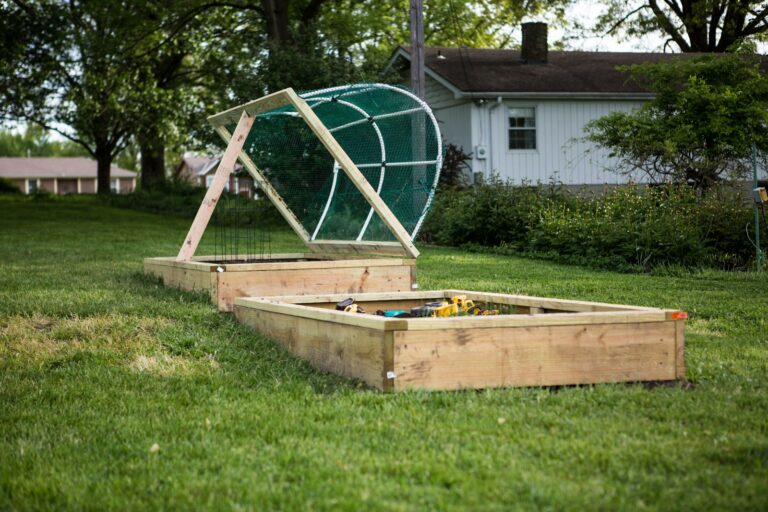
Consider using raised beds or black plastic mulch to warm the soil more quickly.
Utilize the cool early spring to sow seeds for cold-hardy crops and perennials.
Southwest: Dry and Warm
The Southwest is expected to have a drier-than-average spring with warmer temperatures, which can affect moisture levels in the soil.
Tips for Southwest Gardeners:
Implement efficient watering practices, such as drip irrigation, to conserve water while keeping your plants hydrated.
Focus on drought-resistant plants, which can thrive in the arid conditions expected this spring.
Mulch around your plants to retain soil moisture and regulate temperature.
Pacific Northwest: A Wet and Cool Spring
In contrast to the dry Southwest, the Pacific Northwest is forecasted to experience a wetter and cooler spring. This can encourage lush growth but also necessitates careful management of moisture levels.
Tips for Pacific Northwest Gardeners:
Choose native plants that are well-suited to the region’s wet conditions.
Be vigilant about fungal diseases, which can thrive in damp environments; ensure good air circulation around your plants.
Consider planting in raised beds to improve drainage.
Mountain States: Variable Weather Patterns
In the mountain states, spring weather can vary significantly due to elevation changes. Some areas might see snow well into the spring months, while lower elevations warm up more quickly.
Tips for Mountain State Gardeners:
Observe local conditions and be prepared for late frosts, especially in higher elevations.
Start seeds indoors and transplant them once the risk of frost has passed.
Use season extenders like cold frames or greenhouses to protect tender plants.
General Spring Gardening Tips
Regardless of your region, here are some general gardening tips to make the most of your spring planting season:
Prepare Your Soil: Test your soil’s pH and nutrient levels to ensure it’s ready for planting. Amend with compost or fertilizers as needed.
Plan Your Garden Layout: Consider companion planting to maximize space and improve plant health. Research which plants grow well together and can deter pests.
Keep a Garden Journal: Document your planting dates, weather conditions, and observations throughout the season. This information will be invaluable for planning future gardens.
Stay Informed
As spring approaches, keep an eye on local weather forecasts and adjust your gardening plans accordingly. The predictions from The Old Farmer’s Almanac serve as a helpful guide, but local conditions can always vary. Engaging with community gardening groups or local extension services can provide additional insights tailored to your specific area.
While the weather can be unpredictable, with the right preparation and knowledge, you can cultivate a thriving garden this spring. Happy gardening!