Get Your Amaryllis Ready: 4 Essential Care Tips Before January Ends

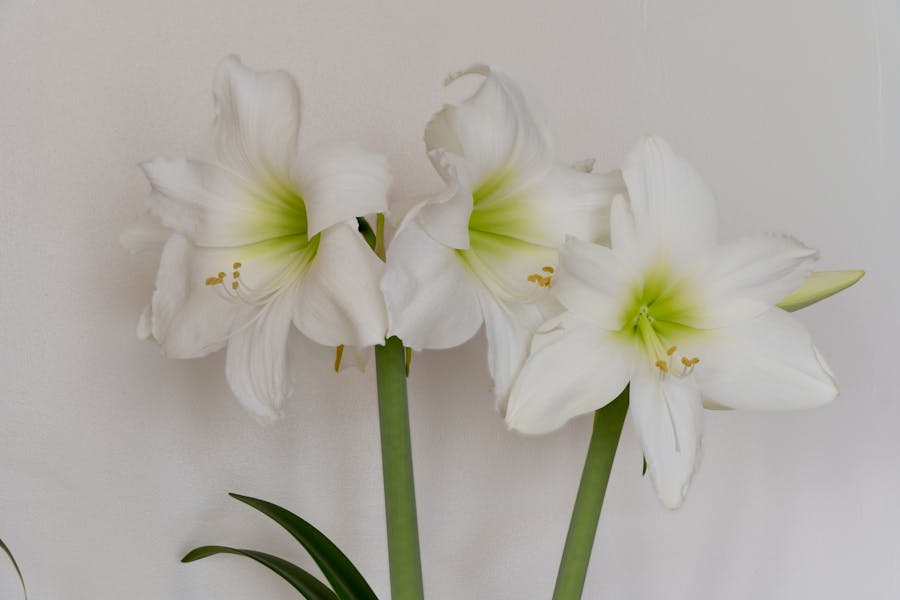
As winter drags on and the days remain short, your amaryllis can bring a burst of color and life to your home. If you’ve already planted your amaryllis bulb and are eagerly awaiting its stunning blooms, there are a few important things to keep in mind before January wraps up. Here are four essential care tips to ensure your amaryllis thrives and rewards you with gorgeous flowers.
1. Monitor Watering Practices
One of the most critical aspects of amaryllis care is proper watering. These bulbs prefer a balance of moisture—too little water can lead to stunted growth, while overwatering can cause rot. As a general rule, water your amaryllis when the top inch of soil feels dry to the touch. Use room-temperature water to avoid shocking the bulb.
When you do water, ensure that the pot has drainage holes to allow excess water to escape. Consider using a potting mix that promotes good drainage, such as one designed for bulbs or houseplants. If you notice yellowing leaves, it could be a sign of overwatering, so adjust your watering schedule accordingly.
2. Provide Adequate Light
Light is crucial for the growth and blooming of amaryllis. Ideally, your bulb should receive bright, indirect sunlight for at least six hours each day. A south-facing window is often the best spot, but if your home lacks natural light, consider using a grow light to supplement.
If you notice the leaves stretching excessively towards the light, it may indicate that the plant needs more exposure. Conversely, if the leaves are scorched or bleached, it’s a sign of too much direct sunlight. Rotate the pot every few days to ensure even light distribution, promoting balanced growth.
3. Fertilize for Best Blooms
To encourage vibrant blooms, feeding your amaryllis is a must. Start fertilizing about four to six weeks after planting, or once you see growth emerging from the bulb. Use a balanced, water-soluble fertilizer with an N-P-K ratio of 20-20-20 or a specialized bulb fertilizer.
Dilute the fertilizer to half strength and apply it every two weeks during the growing season. This feeding schedule is particularly important as the plant prepares to bloom. Avoid fertilizing during its dormant period, which usually occurs after flowering, as the bulb needs a rest to store energy for the next growing season.
4. Keep an Eye on Temperature and Humidity
Amaryllis thrive in a warm environment, ideally between 60°F to 75°F (15°C to 24°C). Protect your bulb from cold drafts and sudden temperature changes, which can stress the plant. If you notice the blooms wilting or dropping, temperature fluctuations might be the culprit.
Humidity also plays a role in the health of your amaryllis. Ideally, maintain a humidity level of about 50%. If your home is particularly dry, especially during winter months, consider using a humidity tray or a humidifier in the same room as your plant. Alternatively, you can group your amaryllis with other houseplants to create a more humid microenvironment.
Common Mistakes to Avoid
While amaryllis care might seem straightforward, there are some common pitfalls to steer clear of:
Planting Too Deep: When planting your bulb, make sure only the lower half is buried in the soil. The top half should remain exposed to encourage healthy growth.
Ignoring Dormancy: After flowering, allow your amaryllis to enter dormancy by reducing watering and ceasing fertilization. This period is critical for the bulb to gather energy for its next bloom cycle.
Rushing to Repot: Amaryllis typically prefer to be slightly root-bound, so unless the bulb is outgrowing its pot significantly, it’s best to avoid repotting too frequently. Repotting can stress the plant and delay blooming.
By following these four essential care tips, you can ensure that your amaryllis not only survives but thrives as winter wanes. With the right attention, your bulb can provide a striking display of blooms right through the cold months, lifting your spirits until spring arrives. Happy gardening!