Grow Your Own: The Ultimate Guide to Starting a Backyard Vegetable Garden
Creating a backyard vegetable garden is one of the most rewarding activities you can undertake as a home gardener. Not only does it provide fresh produce for your table, but it also contributes to a healthier planet. Whether you’re a seasoned gardener or just starting, this guide will help you navigate the essential steps to establish your own vegetable garden.
Understanding the Benefits
Growing your own vegetables has numerous benefits. First, homegrown produce is fresher, often more nutritious, and tastes better than store-bought. You also have control over what goes into your food, which is especially important for those concerned about pesticides and chemicals. Additionally, backyard gardening promotes biodiversity, supports local ecosystems, and reduces your carbon footprint by minimizing transportation-related emissions. Lastly, it’s a fantastic way to engage with nature, relieve stress, and enjoy physical activity.
Choosing the Right Location
The first step in starting your vegetable garden is selecting the right location. Look for a spot in your yard that receives at least six to eight hours of sunlight daily. Observe how the sun moves across your yard throughout the day to determine the best location. Also, ensure the area is easily accessible for watering, weeding, and harvesting.
Soil Quality Matters
Healthy soil is the foundation of a thriving vegetable garden. Conduct a soil test to determine its pH level and nutrient content. Most vegetables prefer a pH between 6.0 and 7.0. You can amend the soil with organic matter, such as compost or well-rotted manure, to improve its structure and fertility. If your soil is heavy clay or sandy, consider building raised beds or using containers filled with high-quality potting mix.
What to Grow: Choosing Your Vegetables
When selecting vegetables, consider your climate, the space you have available, and your culinary preferences. Here are some beginner-friendly options:
1. Tomatoes: These are popular for home gardens and can thrive in various conditions. Choose determinate varieties for smaller spaces and indeterminate ones if you have plenty of room and support for vertical growth.
2. Lettuce and Greens: Leafy greens like lettuce, spinach, and kale grow quickly and can be harvested multiple times. They prefer cooler weather, making them ideal for spring and fall planting.
3. Carrots: These root vegetables are easy to grow and can be sown directly into the soil. Choose a loose, well-drained area for the best results.
4. Zucchini: This prolific summer squash can take over your garden space, so give it plenty of room to spread out.
5. Herbs: Consider incorporating herbs like basil, cilantro, or parsley. They are easy to grow, enhance the flavor of your meals, and can be grown in small spaces or containers.
When planning your garden, consider companion planting. Certain plants can benefit from being grown together, such as tomatoes and basil, which can enhance flavor and deter pests.
Timing Your Planting
Timing is crucial for a successful vegetable garden. Understanding your local climate and growing season will help you know when to plant. Most North American regions have a frost-free growing season that ranges from late spring to early fall. Check your USDA hardiness zone and consult local planting guides to determine the best planting dates for your chosen vegetables.
Starting Seeds vs. Buying Seedlings
You can either start your vegetables from seeds or purchase seedlings from a garden center. Starting from seeds allows for more variety and can be more cost-effective, but it requires more time and care. If you opt to start seeds indoors, begin about 6-8 weeks before the last expected frost date. Use seed-starting mix and provide adequate light to prevent leggy growth.
If you’re short on time or experience, buying seedlings may be the best option. Look for healthy plants without signs of disease or pests. Choose varieties that are suited to your growing conditions.
Watering Wisely
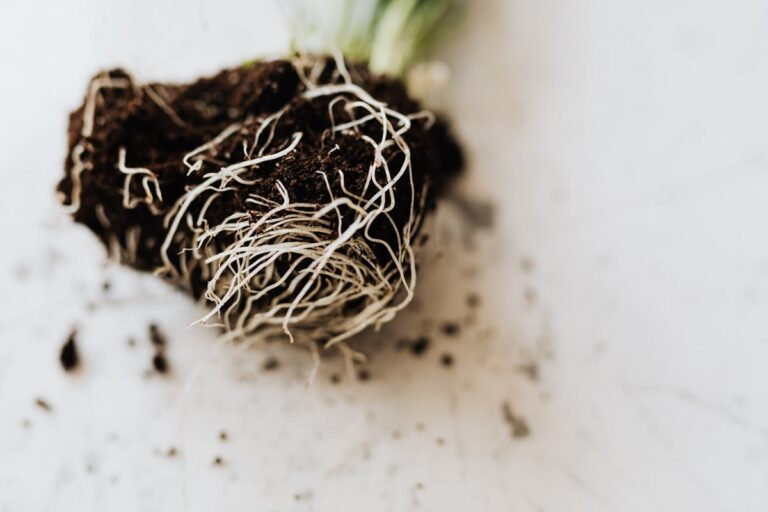
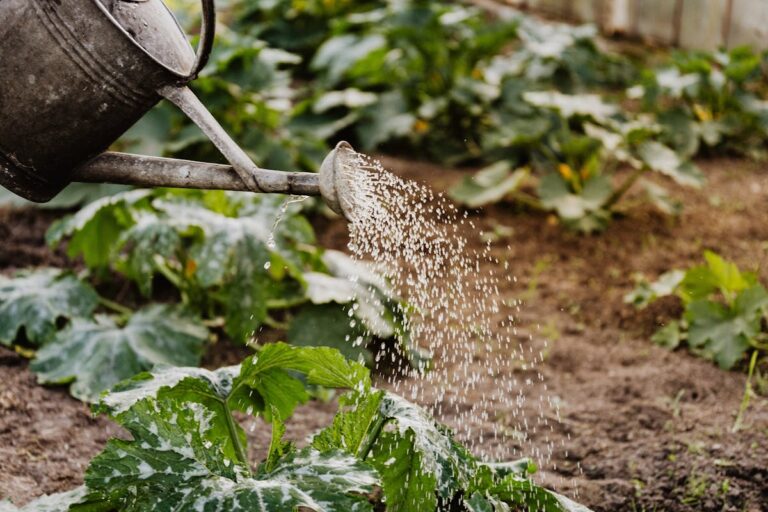
Watering is a critical aspect of vegetable gardening. Aim to water deeply and less frequently to encourage deep root growth. Most vegetables require about an inch of water per week, either from rainfall or irrigation. Early morning is the best time to water to minimize evaporation and fungal diseases. If you notice wilting leaves, it may be a sign of underwatering, while yellowing leaves could indicate overwatering.
Mulching for Success
Applying mulch around your plants can suppress weeds, retain moisture, and regulate soil temperature. Organic mulches like straw, grass clippings, or shredded leaves break down over time and enrich the soil. Aim for a 2-3 inch layer of mulch, but keep it a few inches away from the plant stems to prevent rot.
Pest and Disease Management
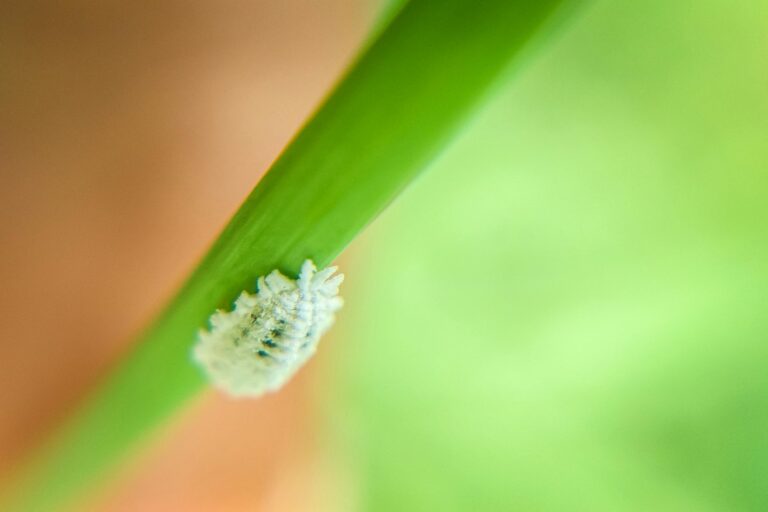
Pests and diseases can threaten your garden, but many can be managed through prevention and natural remedies. Regularly inspect your plants for signs of trouble, such as discolored leaves or unusual holes. Introduce beneficial insects like ladybugs and lacewings, which can help control pest populations.
If you encounter problems, consider organic treatments like neem oil or insecticidal soap. Always read and follow the instructions carefully to ensure safety.
Harvesting and Enjoying Your Bounty
The most rewarding part of vegetable gardening is harvesting your produce. Each vegetable has its own ideal harvesting time, so refer to seed packets or gardening resources for specifics. Harvest regularly to encourage further production and enjoy the fruits of your labor in fresh salads, stir-fries, and more.
Starting a backyard vegetable garden can be a fulfilling journey that enhances your home, nourishes your body, and supports the environment. With the right planning, patience, and a bit of care, you’ll be well on your way to enjoying fresh, homegrown vegetables straight from your garden. Happy gardening!